Share


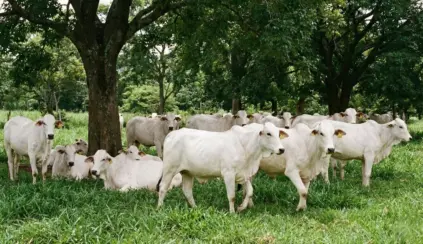
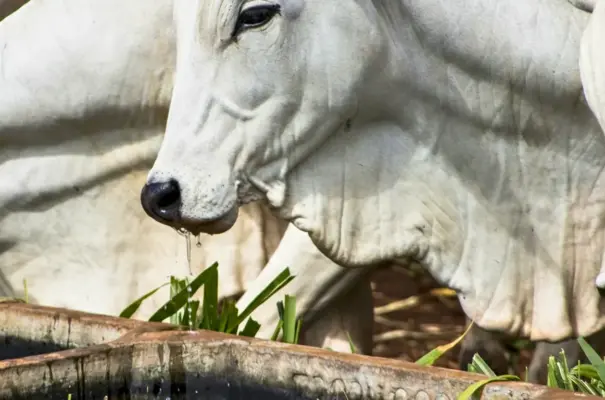
Water has always been a central input in beef cattle farming, but its management has taken on a new dimension in the face of climate change, increased pressure on natural resources and growing demands for productive efficiency. Beyond providing potable water to the herd — that is, ensuring thirst relief — water management now involves planning, monitoring and adopting practices that reduce consumption, protect natural sources and increase the predictability of the production system.
In this context, simple technologies combined with good management practices have made it possible to raise water-use efficiency without compromising productivity and, in many cases, delivering simultaneous economic and environmental gains.
Water as a productive asset in beef cattle farming
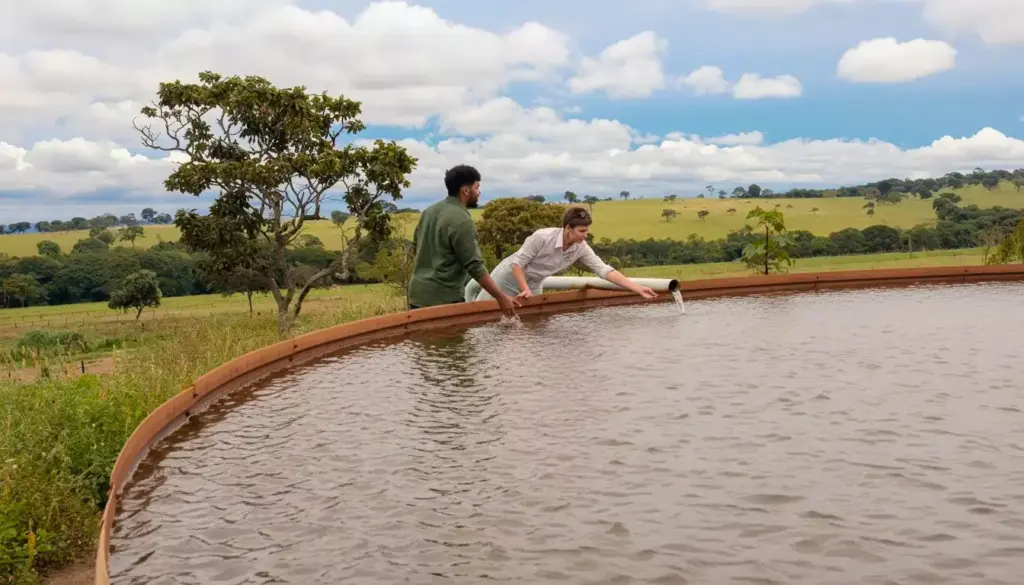
The availability of water in adequate quantity and quality directly influences indicators such as weight gain, herd health, animal welfare and pasture performance. Failures in water management can cause production losses, increase operational costs and expose the property to risk during drought periods.
The Confederation of Agriculture and Livestock of Brazil (CNA) emphasizes that the agricultural sector must take a leading role in the management of water resources, integrating production and conservation. According to the organization, the challenge is not only the volume of water available, but the way it is used, stored and protected over time.
Water footprint: understanding water use to manage it better
One of the most widely used conceptual tools to analyze water use in agricultural production is the water footprint, which differentiates the types of water involved in the production process. In beef cattle farming, it is composed mainly of:
- Green water, originating from rainfall and incorporated into pasture growth.
- Blue water, drawn from rivers, lakes or aquifers, used in drinking troughs, cleaning and, in some systems, irrigation.
- Grey water, associated with the volume needed to dilute potential pollutant loads.
According to a publication on the Pasto Extraordinário website, in Brazil the majority of the water footprint of beef cattle farming is linked to green water, reinforcing the role of pasture and soil management as a central strategy for water efficiency.
Pasture management as a tool for water conservation
Well-managed pastures directly contribute to a property’s water management. Maintaining adequate vegetative cover improves infiltration of rainwater into the soil, reduces surface runoff and decreases erosion and sedimentation processes.
In addition, soils with better structure and higher organic matter content retain moisture longer, increasing the resilience of productive areas in periods of reduced rainfall. Thus, correct pasture management supports both productive efficiency and the conservation of water resources.
Protection of springs and watercourses

Another fundamental practice in water management is the protection of springs and riparian areas, which are ecosystems located between terrestrial and aquatic environments and are considered Permanent Preservation Areas under the Forest Code (APP), as the Brazilian Association of Water Resources explains. Fencing off these areas, combined with the restoration of native vegetation, helps improve water quality, reduce sedimentation (the accumulation of sediments such as soil, sand, waste and rocks on the bottoms of rivers, lakes and seas), and stabilize flow throughout the year. This happens because the roots of riparian vegetation regulate water infiltration into the soil and recharge of the water table, providing more regular flows even in dry periods, as noted in the Brazilian Forest Code (Law 12.651/2012).
By restricting direct cattle access to watercourses, the producer reduces impacts such as constant trampling, soil compaction, erosion and destruction of riparian vegetation along the banks — risks that, according to current environmental legislation, can constitute irregular use of Permanent Preservation Areas and lead to fines starting at R$5,000 per hectare. In addition, unrestricted access allows contamination from animal waste and the transport of sediments into watercourses and prevents more efficient control of herd watering through strategically placed troughs.
Simple technologies that increase water-use efficiency
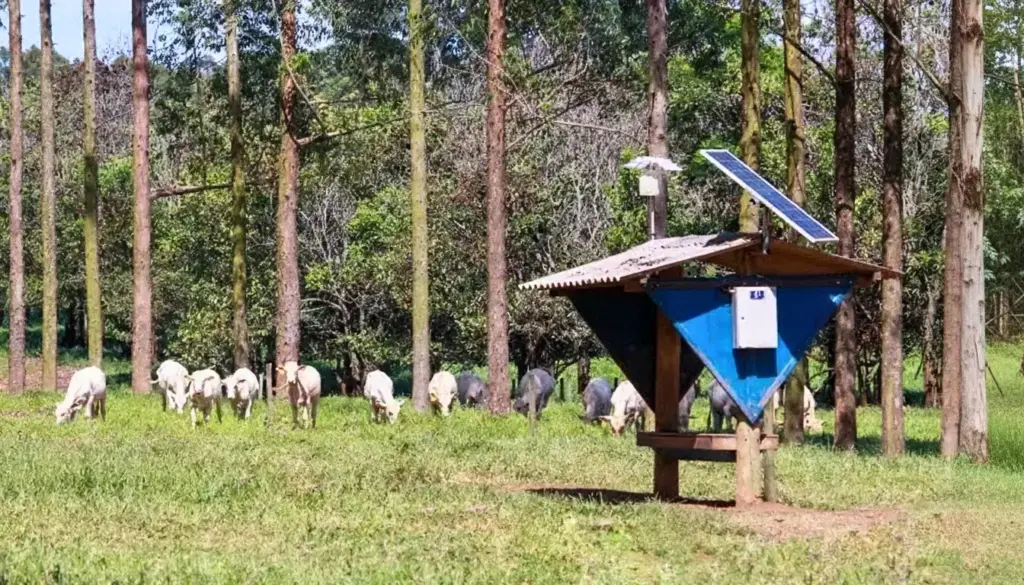
The adoption of technologies aimed at animal watering has been increasingly incorporated on beef cattle properties, according to research by Embrapa Pecuária Sudeste. Drinking troughs with automatic level control, reduced sun exposure and easy-to-clean materials help reduce losses from leaks and evaporation, while also improving the quality of the water offered.
Rainwater harvesting and storage systems, such as cisterns and reservoirs, are also recommended and documented by Embrapa Swine and Poultry and by Embrapa Pecuária Sudeste as a complement to natural sources, reducing pressure on rivers and springs, especially during droughts.
On farms adopting the Livestock 4.0 model, such as those studied by Embrapa Pecuária Sudeste, level sensors and automatic valves allow rapid identification of system failures, contributing to more rational water use and consumption planning throughout the production cycle.
Water management, sustainability and market access
Water management ceases to be only a legal and environmental obligation — such as the requirement for water-use permits provided for in Law No. 9.433/1997 and the duty to preserve Permanent Preservation Areas (APP) around springs and watercourses under the Forest Code (Law 12.651/2012) — and becomes part of the productive strategy of beef cattle farming, contributing to more resilient, efficient systems aligned with contemporary demands, while helping farms improve their standing for certification and traceability programs.
Read also: Less water in livestock: sustainability becomes the strategy of the future
Reference links:
- Cattle access to rivers: impacts and penalties
- Water use on livestock properties
- CNA Brazil – Agriculture must lead in the management of water resources
- Embrapa – Cisterns as an alternative during droughts
- Embrapa Pecuária Sudeste – Precision livestock farming and sustainability
- Smart farm: technology automates management and monitors cattle water
- Water use permitting
- Pasto Extraordinário – Water footprint in livestock
- Riparian zones and the Forest Code