The European carbon pricing mechanism does not yet include beef, but the regulatory framework of which it is a part—covering deforestation, traceability, and sanitary standards—is already reshaping market access conditions for Brazilian agribusiness.
From the family butcher shop to demonstrations across Brazil and around the world, this specialist has built a career dedicated to meat cuts, barbecue, and showcasing the value of meat.
From new regulations for production and transport to controls on imported food, China has been strengthening oversight across the entire supply chain to reduce risks and enhance the safety of the food reaching the public's tables.
The EUDR aims to ensure that products sold in the European Union are not associated with deforestation. Starting in December 2026, large and medium-sized companies will be responsible for complying with the new requirements.
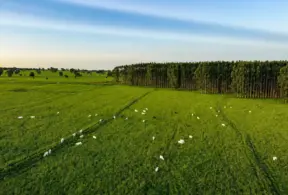
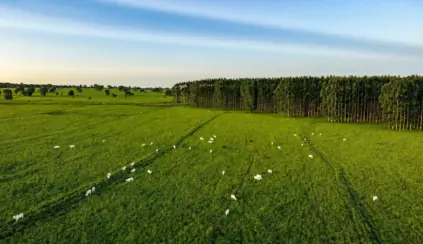
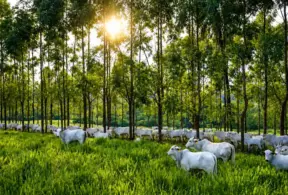
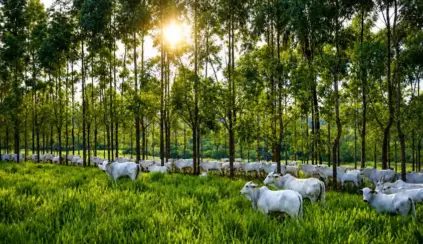
Nature itself can play a role in maintaining environmental balance. Discover regenerative cattle farming and how it can help make farms more productive and profitable.
Learn how environmental monitoring and traceability work and why they are important in livestock farming.
Driven by sustainability concerns, 74% of Europeans consider animal welfare when making purchasing decisions, while 65% are concerned about ultra-processed foods, increasing demand for cleaner, more ethical products that reflect their values.
Regenerative beef: nourishing our bodies, our soil, and our future.
While the supply chain operates on tight margins, Brazil sells beef to China at prices roughly 40% lower than those of the United States. In this interview, Thiago Bernardino explains how quality standards, animal health, trust, and reputation help explain this gap.