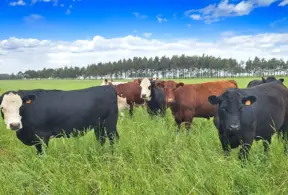
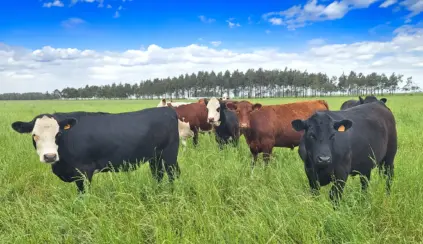
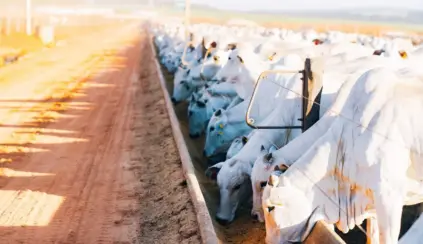
A survey involving 2,777 animals showed that, when combined with a nutritional welfare protocol, the product increased carcass weight by 7.26 kg per animal over 110 days in the feedlot.
European and Chinese safeguards impose additional challenges on the Brazilian market, but not in an irreversible way. Some moves can still be made to place the country in a more favorable position.
Regenerative livestock farming, precision nutrition, and other internationally accepted practices are among the strategies for improving efficiency and productivity.
A simple measure that reduces cattle exposure to heat stress by up to 85%, lowers water consumption needs, and allows energy to be directed toward weight gain.
With market opening and the donation of seeds to the Caribbean country, Brazil strengthens its commercial presence and shares its longstanding expertise in food security.
Fine-tuning animal diets can support weight gain, reduce input waste, and lower greenhouse gas emissions.
Productivity, sustainability, and innovation form the model that enables the country to compete in premium global markets.
Safeguards set out in the European text may limit expected gains and put pressure on beef exports in the early years of its implementation.
Climate, territory, and genetics explain how the diversity of breeds has shaped Brazilian cattle ranching and supports the competitiveness of the meat produced in the country.
A PhD in behavioral economics, researcher on meat consumption, and host of podcasts about agribusiness, Lívia connects nutrition, sustainability, and consumer behavior.
Studies indicate that Indonesians’ purchasing power is increasing; as a result, the consumption of imported protein is expected to grow significantly in the coming years. Brazil is already prepared to meet this demand.
An agronomist, fourth-generation cattle rancher, and president of the National Commission of Women in Agribusiness at CNA, Stéphanie works to strengthen the presence of women in management, technical roles, and decision-making spaces within the sector.