Share


The Indonesian market has entered the radar of Brazilian beef exports. With a population of about 283 million people, the Asian country is the fourth most populous in the world and has been expanding the approval of foreign slaughterhouses as part of a food security and supplier diversification strategy, as reported by a CNN article. In January 2026, 14 new Brazilian plants were approved to export beef, raising the total to 52, according to the article. Among them are Minerva Foods plants located in Rio Grande do Sul (in Bagé and Alegrete), in Mato Grosso (Pontes e Lacerda) and in São Paulo (Barretos), which will serve a market whose demand for imported protein tends to grow structurally in the coming years, in a scenario whose beef self-sufficiency is around 70%. Thus, the Indonesian government aims to meet its domestic demand, while Brazil sees the move as an opportunity to diversify markets.
Demand in Indonesia: growth potential
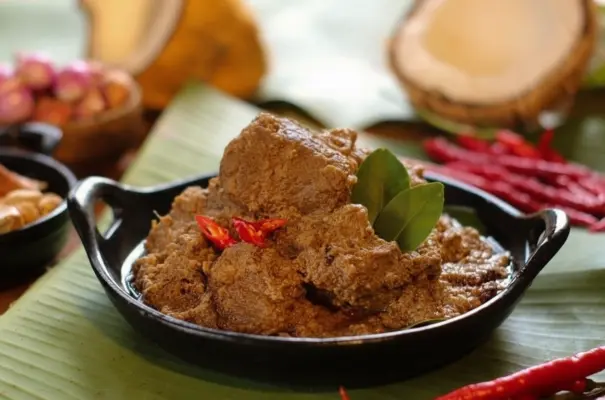
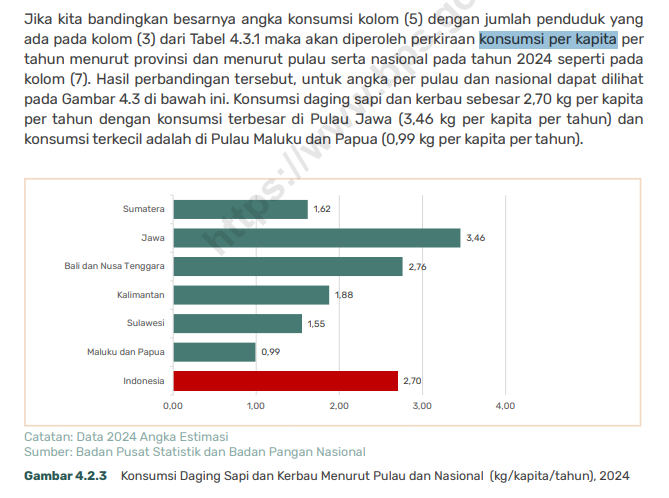
Although traditional dishes such as rendang (beef stew), bakso (meatballs) and various stews are part of the country’s food culture, the annual average consumption of beef is among the lowest in Asia. Each Indonesian consumes, on average, 2.7 kg of beef and buffalo meat per year, according to this survey by the Indonesian government agency responsible for collecting and publishing official statistics. Although the document does not provide official figures for beef consumption alone, the average is similar to the GMI Research study, which reports about 2 kg/year per person.
According to the same study, the Indonesian market is expected to record an average annual growth of 5.3% in beef consumption through 2032. This means the current market size of US$17.5 billion would grow to US$26.5 billion over the period.
An even more optimistic projection from a study published by 6W Research indicates that the imported protein market could achieve an average growth of 12.85% in 2027—more than double the previous study’s annual average. The rate is higher than projections for major global markets such as China (9.92%) and India (5.52%).
According to a survey by MLA (Meat & Livestock Australia), the number of Indonesian households with incomes sufficient to consume imported beef regularly is expected to grow by about 6% per year, especially in Jakarta and other major cities. This rise of the middle class helps explain the projected expansion in local consumption and reinforces the need for suppliers capable of serving a rapidly transforming market. According to GMI, the combination of wage increases, government support initiatives and free meal programs, together with the expansion of e-commerce, is helping to shape this scenario.
Regularity is decisive
For Brazilian exports to take place within the country, there are some key requirements such as sanitary safety, traceability and standardization, making consumption safer. In this context, Indonesia’s focus aligns well with the profile of Brazilian production, especially for forequarter cuts, bone-in beef and offal.
Taking advantage of this demand requires more from Brazil than competitive prices. Logistics capacity, consistency and sanitary compliance are strategic pillars that must be addressed domestically, as shown by the positive outcome of a Japanese delegation’s visit to the country. On the other hand, the trend points to a consistent movement, as it forms part of a long-term food security strategy for the archipelago nation.
Sources:
- Certified origin beef: guarantee of safety, quality and sustainability from farm to consumer
- Indonesia authorizes 14 Brazilian slaughterhouses to export beef
- Indonesia Beef Market (2025-2031) Outlook | Forecast, Size, Companies, Value, Industry
- Japan enters the radar of Brazilian beef
- The pilot beef traceability project created by Brazil and China
- Revenue, Growth, Analysis, Share & Trends
- Indonesia Meat Market and Analysis Report – Opportunities and Forecast 2025-2032
- Livestock in Figures 2024
- MARKET SNAPSHOT | BEEF & SHEEPMEAT
- Supply and Demand of Beef in Indonesia: A System Dynamics Approach