Share


Browse the content:
- Ferro, one of the most important minerals for the human body
- Not all iron is the same
- What is heme iron and where can you find it?
- And non-heme iron?
- Coffee, wine, tea and other enemies of iron absorption
- Vitamin C and other strategic allies of iron absorption
- The difference between heme iron and non-heme iron matters (a lot!) for your health
Iron, one of the most important minerals for the human body
Iron is a central component of hemoglobin, the protein found in red blood cells, which are responsible for carrying oxygen from the lungs to all the tissues in the human body. Its role in the body, however, goes beyond that. The mineral also takes part in energy production, immune system function and the synthesis of substances that are important for the brain. For this reason, iron deficiency can show up through symptoms such as fatigue, difficulty concentrating, hair loss, brittle nails and a greater susceptibility to infections, even before anemia appears.
However, simply eating foods rich in this mineral is not necessarily enough for the body to use it efficiently. This technical manual prepared by Larry Johnson, PhD, of the University of Arkansas, identifies iron deficiency as one of the most common mineral deficiencies in the world. This deficiency is usually linked to inadequate management, especially in lactating women, teenage girls and pregnant women, poor absorption due to conditions such as celiac disease (an autoimmune condition triggered by gluten intake) and chronic bleeding, including heavy menstruation and gastrointestinal disorders.
Not all iron is the same
However, to understand the real nutritional contribution and the fight against iron-deficiency anemia (due to a lack of iron), it is necessary to consider that iron’s effectiveness depends not only on the amount consumed, but also on the form in which it appears in foods: quality and bioavailability are essential. This is where the main difference between heme iron and non-heme iron lies.
Bioavailability is the ability of a nutrient to be absorbed, reach the bloodstream and perform its functions in the body. While the human body has specific mechanisms to capture heme iron, non-heme iron is a more sensitive kind of “guest,” whose chances of absorption depend strictly on the chemical environment created in the digestive system at mealtime — in other words, on which other foods are being eaten together.
What is heme iron and where can you find it?
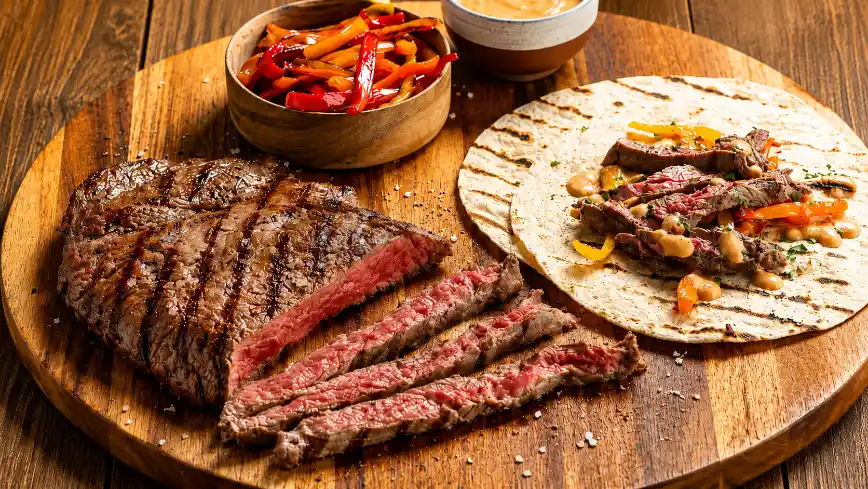
Heme iron is found in hemoglobin and myoglobin, proteins responsible for the transport and storage of oxygen in the blood and muscles, respectively. For this reason, it is present almost exclusively in animal-based foods, with red meat, poultry, fish and organ meats as the main sources. In addition to heme iron, these foods also contain some non-heme iron (which is more common in plant-based foods).
Its high bioavailability is one of its main advantages. Unlike non-heme iron, heme iron is absorbed by the intestinal lining much more efficiently, with little or no influence from other components of the diet. The estimate in the study “Iron metabolism and laboratory evaluation,” published by Ciência News, is that about 10% to 30% of ingested heme iron is absorbed.
From a biochemical standpoint, this efficiency occurs because the molecular structure of heme iron is more stable and its route into intestinal cells (enterocytes) is optimized. It does not need to undergo complex chemical reductions in the stomach to be absorbed; it enters the mucosa almost intact, which ensures that a much larger share of the nutrient actually reaches the bloodstream, resulting in better use.
And non-heme iron?
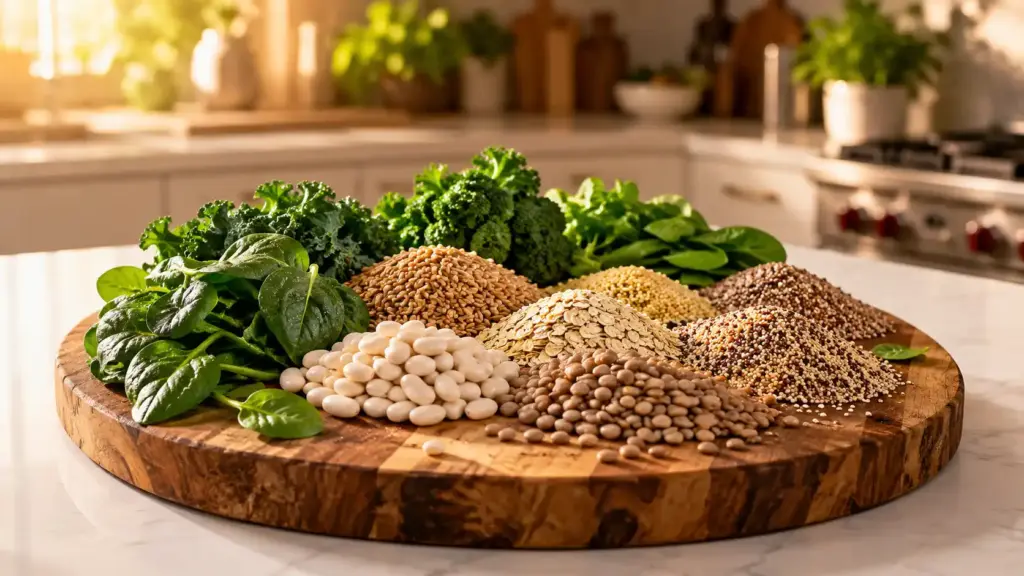
Non-heme iron is commonly found in plant sources, such as legumes (white beans and lentils, for example), dark green leafy vegetables (such as spinach), grains and cereals, which are among the most established sources in the global diet, according to National Institutes of Health (NIH) data.
Unlike heme iron, the body’s absorption of non-heme iron is considerably lower, ranging from 2% to 20%. This is because non-heme iron is highly sensitive to gastric pH and to the presence of other substances that can “sequester” the mineral in the digestive tract, forming insoluble complexes that the body cannot process. For it to be absorbed by the body, it needs the help of a transport protein. In other words, chemical or dietary factors can influence the mineral’s absorption process.
Coffee, wine, tea and other enemies of iron absorption
As we have seen, dietary components can affect the body’s absorption of iron. These are the so-called “inhibitory foods.” Among the biggest “enemies” of iron absorption are:
- Phytates: common in legumes and whole grains, these substances bind to iron, reducing its absorption by the body. To minimize this effect, soak beans, lentils and other legumes before cooking. The recommended method is soaking for 12 to 24 hours, changing and discarding the water, to “wash out” and break down the phytates.
- Polyphenols and tannins: found in teas (such as green, black and mate), coffee, cocoa and some red wines, these are well-known inhibitors that bind to iron in the digestive tract, forming insoluble complexes that make absorption more difficult. According to this National Institutes of Health (NIH) study, drinking coffee with or immediately after a meal reduces iron absorption by 40% to 90%, depending on the type of coffee. For this reason, it is best to leave the coffee or glass of wine (and other drinks) for one or two hours before or after eating.
- Calcium: although it is essential for bone health, consuming calcium-rich foods at the same time as meals with important sources of iron can reduce the absorption of the latter. In cases of greater iron needs, it may be worth having milk and dairy products at other times of day, especially when the meal is aimed at increasing mineral intake.
Although heme iron is not 100% immune to these inhibitors, they affect non-heme iron much more aggressively. That is because animal-based iron is protected inside a structure called the porphyrin ring. This “armor” protects it from the external environment in the digestive tract, causing it to suffer little or almost no interference from most dietary inhibitors.
Vitamin C and other strategic allies of iron absorption
On the other hand, the body has strategic “allies.” The most notable of these is vitamin C (ascorbic acid). When consumed in the same meal as non-heme iron sources, it acts chemically, keeping the iron in a soluble state that makes it easier for it to enter cells. It is no coincidence that the classic advice to “have beans with an orange” has solid scientific — not just sensory — backing.
Other facilitators include organic acids (found in fruits) and animal protein itself, which, when eaten with vegetables, also boosts the uptake of plant-based iron.
The difference between heme iron and non-heme iron matters (a lot!) for your health
In short, understanding how our body absorbs the different types of iron and, above all, knowing the inhibitors and facilitators of that absorption, is a major asset in preventing hidden nutritional deficiencies, such as iron-deficiency anemia. Using this knowledge about food chemical interactions makes it possible to build a truly balanced diet, ensuring that your body gets the most out of each nutrient.
Understanding that animal protein provides highly absorbable iron (heme iron) helps prevent nutritional gaps at times of greater physical and mental demand. More than that, the combination of vegetables and animal protein creates an extremely desirable symbiosis: meat not only nourishes, but also acts as a major facilitator, boosting the absorption of non-heme iron from the vegetables eaten in the same meal. In the end, with the right combination, a colorful and varied plate remains your best ally!
- Iron deficiency – ByLarry E. Johnson, MD, PhD, University of Arkansas for Medical Sciences Reviewed ByGlenn D. Braunstein, MD, Cedars-Sinai Medical Center
- Iron Fact Sheet for Health Professionals – NIH Office of Dietary Supplements
- Iron nutrition and absorption: dietary factors which impact iron bioavailability
- Iron metabolism and laboratory evaluation (Ciência News)
- Iron-deficiency anemia (Rio City Hall)