From family succession to institutional leadership, from science to evidence-based communication, women are expanding their strategic presence in cattle ranching and helping to build a more sustainable, technical, and representative agribusiness sector.
Happy animals, satisfied consumers: the new generation of meat is marked by changes in species management, while red meat continues to play a leading role. In Brazil, Argentina, and Chile, more than 75% of the population say they have no intention of reducing meat consumption, according to Kantar.
Before reaching the table, meat goes through a rigorous process in which physical, chemical, and microbiological factors are controlled, but proper storage and preservation practices must continue at home.
How digital solutions are being tested and implemented to enhance traceability of meat origin, strengthening food safety and consumer trust.
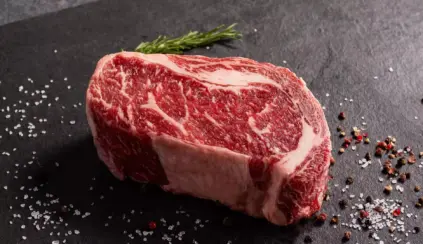
More than an aesthetic attribute, marbling is a quality indicator that transforms the dining experience.
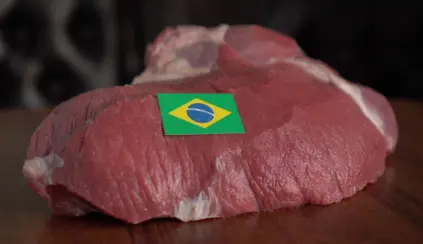
With record export levels and new trade tensions, Brazil is expanding its presence in the global beef market and reshaping its strategy to diversify destinations and add value.
Decree No. 12,189 imposes much stricter penalties than the previous one; property owners who fail to take the necessary measures may face fines of up to BRL 50 million, with the possibility of penalties being doubled in more severe cases.
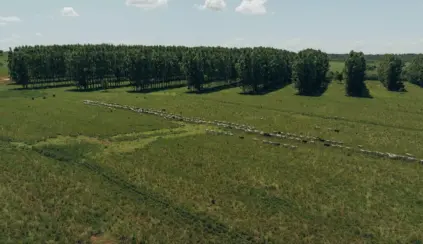
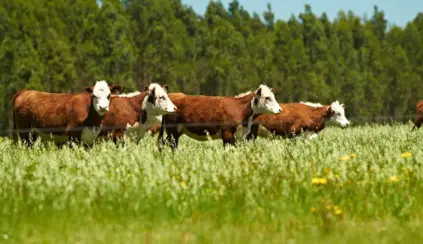
Long-term studies indicate that, in addition to enhancing the quality of the nutrients found in beef cuts, pasture-raised cattle also contributes to environmental conservation and creates market value, particularly in the premium cuts segment.
At a panel held during COP30 in Belém, Pará, experts explained how agribusiness should adopt new technologies to optimize results while ensuring the necessary care for local ecosystems.
One of the most stringent markets for beef, Japan is now considering Brazil as a potential supplier. Beyond the commercial potential, the move strengthens the positioning of Brazilian beef in the international market.
Estimates indicate that the global grass-fed beef market is expected to grow substantially between 2025 and 2035. Sustainability, animal welfare, and healthfulness are directly linked to this trend.
The National Plan for Individual Identification of Cattle and Buffaloes (PNIB) aims to ensure compliance with international requirements for mitigating environmental impacts and ensuring food safety.