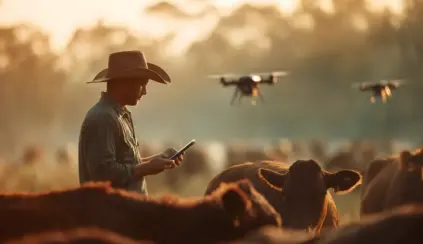
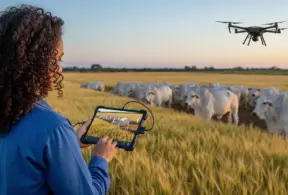
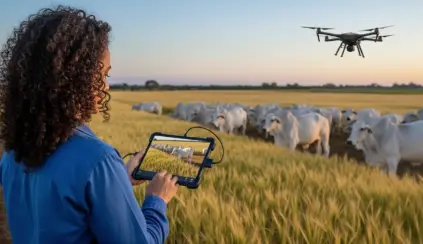
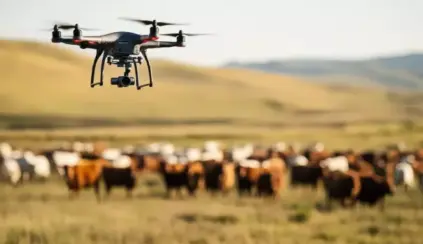
Organizations support the training and adoption of drones in livestock farming, helping optimize production and sustainability, but costs can be a barrier for small producers.
About 25% of all agricultural exports worldwide come from Brazil; blockchain technology promises to further boost business.
With innovation and technical leadership, Brazilian livestock production has the potential to meet the growing global demand for protein.
Tools such as big data, agricultural fintechs, and new credit instruments reduce risks, expand access to financing, and make food production more sustainable.
Modern cattle farming practices have resulted in economic improvement for 96% of local producers and greater food security for 95% of them.
From farm to plate, beef quality is born from genetic manipulation, animal welfare, responsible management, sanitary control, and processes that preserve tenderness, flavor, and safety.
Tool creates financial opportunities for those who adopt regenerative practices and reduce emissions in the field
Producers representing 70% of rural properties face technical and financial barriers in meeting the new sustainability requirements of the global market.
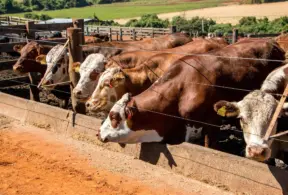
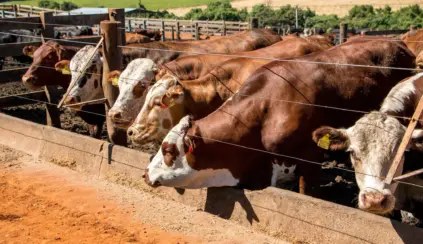
From the rumen to integrated pastures, Brazilian livestock farming converts non-edible resources into nutrient-dense protein, with gains in efficiency and sustainability.
More than a food supplier, the rural producer is a protagonist in the transition to sustainable livestock farming—leading practices that unite innovation, management, and environmental commitment in the countryside.
The country has the chance to show at the climate conference that science, technology, and low-carbon practices already make agriculture part of the climate solution.
The only meat with Geographical Indication of Origin on the American continent, Rio Grande do Sul expands its prominence with international recognition and advances in sustainability.