Share


When it comes to barbecue, the first image is usually meat sizzling over the coals. But the final result depends as much on the choice of cut and doneness as on the equipment used in preparation. Just as techniques and traditions vary between cultures — from gaucho barbecue to the Argentine parrilla — accessories also change in shape, function and material, directly influencing flavor, texture and even the safety of the preparation.
Cutting board, the starting point
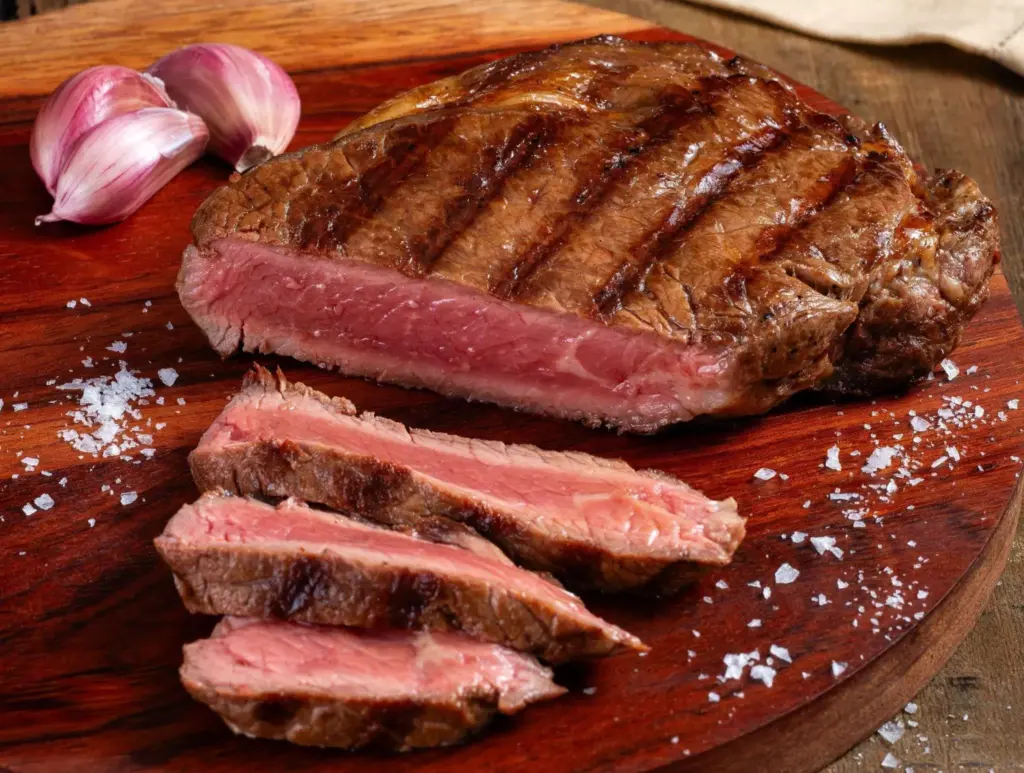
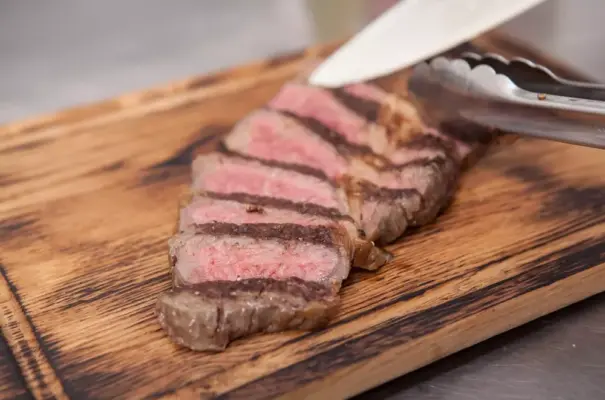
The starting point is the cutting board, which needs to be sturdy and stable. It is the first “equipment” even before lighting the fire. Solid wood boards are preferred by professionals because they absorb some moisture, cool the meat less and help preserve knife edges. Furthermore, this material reduces the likelihood of contamination, according to a study in the Journal of Food Protection, which found fewer bacteria recovered from wood than from other materials. Plastic boards, on the other hand, are more practical for sanitation and recommended for mixed use, especially in commercial settings. However, research indicates that wear caused by knives can release microplastics—microparticles that may adhere to food—so it’s important to replace boards that are heavily scored or deeply worn.
The ideal is to choose a robust, stable board to prevent it sliding while cutting the meat. If the support surface is uneven or slippery, a simple solution is to place a damp dish towel under the board, as István Wessel, a meat specialist, explains.
Special cutlery
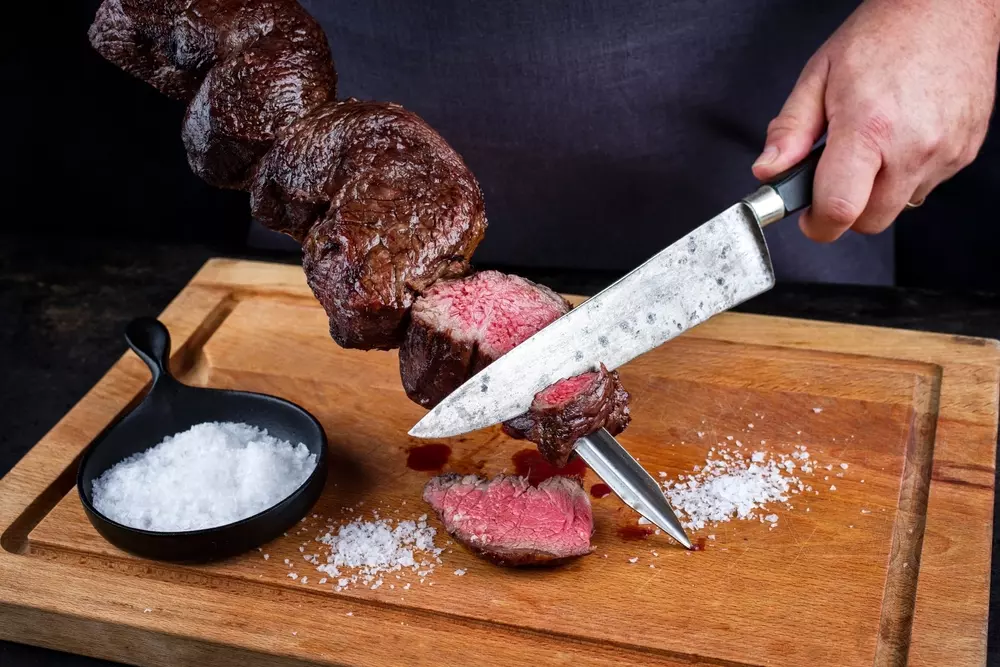
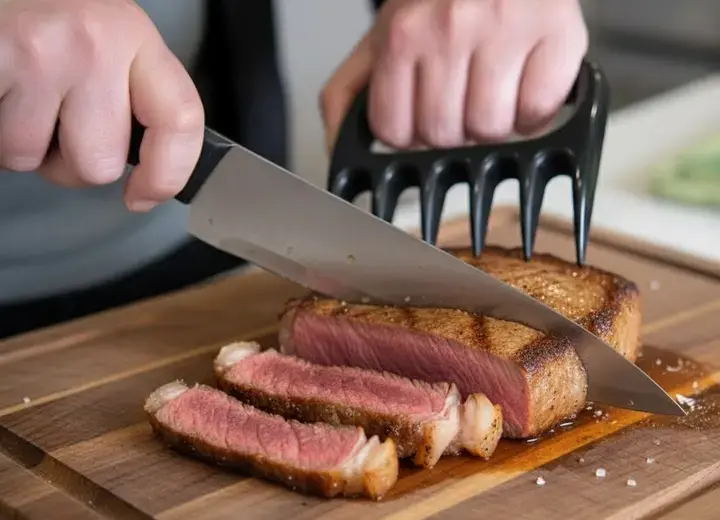
Next come the knives: long, sharp and with a good grip, they should allow clean cuts without tearing the meat’s fibers. Two- or three-pronged forks are used to steady large pieces while slicing and prevent them from turning. Heat-resistant tongs are indispensable when the goal is to handle meat without piercing it excessively, avoiding loss of internal juices. A long-handled grabber also helps keep distance from the fire and prevent burns. Skewers can be flat or cylindrical and are used for rotisserie or smaller kebabs.
Grills and the impact of material on flavor
The shape and material of the grill also affect the outcome. Stainless steel grates are light, durable and easy to clean, while cast iron retains more heat, creates more defined sear marks and provides a slightly smoky flavor. Those who prefer skewers will find options in metal, wood or bamboo. Metal skewers are the most durable and favored for rodizio-style barbecues, as they support large pieces without deforming.
The parrilla is a traditional type of grill used especially in Argentina and Uruguay that allows control over the distance between the fire and the meat, ensuring even cooking and the characteristic smoky flavor. As chef parrillero Léo Salomão, in an interview with UOL, explains, there has been increased interest among Brazilians in the parrilla, linked to the method’s practicality and the quality of Uruguayan and Argentine meats that popularized the style. He points out that the parrilla’s angled, adjustable grate prevents fat from dripping directly onto the coals, reducing excessive flames and keeping the meat juicier. In addition, direct contact with the heated iron speeds up cooking and makes it easier to reach the ideal doneness, making the process more practical.
Technique takes center stage
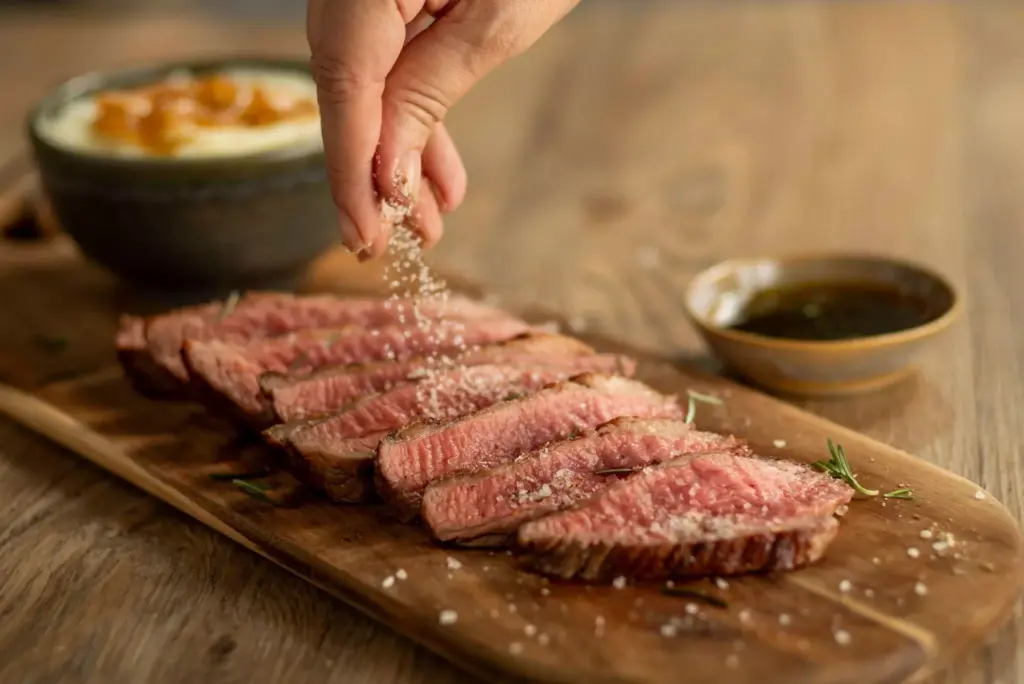
For those who value technique, accessories like instant-read thermometers help hit the meat’s doneness precisely, while silicone brushes ensure sauces, butters or marinades are applied without burning bristles, which can happen with natural-hair brushes. Other utensils, such as wide spatulas (ideal for burgers or more delicate cuts), raised grills (which allow indirect cooking) and organizers round out the kit.
Putting together a complete ritual
To prepare the “perfect barbecue” it is important to combine technique, good ingredients and the right tools. It is worth highlighting some choices that often go unnoticed but can change the result.
First, the fuel influences directly and indirectly: charcoal, wood and gas create distinct heat profiles, and each interacts differently with utensils. When buying charcoal, for example, prefer larger bags, as small packages tend to concentrate fragmented pieces that burn too quickly and make it harder to control the embers. It is also important to avoid products with wet or torn packaging, as this can indicate poor storage and compromise burn quality.
Second, care with cleaning and maintenance of equipment is important. Wooden boards should be thoroughly dried after each use and ideally treated with mineral oil to prevent cracking or bacterial growth. Plastic boards should be replaced when they show deep cuts or wear because grooves accumulate microorganisms. Metal skewers and grates require scraping off carbonized residues, washing with hot water and, in the case of cast iron, drying and a light coat of oil after use to prevent rust.
Third, ergonomics and safety must be taken into account. Non-slip handles, appropriate heat-resistant gloves, covers for hot grates and long tongs help prevent accidents, especially when handling large volumes of meat or operating on elevated or high grills.
Finally, aesthetics and functionality go hand in hand: boards with grooves help prevent juices from spreading across the countertop; skewers with a triangular profile prevent the piece from rotating, ensuring even grilling; grates with adjustable height controls enable indirect or direct cooking on the same equipment. This way, the griller has not only more control but also versatility to switch from thick to thin cuts, from direct to indirect heat, from rustic outdoor preparation to gourmet settings, with the guarantee of the best meat!
Sources:
Cutting Boards of Plastic and Wood Contaminated Experimentally with Bacteria – PubMed
Cutting Boards: An Overlooked Source of Microplastics in Human Food?
I Tested 11 Grill Presses—5 Made Perfect, Crispy-Edged Smash Burgers?
Os 8 erros no preparo do churrasco que podem causar intoxicação alimentar (e dicas para assar a carne perfeita)
Guia de utensílios para usar no churrasco, segundo especialista
Como dominar as carnes na brasa como um parrillero
Como fazer churrasco: os maiores especialistas do Brasil dão as dicas
Qual é o melhor carbão vegetal? – Estadão
A diferença que uma boa faca faz aos chefs e cozinheiros. E elas estão cada vez melhores
Carne na brasa: veja 5 técnicas infalíveis de churrasco – Estadão
Entenda o que representa o Dia do Gaúcho e quais são os utensílios para comemorar a data | GZH
As 10 principais dúvidas sobre churrasco respondidas por especialista | Exame
Dia dos Pais: 5 utensílios de churrasco para dar de presente – Estadão