Technologies to reduce emissions and increase productivity are already available, but a lack of access to credit is an obstacle.
Growing protein consumption underscores the country’s potential to turn grains, pastures and other resources into higher-value foods.
With Law No. 15.526/2026 now in effect, Pedro Loyola, from FGV Agro, explains why the scope of protection has shrunk, what is changing, and what still awaits further regulation. Also, learn how rural insurance works.
With a projected GDP of R$ 1.25 trillion in 2026, the livestock sector extends beyond food production. Through the logic of circularity, its co-products find their way into medicines, cosmetics, clothing, furniture, fertilizers, and energy.
Data from monitored properties show how management, pasture recovery, and efficiency can reduce emission intensity and increase performance.
Even major players in the livestock industry understand the importance of small producers to business health and take direct action to support them. Cooperatives enable mutual growth and greater financial stability.
With the cattle herd at its lowest level since 1952 and the spread of New World screwworm at the border, the U.S. faces a supply gap expected to be filled by Brazilian beef exports.
Monitoring 100% of direct suppliers across five countries is not merely a sustainability goal—it is a territorial intelligence operation that combines satellites, public databases, independent audits, and proprietary technology.
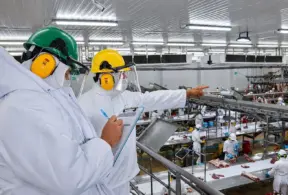
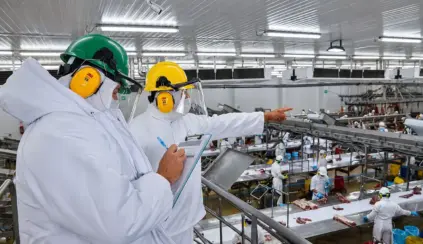
Learn what the Federal Inspection Service (SIF) is, how animal-origin products are inspected, and why this seal is essential for ensuring the safety of food sold in Brazil and exported to other countries.