Share


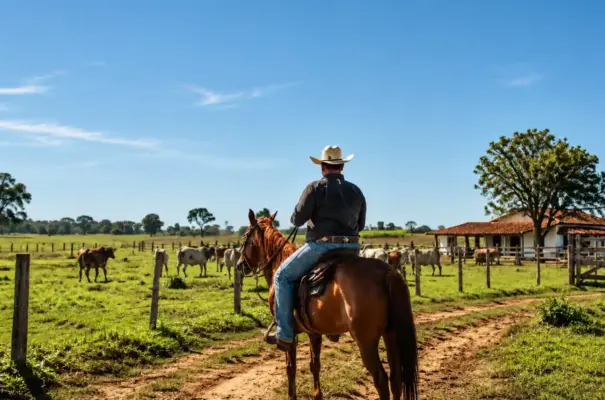
Large farms, high mechanization and large-scale operations often dominate the image that comes to mind when discussing beef exports. But Brazil’s presence in global meat supply chains also depends on a more diverse productive base, made up of small and medium-sized cattle producers, who account for 70% of rural properties. The obstacle preventing this group from accessing the global market lies not only in the size of the property or herd, but also in their ability to prove compliance, maintain production consistency, access credit, invest in improvements and respond to requirements that are becoming increasingly complex. It is at this point that the modernization agenda ceases to be merely technological and also becomes an agenda for productive inclusion.
Embrapa notes that family farmers and medium-sized producers are highly relevant actors in Brazil’s agricultural landscape and that public policies aimed at rural areas need to be reviewed in light of new dynamics involving income, territory and production chains. The same study highlights that connectivity, technical assistance and rural extension can expand economic and social opportunities. This diagnosis helps explain why the inclusion of smaller-scale producers in more sophisticated supply chains depends on a combination of collective organization, public policies and private mechanisms for market integration.
Stronger together: the power of integrated action to access global supply chains
In cattle farming, this integration can take place through different channels. Cooperatives help organize producers and create collective scale. Public programs reduce entry barriers by supporting credit, technical assistance, rural insurance, connectivity, environmental compliance and traceability. Business programs, meanwhile, bring farms closer to the protocols required by buyers, international customers and more highly regulated markets.
Cooperativism
On their own, small and medium-sized producers may struggle to ensure scale, predictability and access to more demanding markets. Cooperatives—voluntary associations in which all members own the business and work together toward common goals—help offset limitations typical of smaller-scale production by organizing demand, spreading costs and expanding members’ bargaining power. Four roles help transform individual vulnerability into collective competitiveness:
- Economies of scale and purchasing power: members can collectively purchase thousands of vaccine doses, tons of mineral supplements and pasture seed, increasing the group’s bargaining power;
- Democratizing access to technical assistance: technical teams are structured to visit farms, advising producers on issues such as pasture management, genetic improvement and health protocols;
- Vertical integration and added value: some cooperatives own their own slaughterhouses and dairies. At the end of the year, if the cooperative has made a profit—technically referred to as “surplus”—that amount is distributed among members in proportion to the business they conducted.
- Risk management and easier access to credit: many cooperatives operate alongside credit cooperatives such as Sicoob and Sicredi, facilitating loans for pasture renovation or the purchase of breeding animals on potentially more competitive terms than those available to producers acting alone in the financial market. In addition, by providing technical assistance, productive organization and greater economic predictability, cooperatives help mitigate risks associated with credit, production and producers’ exposure to climate events or market fluctuations.
According to the OCB System, while only 20% of rural producers in the country receive technical assistance, that figure exceeds 60% among cooperative members. The information reinforces that, although cooperatives are not public programs, they can act as intermediaries between available policies and producers’ actual ability to access them. They help organize demand, guide investments, expand access to financing and mitigate risks that, in isolation, could make the activity more vulnerable.
Public programs
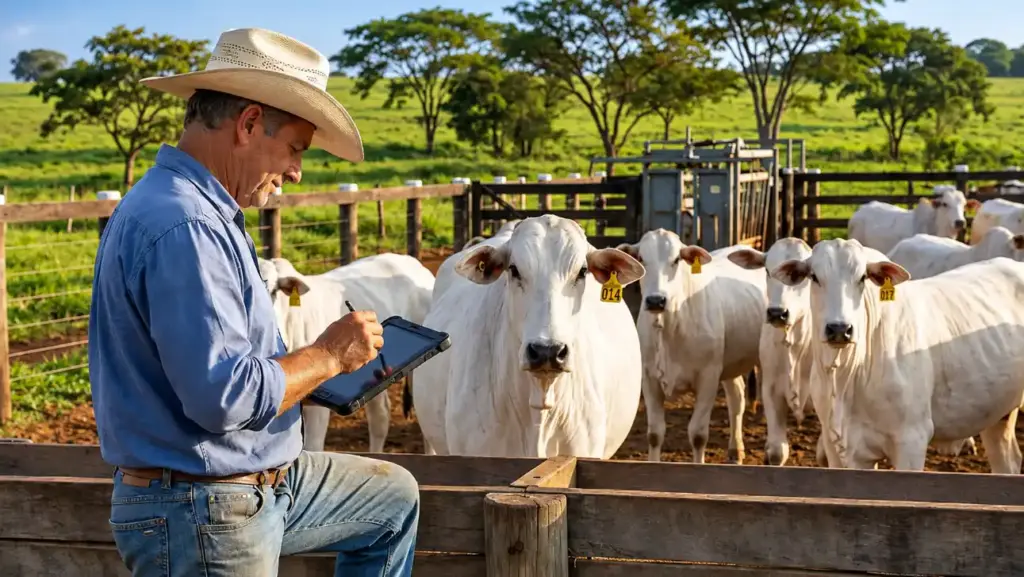
In addition to collective organization, the inclusion of small and medium-sized producers in more sophisticated supply chains depends on public policies capable of reducing entry barriers. Rural credit, technical assistance, connectivity, environmental compliance, rural insurance and traceability systems function as access infrastructure: without these tools, many producers are able to produce but struggle to prove that they meet standards, finance improvements, reduce production risks and comply with the requirements of domestic and international buyers.
Examples include financing lines aimed at strengthening production, such as Pronaf, which includes options for investment in productive infrastructure and increased productivity, and credit programs for sustainable agricultural systems, such as RenovAgro, which covers measures such as the recovery of degraded pastures and the environmental adaptation of properties. In cattle farming, this type of support can make possible everything from improving animal nutrition to renovating productive areas, implementing low-carbon practices and completing the compliance procedures required to access more demanding markets.
Another strategic area is traceability. The National Plan for the Individual Identification of Cattle and Buffalo (PNIB), launched by the Ministry of Agriculture and Livestock, seeks to strengthen traceability in Brazil’s meat and dairy supply chains by gradually replacing the batch-based model with a system for individually identifying animals. For smaller cattle producers, implementing this type of mechanism is likely to increase their ability to prove origin, health status and production compliance—attributes that are increasingly important for those seeking to participate in global supply chains.
In this sense, public programs do not replace the role of producers or the market, but create conditions that make the entry gate less unequal. When they combine credit, technical assistance, rural insurance, compliance and traceability, they help turn international requirements into operational goals that are achievable within the reality of smaller properties.
Business programs
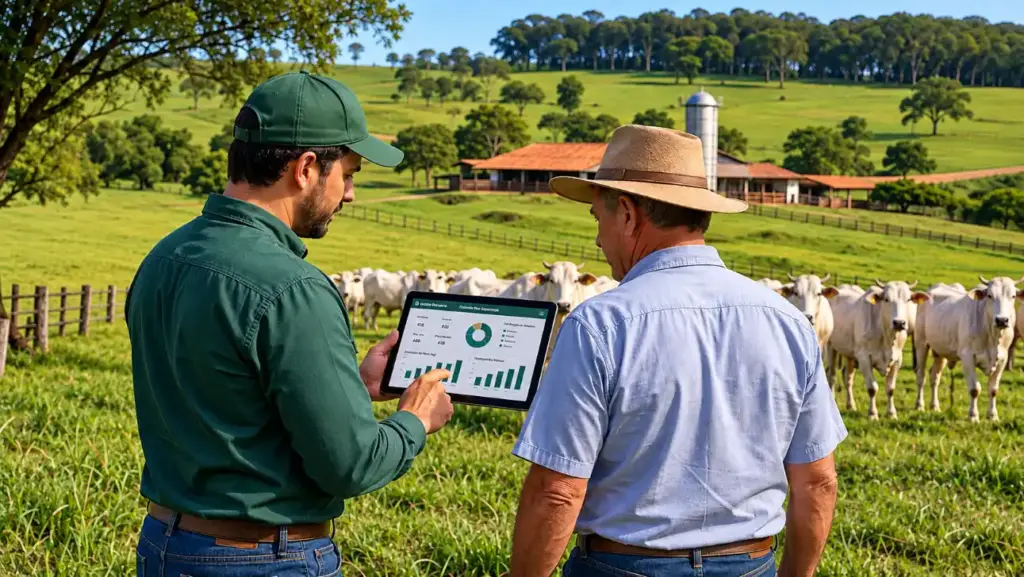
Programs led by purchasing companies form a third path for integrating small and medium-sized producers into global meat supply chains. Under this model, slaughterhouses, trading companies and food companies establish purchasing protocols, socio-environmental criteria and traceability requirements and, in some cases, provide technical support so that producers can meet the standards demanded by international markets.
For smaller producers, the importance of these programs lies less in immediate access to exports and more in the opportunity to understand, measure and prove attributes that have become increasingly significant in global supply chains, such as origin, carbon emissions and sequestration, and socio-environmental compliance.
One example is Minerva Foods’ Renove Program, launched in 2021 to work collaboratively with rural producers on emissions-reduction and sustainability initiatives on their properties. The program seeks to promote regenerative agricultural practices, focusing on increased productivity, improved cattle-producer income, low-carbon emissions and the sustainable intensification of cattle farming. It is based on three main pillars: training and technical assistance, green finance, and technical and institutional partnerships. To participate, a farm must comply with the program’s requirements, demonstrating, for example, ten years without legal or illegal deforestation, and committing to maintaining this status in the future. Partner properties also have their carbon footprint calculated and may be certified under low-emission or carbon-neutral protocols.
The model shows that the relationship between producers and industry is no longer merely commercial. It now involves data management, proof of origin, environmental targets, technical assistance and compliance with global standards. For small and medium-sized cattle producers, the advantage lies in accessing a structure that translates international requirements into indicators, protocols and practices applicable to the reality of the farm. For companies, the benefit lies in strengthening a more traceable, consistent supply chain aligned with the expectations of purchasing markets.
Thus, productive inclusion in export-oriented cattle farming results from the combination of collective organization, public policies and business programs capable of connecting producers of different sizes to global supply chains increasingly guided by quality, transparency, sustainability and security of origin.