Share


Iron is present in common foods on Brazilian tables, such as beef, beans and dark green vegetables. Even so, its deficiency remains among the most common mineral deficiencies in the world, according to the MSD Manual. This shows that it is not enough to know which foods are rich in iron: small day-to-day choices can make eating habits more intelligent and improve the body’s use of the mineral.
An orange after lunch, for example, can support iron absorption because it is a source of vitamin C. Traditional coffee consumed with or shortly after a meal, on the other hand, can hinder the absorption of non-heme iron, found mainly in plant-based foods. In other words, knowing how to combine iron-rich foods is just as important as selecting good sources of the mineral. The body’s absorption capacity and each person’s needs also influence iron stores.
Below, learn about the main animal- and plant-based sources of iron and understand how to combine foods to support the body’s use of this nutrient.
What are the main iron-rich foods?
Iron can be found in both animal- and plant-based foods. Meat, fish and seafood are among the main sources of heme iron, which is more easily absorbed by the body. Beans, lentils, chickpeas, vegetables, nuts and seeds provide non-heme iron, whose absorption is more sensitive to the composition of the meal.
This does not mean that it is necessary to choose only one of these groups. A varied diet makes it possible to combine different sources and benefit from the other nutrients provided by each food.
Beef and other animal-based sources
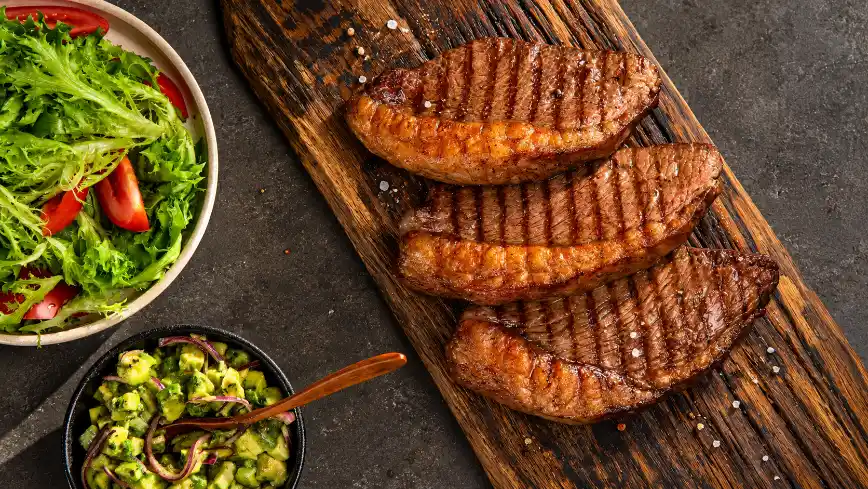
Beef is one of the dietary sources of iron that the body absorbs most efficiently. Lean cuts can be part of a balanced diet and, when combined with legumes and vegetables, can also help improve the absorption of the non-heme iron found in these foods.
Organ meats, especially liver, contain high amounts of the mineral. Heart and kidneys are also among the sources highlighted by Hospital Nove de Julho. Because these are nutritionally concentrated foods, the frequency and amount consumed should reflect individual needs and, when necessary, the guidance of a healthcare professional.
Fish, shellfish, oysters, sardines and poultry also contribute to iron intake. The amount varies according to the food, cut, serving size and cooking method.
Beans, lentils and chickpeas
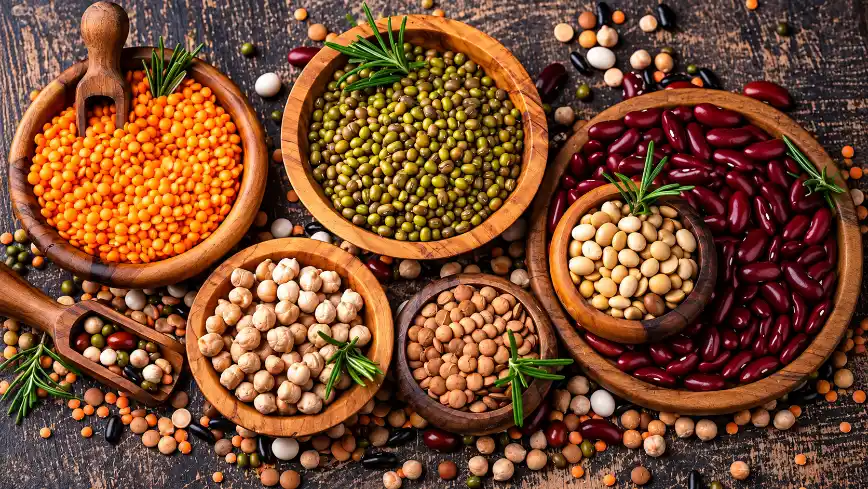
A staple in Brazilians’ daily diet, beans are an important source of non-heme iron. Lentils, chickpeas and peas belong to the same legume group and help diversify meals.
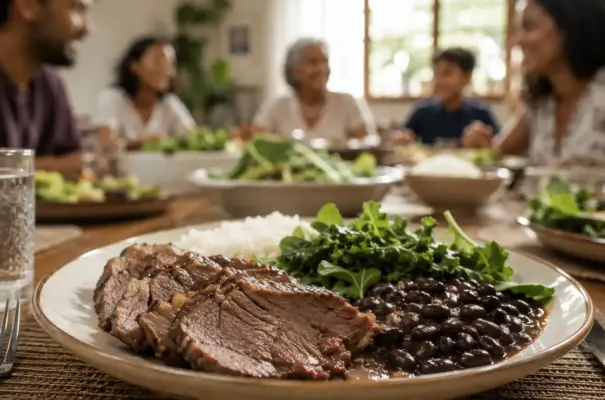
Because the iron in these foods is more affected by the other components of the diet, it is worth combining them with sources of vitamin C. Beans with meat and a salad dressed with lemon, for example, bring together iron from different sources and elements that support its absorption.
Read also: Beef vs. beans: which type of iron is better absorbed?
Dark green vegetables
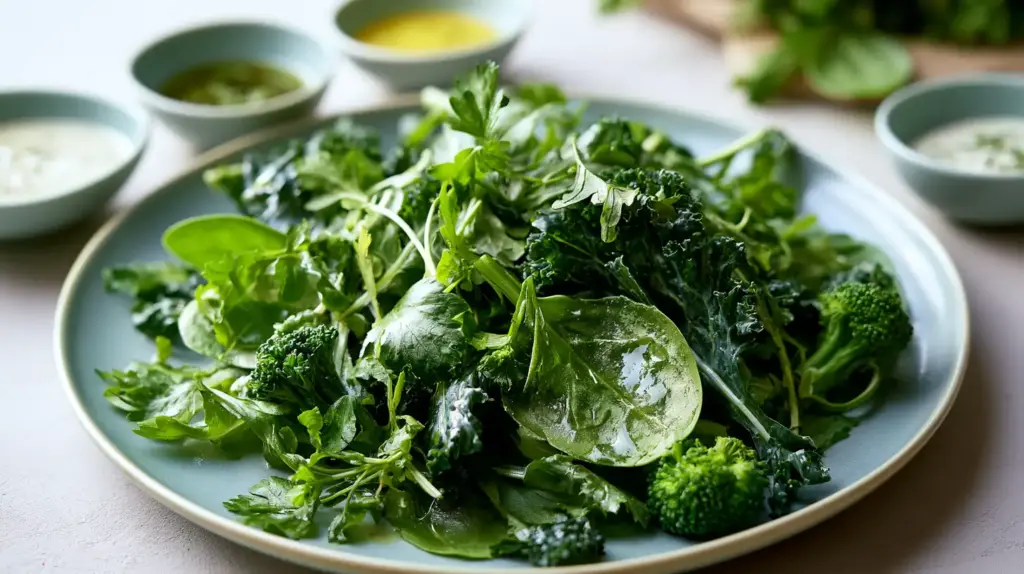
Collard greens, spinach, watercress, arugula, parsley and broccoli also provide non-heme iron. However, the presence of the mineral does not mean that it will be fully absorbed. Some vegetables contain compounds that can reduce its bioavailability—that is, the share the body can effectively use.
For this reason, spinach may contain iron and still not provide the same absorption efficiency as beef. Including these vegetables remains important, but the composition of the meal makes a difference.
Nuts, seeds and grains
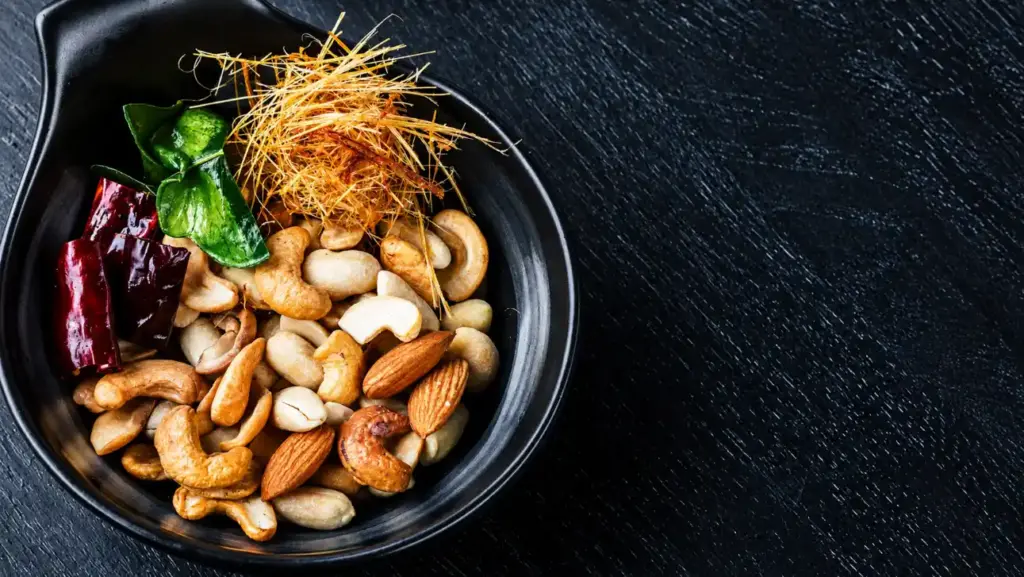
Pumpkin seeds, sesame seeds and cashews help expand dietary sources of iron. Whole grains and products made with enriched flours can also contribute to daily mineral intake.
These foods do not need to appear only in main meals. Seeds can be added to salads and other preparations, while nuts can be included in snacks served with fruit.
How much iron does each food contain?
The amount of iron varies according to the food and the cooking method. In a compilation by the Tua Saúde website, part of Rede D’Or, chicken and beef liver appear among the animal-based sources with the highest concentrations of the mineral.
| Animal-based food | Amount of iron per 100 g |
| Cooked chicken liver | 12.9 mg |
| Chicken heart | 5.96 mg |
| Grilled beef liver | 5.8 mg |
| Cooked oysters | 4.9 mg |
| Cooked egg yolk | 2.9 mg |
| Cooked ground beef | 2.7 mg |
| Cooked lamb | 2.7 mg |
| Roasted tuna | 1.3 mg |
| Roasted sardines | 1.3 mg |
Among plant-based foods, seeds, legumes, nuts, grains and grain products stand out. In these cases, the iron is in non-heme form, which is more affected by the other components of the meal.
| Plant-based food | Amount of iron per 100 g |
| Spirulina | 28.5 mg |
| Roasted pumpkin seeds | 14.9 mg |
| Cocoa powder | 13.9 mg |
| Sunflower seeds | 5.2 mg |
| Rolled oats | 4.4 mg |
| Pistachios | 4 mg |
| Barley bread | 3.86 mg |
| Cooked chickpeas | 2.9 mg |
| Rye bread | 2.83 mg |
| Walnuts | 2 mg |
| Cooked black beans | 1.5 mg |
| Cooked lentils | 1.5 mg |
| Roasted peanuts | 1.3 mg |
Source: Tua Saúde/Rede D’Or. The values indicate the total amount of iron in 100 g of each food.
Comparison by 100 g makes it possible to assess iron concentration, but it does not, by itself, determine which food contributes most to the diet. The size of the portion usually consumed and, especially, the mineral’s bioavailability must also be considered. In addition, foods such as spirulina, cocoa and seeds are generally consumed in much smaller amounts than meat, beans or chickpeas.
Another important point is the type of iron present in each food. In plants, it occurs in non-heme form, whose absorption is lower and more variable, at around 2% to 20%. Heme iron, found in meat, has absorption rates that can reach approximately 15% to 35%. In addition, non-heme iron is more strongly affected by meal components such as phytates and polyphenols, which can reduce its absorption.
In practice, this means that a plant-based food may contain more milligrams of iron per 100 g and still not necessarily result in a greater amount being effectively absorbed by the body. Therefore, nutritional analysis should consider not only how much iron is present in the food, but also the chemical form in which it occurs and how much the body can use.
How can iron absorption from food be improved?
An iron-rich meal is not determined solely by adding up the amounts present in each ingredient. Some foods support the absorption of the mineral, while others can reduce it, particularly in the case of non-heme iron.
Vitamin C is one of the main allies in this process. According to the United States National Institutes of Health, it increases the bioavailability of non-heme iron. Oranges, acerola cherries, guava, lemon, strawberries, cashews, tomatoes and bell peppers are some options to include in or serve with meals.
In practice, this allows for simple combinations: lentils with tomatoes and bell peppers; beans with collard greens and citrus fruit for dessert; chickpeas seasoned with lemon; or beef served with beans and salad. The presence of meat, poultry or fish in a meal can also support the absorption of non-heme iron found in vegetables and legumes.
On the other hand, the polyphenols in coffee and some teas can reduce the absorption of non-heme iron when these beverages are consumed close to meals. This does not mean that coffee needs to be eliminated from the diet, but people with diagnosed deficiency or at greater risk may be advised to separate its consumption from main meals.
Calcium, phytates found in grains and cereals, and some compounds present in vegetables can also interfere with absorption. In everyday eating, however, the goal should not be to eliminate entire food groups, but to build a varied diet suited to individual needs.
Why maintain iron stores?
Essential for the production of hemoglobin and the transport of oxygen throughout the body, iron also plays a role in energy metabolism, cell function and muscle activity. According to nutrition specialist Luciane Osse, of Hospital Nove de Julho, the mineral is also part of muscle cells and is necessary for the formation of several enzymes.
As iron stores decline, fatigue, weakness, difficulty concentrating, shortness of breath and reduced physical performance may occur. These signs do not appear only once anemia has developed: iron deficiency can begin before hemoglobin levels fall.
Digestive surgeon, professor, researcher and athlete Luciana Haddad summarizes this role simply: “Think of iron as a delivery person for oxygen to the muscle. If iron levels fall, oxygen does not get there. And then you may feel tired long before any sign of anemia appears.”
One indicator of this stage is ferritin, a protein that stores iron and serves as a measure of the mineral’s reserves. Low ferritin levels may reveal that stores are being depleted even when a complete blood count does not yet indicate anemia.
Ferritin levels, however, should not be interpreted in isolation. Inflammatory processes can raise them, and diagnosis generally considers other tests and the clinical history. If the deficiency progresses and compromises hemoglobin production, the condition may develop into iron-deficiency anemia.
Learn more: Your training hasn’t changed, but your pace has slowed? Ferritin may explain why
Women’s specific iron needs
The risk of iron deficiency is not the same for everyone. Women of reproductive age have specific needs because of periodic blood loss during menstruation, especially when menstrual flow is heavy. When blood is lost, the body also loses iron and may have difficulty replenishing its stores between cycles.
In Brazil, an estimated 40% to 50% of young women have some degree of mineral deficiency, according to Hospital Israelita Albert Einstein.
Needs also increase during pregnancy, when the body must support the expansion of blood volume and the development of the fetus and placenta. Adolescents, young children, people on highly restrictive diets and patients with conditions that impair intestinal absorption may also be more vulnerable.
- 27 alimentos ricos em ferro (e principais benefícios)
- Alimentos ricos em ferro: quais são, seus benefícios e onde encontrá-los
- Larry E. Johnson, MD, PhD, University of Arkansas for Medical Sciences – Deficiência de ferro
- Nutrição e bem-estar: alimentação, saúde e informação baseada em evidências
- Saiba como a deficiência de ferro no sangue afeta a saúde da mulher