
Share


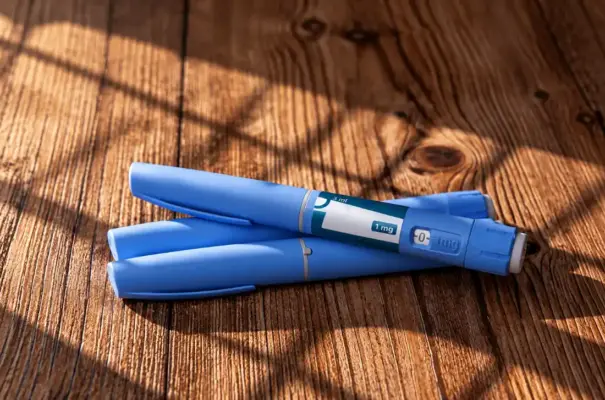
GLP-1 receptor agonists, such as semaglutide and tirzepatide, have changed the treatment of obesity. In clinical trials, they reduce body weight by 5% to 18%, and the number of people using them is growing rapidly.
Along with fat, however, some of the lost weight is muscle mass. And because the medication greatly reduces appetite, many people begin to eat too little, and sometimes poorly, precisely during the phase when the body most needs high-quality nutrients.
In 2025, four American scientific societies—the American College of Lifestyle Medicine, the American Society for Nutrition, the Obesity Medicine Association and The Obesity Society—published a joint advisory on nutritional priorities for people using these medications (Mozaffarian et al., 2025). Let’s take a look at what it recommends and how to build a plate so that weight loss comes from fat while preserving as much muscle as possible.
What the scale does not show
In the STEP 1 trial, which led to the approval of semaglutide for obesity, participants assessed through body-composition testing lost an average of 13.6 kg. Of that amount, 8.3 kg was fat and 5.3 kg (38%) was lean mass, which includes muscle, water and other nonfat tissues (Wilding et al., 2021). Because muscle accounts for about half of lean mass, roughly 20% of the lost weight was muscle. With tirzepatide, in the SURMOUNT-1 trial, the pattern was similar, with about three parts fat lost for every part of lean mass (Jastreboff et al., 2022).
An important caveat is warranted. This proportion is not exclusive to weight-loss injections and appears in any major and rapid weight-loss process, such as after bariatric surgery or very-low-calorie diets. How much muscle is lost depends on the rate of weight loss, the size of the calorie deficit, protein intake and, above all, whether or not strength training is performed (Mozaffarian et al., 2025). It is an effect that can be modified.
Why preserving muscle matters
Muscle is the main tissue that removes glucose from the bloodstream, contributes to resting energy expenditure and supports strength, balance and independence. Losing muscle mass increases the risk of falls, fractures and frailty and worsens quality of life. The joint advisory identifies older adults, women in the peri- and postmenopausal stages, sedentary people and those who do not do strength training as being especially vulnerable (Mozaffarian et al., 2025).
There is also a long-term issue. When the medication is stopped, weight tends to return. In the STEP 1 extension, one year after stopping semaglutide, participants regained about two-thirds of the weight they had lost (Wilding et al., 2022). If what was lost was muscle and what comes back is mainly fat, a person may end the cycle with a worse body composition than at the beginning. Protecting muscle during treatment is one way to protect the result.
Protein: how much and how

With appetite reduced, calorie intake among people using GLP-1 drugs falls by 16% to 39% (Mozaffarian et al., 2025). When you eat less, each meal needs to deliver more.
How much. The advisory cites targets of 1.2 to 1.6 g of protein per kilogram of body weight per day during the active weight-loss phase. In people with obesity, calculating the target based on current body weight overestimates the need, and a practical alternative is to work with an absolute target of 80 to 120 g of protein per day (Mozaffarian et al., 2025). This figure should be adjusted with a doctor or dietitian, especially for people with kidney disease.
Why it works. A meta-analysis of 24 clinical trials showed that, in calorie-restricted diets with the same total calorie intake, higher protein consumption reduced lean-mass loss and increased fat loss compared with standard-protein diets (Wycherley et al., 2012).
How. Two simple strategies make a difference. The first is to start the meal with protein, before satiety sets in (Mozaffarian et al., 2025). The second is to spread protein intake throughout the day in smaller, more frequent meals, which can also help control nausea. Portions containing 20 to 40 g of protein per meal are a good reference for stimulating muscle protein synthesis (Jäger et al., 2017).
Where meat fits in
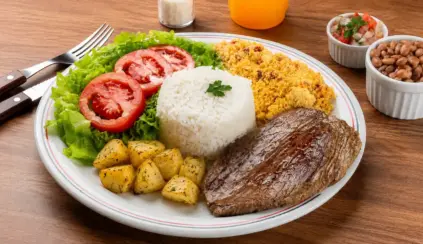
People using GLP-1 drugs need foods that provide a lot of protein in a small volume. Lean beef fits this criterion well. A 100 g serving of a cooked lean cut, such as rump, top sirloin or filet mignon, provides around 30 g of complete protein, with all the essential amino acids and a good amount of leucine, the amino acid that triggers muscle protein synthesis.
It also provides nutrients that may be lacking when people eat too little. The joint advisory cites vitamin B12 among the nutrients that deserve attention during treatment, and meat is one of the main dietary sources of this vitamin, as well as highly absorbable heme iron and zinc.
The advisory recommends that red meat be consumed in moderation as part of a varied diet, and that processed meats, such as cold cuts and sausages, be avoided (Mozaffarian et al., 2025). In practice, this means choosing lean, unprocessed cuts in appropriate portions and alternating them throughout the week with fish, eggs, chicken, dairy products and legumes. Within this pattern, beef is one of the most efficient ways to reach the protein target.
Preparation matters, too. The medication slows stomach emptying, and large or very fatty meals worsen nausea and diarrhea. Grilled, roasted or boiled preparations, smaller portions and cuts without visible fat are generally better tolerated, especially at the beginning of treatment and when doses are increased.
Strength training: the other half of the equation
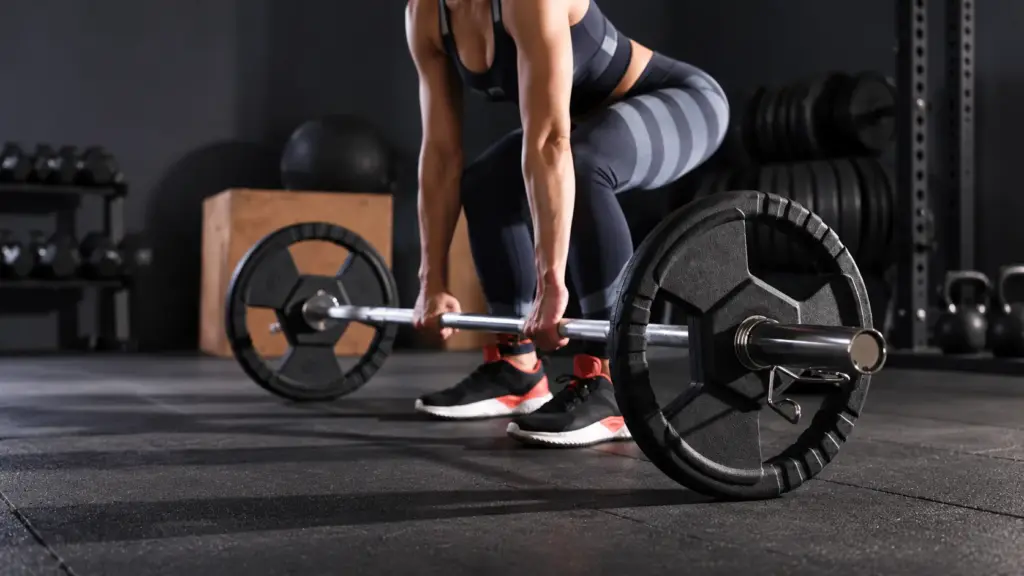
Protein without a stimulus does not build muscle. The societies recommend that GLP-1 therapy be prescribed alongside a structured exercise program, with strength training at least three times a week and a minimum of 150 minutes of moderate aerobic activity per week (Mozaffarian et al., 2025).
A Danish clinical trial shows the scale of this difference. After an initial dieting phase, adults with obesity were divided into four groups and followed for one year. The combination of exercise and liraglutide, an earlier-generation GLP-1 drug, reduced body-fat percentage by 3.9 percentage points—about twice the reduction achieved with either strategy alone—and was the only approach to improve insulin sensitivity and cardiorespiratory fitness (Lundgren et al., 2021).
If I could leave just one message for people starting treatment, it would be this: the injection helps you eat less, but strength training is what signals to the body that muscle needs to be maintained.
Signs that your diet is not adequate
The joint advisory lists several signs of nutritional deficiency that deserve attention during treatment (Mozaffarian et al., 2025):
- More fatigue than expected
- Pronounced hair loss
- Muscle weakness or difficulty performing tasks that used to be easy, such as climbing stairs
- Flaking or itchy skin
- Slow wound healing
- Unexplained bruising
If these signs appear, the right course is to speak with a doctor. Laboratory tests and an assessment of body composition, for example through bioelectrical impedance analysis, can help determine whether weight loss is coming from where it should.
In practice
- Start each meal with protein.
- Include protein in every meal, with 20 to 40 g in each one.
- Choose lean, unprocessed cuts prepared grilled, roasted or boiled, and avoid processed meats.
- Vary your sources throughout the week: beef, fish, eggs, chicken, dairy products and legumes.
- Do strength training at least three times a week, combined with aerobic activity.
- On nauseous days, eat smaller, more frequent meals and stay hydrated.
- Maintain medical and nutritional follow-up throughout treatment and afterward.
The medication reduces appetite, but it does not choose where the weight comes from. That part depends on what goes on the plate and the stimulus the muscle receives. Eating less requires eating better, and high-quality protein combined with strength training is what separates healthy weight loss from simply losing weight.
- Jäger R, Kerksick CM, Campbell BI, et al. International Society of Sports Nutrition Position Stand: protein and exercise. J Int Soc Sports Nutr. 2017;14:20. PMID: 28642676.
- Jastreboff AM, Aronne LJ, Ahmad NN, et al. Tirzepatide Once Weekly for the Treatment of Obesity. N Engl J Med. 2022;387(3):205-216. PMID: 35658024.
- Lundgren JR, Janus C, Jensen SBK, et al. Healthy Weight Loss Maintenance with Exercise, Liraglutide, or Both Combined. N Engl J Med. 2021;384(18):1719-1730. PMID: 33951361.
- Mozaffarian D, Agarwal M, Aggarwal M, et al. Nutritional priorities to support GLP-1 therapy for obesity: a joint advisory from the American College of Lifestyle Medicine, the American Society for Nutrition, the Obesity Medicine Association, and The Obesity Society. Obes Pillars. 2025;15:100181. PMID: 40673264.
- Wilding JPH, Batterham RL, Calanna S, et al. Once-Weekly Semaglutide in Adults with Overweight or Obesity. N Engl J Med. 2021;384(11):989-1002. PMID: 33567185.
- Wilding JPH, Batterham RL, Davies M, et al. Weight regain and cardiometabolic effects after withdrawal of semaglutide: The STEP 1 trial extension. Diabetes Obes Metab. 2022;24(8):1553-1564. PMID: 35441470.
- Wycherley TP, Moran LJ, Clifton PM, Noakes M, Brinkworth GD. Effects of energy-restricted high-protein, low-fat compared with standard-protein, low-fat diets: a meta-analysis of randomized controlled trials. Am J Clin Nutr. 2012;96(6):1281-1298. PMID: 23097268.