
Share


There are many ways to prepare meats excellently: some are more traditional, while others serve specific purposes. Likewise, there are several types of grills. The ideal choice will depend on the profile, technical knowledge and level of demand of the person running the barbecue. Knowing how each one works is the first step to discovering which best fits your needs and making a confident decision!
Charcoal grill: a global tradition
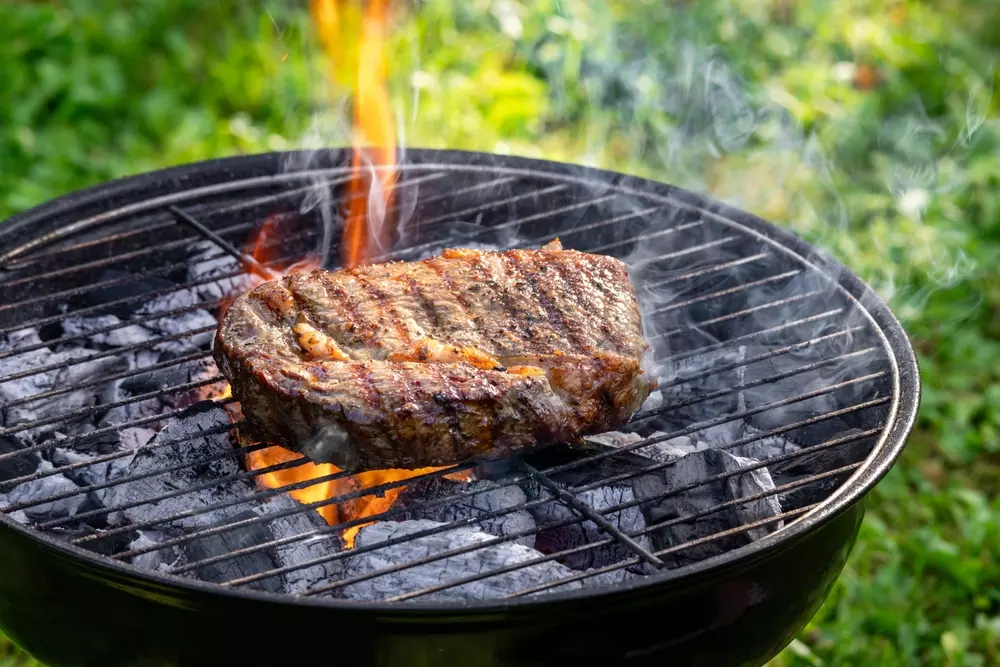
With mastery of fire techniques, it can be said that barbecue began in prehistory. Humans realized that once roasted, meat became more flavorful, tender and preserved. For this reason, the charcoal grill is by far the most established.
The smoke produced by burning charcoal imparts an intense smoky flavor, ideal for those who value the traditional taste of barbecue. Cuts such as picanha, ribs, sausage and chicken are recommended for these devices, which can be portable, masonry or metal.
This type is ideal for outdoor settings and longer occasions, since the preparation process takes a bit more time. In Brazil’s Pampa region, in Rio Grande do Sul, grill masters are known for their techniques in traditional meat preparation, making the practice popular throughout the country. Luciano, presenter of the channel O Luxo do Gaúcho, compiled the main mistakes made by beginner grillers.
Gas grill: the condominium favorite

Great options for balconies, apartments and frequent use, gas grills run on propane tanks or piped gas (LPG or natural). One of their advantages is quicker ignition and precise temperature control; many even come with a built-in thermometer.
They also produce less smoke and mess than charcoal grills. It’s an option for those looking to prepare burgers, skewers, vegetables and lean cuts with practicality and speed.
Electric grill: focused on high precision
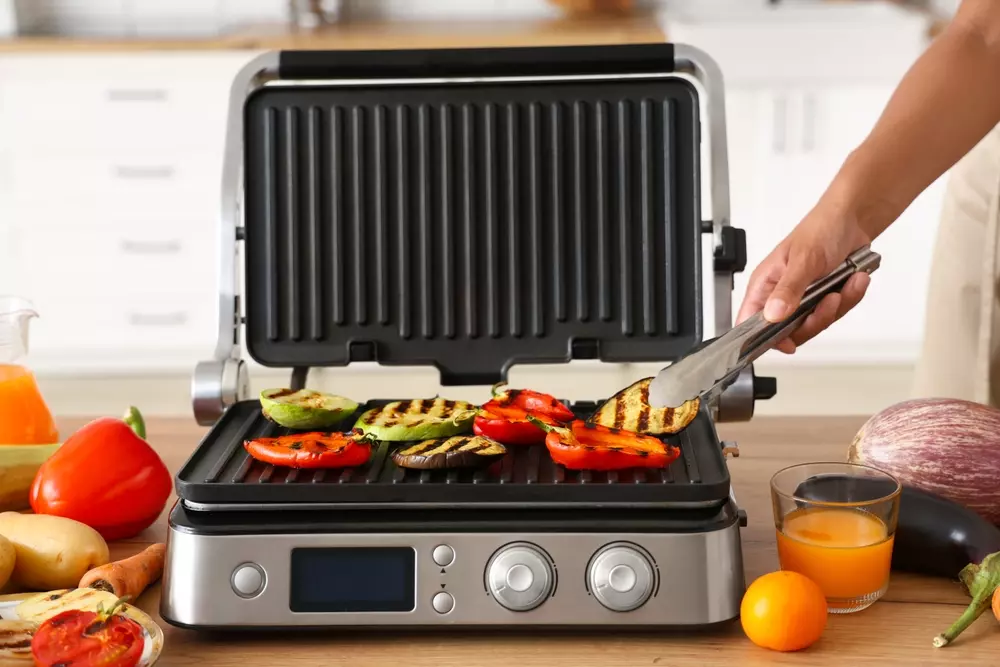
Like gas grills, electric grills tend to be compact and easy to use. They produce even less smoke. Some models have a water tray to minimize emissions, making them great solutions for those living in small apartments who still want a family grill.
One of their main features is thermostat temperature control. This means thin cuts, vegetables and fish that require specific conditions to be well cooked are recommended.
Parrilla (Argentina/Uruguay)
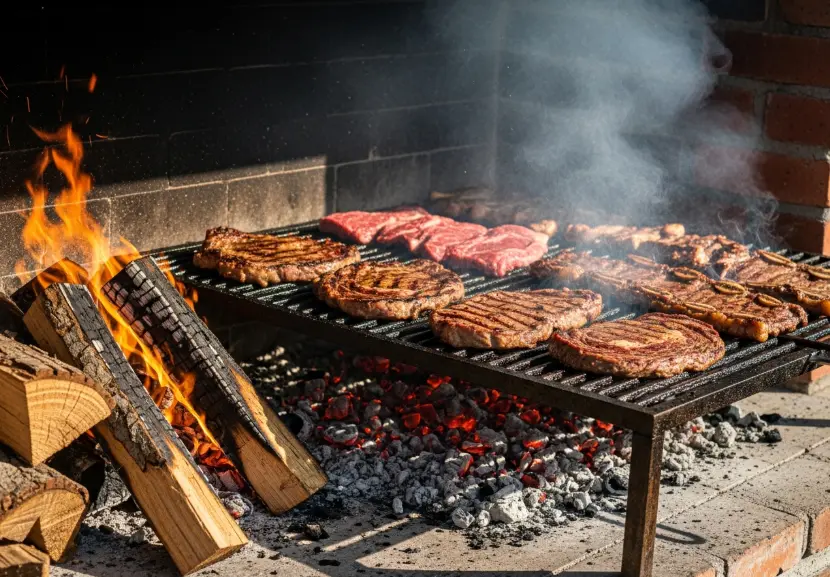
This is a charcoal grill with the embers separated from the food. Its main difference from the traditional grill is that cooking requires the preparation of live embers, which occur when the coals are fully lit and show an intense reddish color.
Its sloped grate has channels to drain fat and allows slow, even cooking. Another advantage is that, despite the combustion, the live embers produce little smoke.
The Argentine grill structure is robust, usually masonry or iron. It is recommended for thick cuts and premium meats, such as bife de chorizo, vacío and short ribs. However, it requires time and attention, as it involves an entire ritual for a satisfactory result.
Pit Smoker: American style

The pit smoker uses wood or charcoal for indirect smoking of cuts like brisket, pork ribs, pulled pork and smoked chicken. One of its characteristics is low-temperature cooking over many hours.
It has a smoke chamber separate from the meat: this produces a deep flavor and an extremely tender texture. However, it is not suitable for quick preparations, since its nature ensures the opposite.
Many TV shows broadcasting Texas-style barbecue competitions feature these devices. They are quite large and require a lot of space to operate. Pit smoker enthusiasts can check out some professional tips in this video produced by the Eater channel.
Beyond the choice of grill, there are various accessories that can contribute to a differentiated experience. But the perfect barbecue starts with choosing the best meat and the right doneness. Simple tricks or even a good marinade can further elevate the preparation, making it chef-worthy!
References:
Os ERROS que Todo Assador Iniciante Comete – YouTube (Brazilian Portuguese)
What It Takes to Win the World’s Largest BBQ Competition — Smoke Point: The Competition – YouTube