
Meat Myths
Health, nutrition, and misinformation: separating fact from fiction.
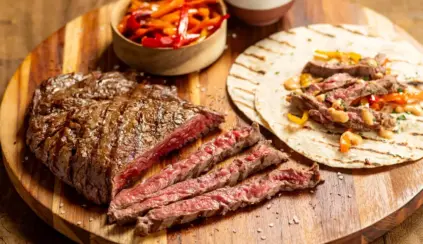
What is the origin of myths about meat?
Over the past decades, changes in nutrition science, access to food, and environmental concerns have helped shape different narratives around meat consumption, often simplified in public debate.
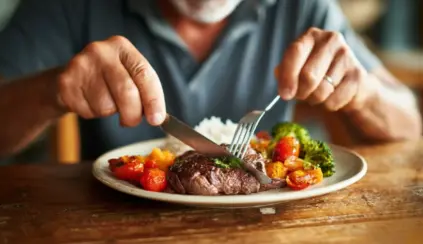
Does red meat cause cancer?
Do you know what red meat and working in hair salons have in common? Both are classified as probably carcinogenic. Learn more about the myth behind the association between meat and cancer.

Does red meat cause cardiovascular disease?
Scientific studies indicate that cardiovascular risk is more closely related to overall dietary patterns and lifestyle than to the isolated consumption of red meat, especially when distinguishing between unprocessed and ultra-processed products.
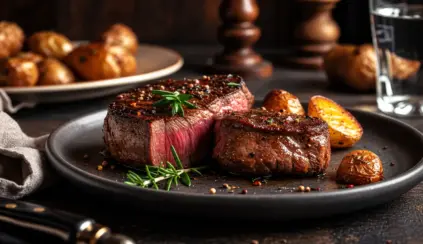
Does red meat inflame the body? What science says
Quantity, frequency, processing, and dietary patterns influence this relationship; understand the role of the microbiome and the contexts in which consumption can affect inflammatory markers.
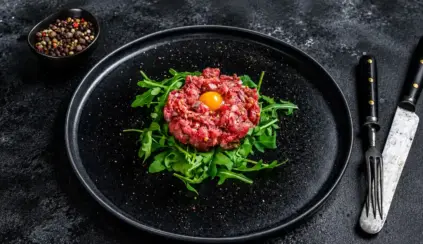
Is raw meat dangerous?
Carpaccio, steak tartare, and kibbeh nayyeh are classic dishes that demonstrate how food safety depends on the way meat is handled, stored, and prepared.
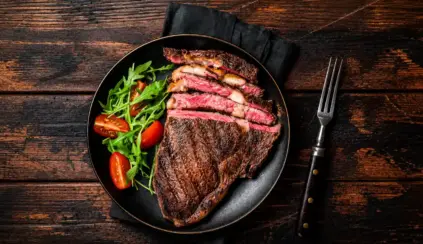
Does undercooked meat make you sick?
The risk is not necessarily in how rare the meat is cooked, but rather in the preparation method, the cut selected, and the potential for microbiological contamination.
Terms to understand about meat
Leucine
Trans fat
Unsaturated fat
Saturated fat
Go to the full Glossary