
Share


For millennia, salt was simply… salt. A basic, ancestral ingredient, indispensable for preserving food and enhancing flavors. In Brazilian barbecue, that logic remained predominant until the early 2000s.
From 2010 onwards, traditional coarse salt began to lose its absolute reign on the country’s grills. Driven by the appreciation of specialty cuts, the growth of premium barbecues and by a consumer more attentive to the gastronomic experience, new versions of salt began to occupy space on store shelves — and, above all, in the ritual of preparing meat. Salt stopped being merely a flavor enhancer and assumed a new prominent role.
Today, beef, lamb, pork, poultry and fish are seasoned with combinations that go far beyond the basics, incorporating herbs, spices and different grain sizes, capable of simplifying preparation and, in some cases, even reducing costs, without sacrificing aromatic complexity.
How to choose the ideal coarse salt?
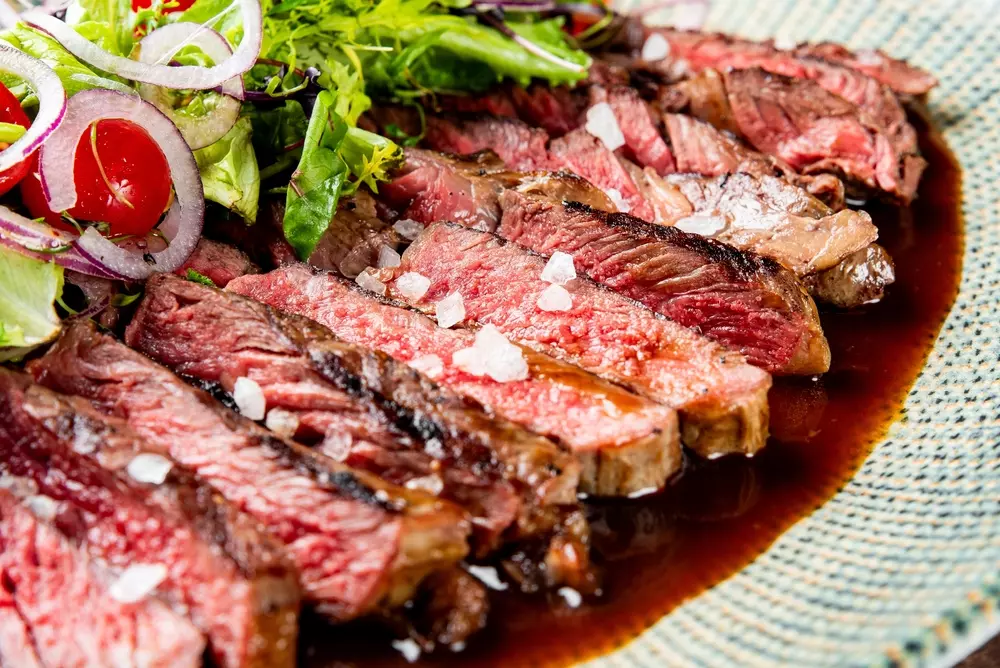
Before analyzing the products available on the market, it is important to understand what actually defines a good coarse salt for each type of preparation:
Grain size
The size of the crystals matters. While traditional coarse salt has large, irregular grains ideal for larger cuts and slower cooking, variations such as parrilla salt feature medium, more uniform grains, recommended for quick grills and steaks because they allow better control of salinity. In addition, a coarse salt with low moisture prevents clumping and adheres more easily to the meat surface. There are basically three types, besides traditional coarse salt:
- Fine salt: small grains, dissolves quickly and should be used with caution to avoid over-salting.
- Parrilla salt (or medium-fine): has an intermediate grain size between fine salt and coarse salt, allowing better control of salinity. It is traditional in Argentina and recommended for medium and thick cuts.
Fleur de sel: delicate crystals used mainly for finishing, enhancing texture and flavor after cooking.
These differences in grain size directly influence how the salt distributes on the meat and how the flavor is perceived in the final result.
Purity
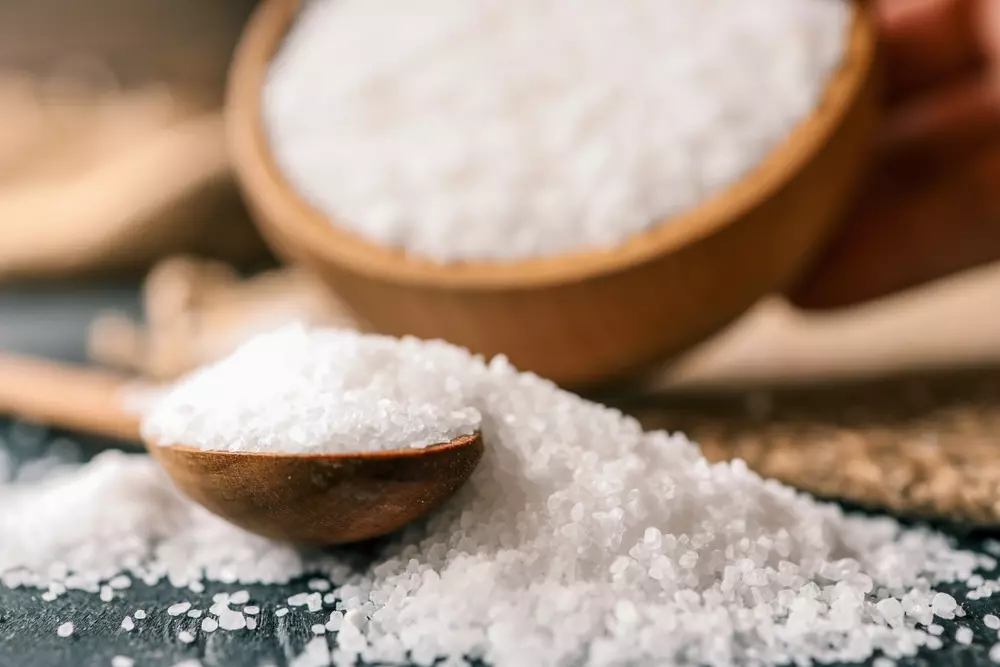
The purity of the salt is another factor to evaluate. Consumers should mainly check the ingredients list on the label to see whether the product contains only sodium chloride or if there are additives such as anti-caking agents.
However, it is important to be wary of myths: from a nutritional standpoint, there is no scientific evidence that sea salt or Himalayan salt are healthier than refined salt, since the composition of all is predominantly sodium chloride. The additional minerals sometimes present in these salts appear only in very small amounts, insufficient to provide meaningful nutritional benefits. International health organizations emphasize that the impact of salt on health is related to the total amount of sodium consumed, not the type of salt chosen.
Types of gourmet coarse salt
The types of seasoned coarse salt most used in Brazil are generally composed of garlic, onion, rosemary, black pepper and blends of aromatic herbs. They became popular for bringing convenience and for adding extra layers of flavor to preparations. Below are the most common types found on shelves and their main applications:
| Type of seasoned salt | Main ingredients | Ideal use | Characteristics |
| Coarse salt with garlic | Dehydrated garlic or garlic powder | Red meats and chicken | “Classic” barbecue aromatic profile; garlic appears as a common base for seasonings and marinades for meats |
| Coarse salt with onion | Dehydrated onion | Chicken, sausage, pork cuts | Onion as an aromatic base; in powder/dehydrated form it is frequent in blends and rubs, providing a slightly sweet note |
| Coarse salt with rosemary | Dried rosemary | Picanha, ribs, lamb | Rosemary is commonly paired with meats (especially cuts richer in flavor/fat) |
| Coarse salt with black pepper | Ground black pepper | Red meats | Pepper as a central flavor element (peppercorn crust / “robustness” in meats) |
| Coarse salt with fine herbs | Oregano, thyme, basil | Chicken, fish, vegetables | Herbs act as carriers of freshness/aroma; practical distinction between softer and more “woody” herbs |
| Complete mixes (gourmet kits) | Garlic, onion, rosemary, pepper and other herbs | Varied barbecue | Blend/rub logic: practicality and sensory balance of spices and herbs |
There are also smoked coarse salt options, which incorporate woody and smoky notes into cuts, creating a sensory effect similar to cooking in smokers.
Wood and aroma: another factor impacting barbecue
Beyond the choice of salt, an interesting strategy to modify the aroma and flavor of the meat is to replace charcoal with logs of wood. Oak, walnut, cherry, gabiroba and eucalyptus are some of the options used. Fruit woods are valued for imparting sweeter, milder aromas, while denser woods burn slowly and are recommended for long barbecues. Eucalyptus, in turn, is an affordable alternative with a fresh and potent aroma but should be handled carefully, as it burns quickly.
Sources: