Share


Salt is the perfect companion to enhance the flavor of meat, but the marinade is a science that raises the standard of preparation and even takes a barbecue to another level. Combining science and technique, this type of seasoning, originally created to preserve food, consists of a combination of acids, salts, oils and enzymes that act on proteins and fibers, improving the texture and flavor of the meat.
For each occasion, type of meat, cut, cooking method and, of course, taste, there is a different recipe that masterfully balances the ingredients according to their interaction, the chemical reaction on the food and the aroma. It’s a way to transform an everyday dish into a special meal, like the cuts from the PUL brand by Minerva Foods, which represent convenience and nutrition while offering excellent value for money. Learn below about the main types of marinades.
1 – Dry brine (dry salting)
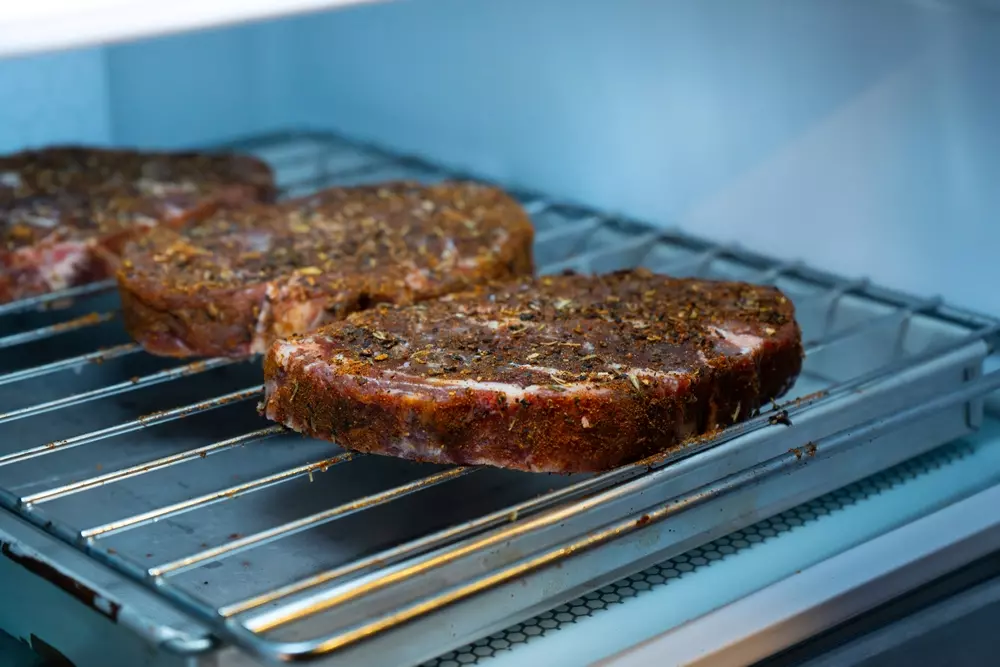
This technique consists of rubbing salt and herbs on the meat and leaving it in the refrigerator for hours or for a few days. In this process, the salt “pulls” water, dissolves and is absorbed, helping to retain juices while seasoning the meat internally.
2 – Wet marinade
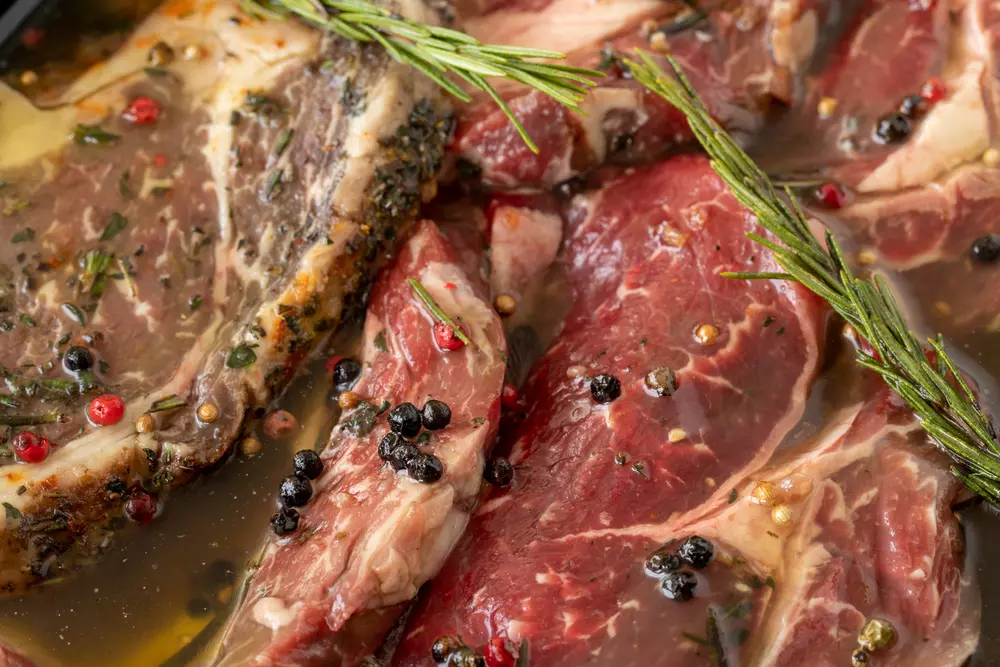
Wet marinade is a technique in which foods are immersed in a liquid mixture, usually composed of an acidic ingredient (wine, vinegar, mustard, yogurt or citrus juice such as orange or lemon), oils (sesame oil, olive oil, among others) and seasonings (from herbs—rosemary, thyme, oregano, sage, basil and others—to dry spices—paprika, saffron, lemon pepper, among others), with the goal of enhancing flavor, texture and aroma.
However, it is important to understand how the effects of a wet marinade differ from those of dry salting, since each technique acts differently on the meat. The table below details these differences:
| Attribute | Marinade (wet) | Dry brine (dry salting) |
| Definition | Seasoned liquid (acid, oil, herbs) in which the meat is immersed prior to cooking. | Salt (sometimes with herbs/spices) applied to the meat’s surface, then refrigerated. |
| Main objective | Infuse flavors; superficially tenderize with acids or enzymes. | Season from the inside out; improve juice retention and crust formation during cooking. |
| Typical components | Acid (vinegar/citrus), oil, salt, herbs, sugar. | Coarse or kosher salt; optional: pepper, garlic and dried herbs. |
| Penetration | Limited to the surface (millimeters); deep flavors are rare. | Salt penetrates by osmosis, seasoning more deeply. |
| Recommended time | 30 min to 12 h (depends on the acid and the cut). | 1 h to 48 h (large cuts typically 24 h–48 h). |
| Recommended cuts | Thin pieces, steaks, chicken pieces, fish (short times). | Large cuts, whole poultry, ribs, roasts. |
| Effect on texture | May tenderize the surface; too much acid/enzyme can make the meat “mushy”. | Restructures proteins to retain more water; improves juiciness. |
| Risks/precautions | Over-marinating with acid or enzymatic fruits can “cook” the food, leaving an overly soft texture. | Over-salting if time and concentration are not controlled. |
| Preparation before grilling | Pat dry on the surface to sear; the marinade can be reduced and used as a sauce (if cooked). | Do not rinse; leave the surface dry for better Maillard reaction (reaction between amino acids and reducing sugars). |
| Result on the grill | Intense surface flavor; less crust if too wet. | More pronounced crust and even flavor; better caramelization. |
Source: On Food and Cooking: The Science and Lore of the Kitchen
3 – Brine (liquid)
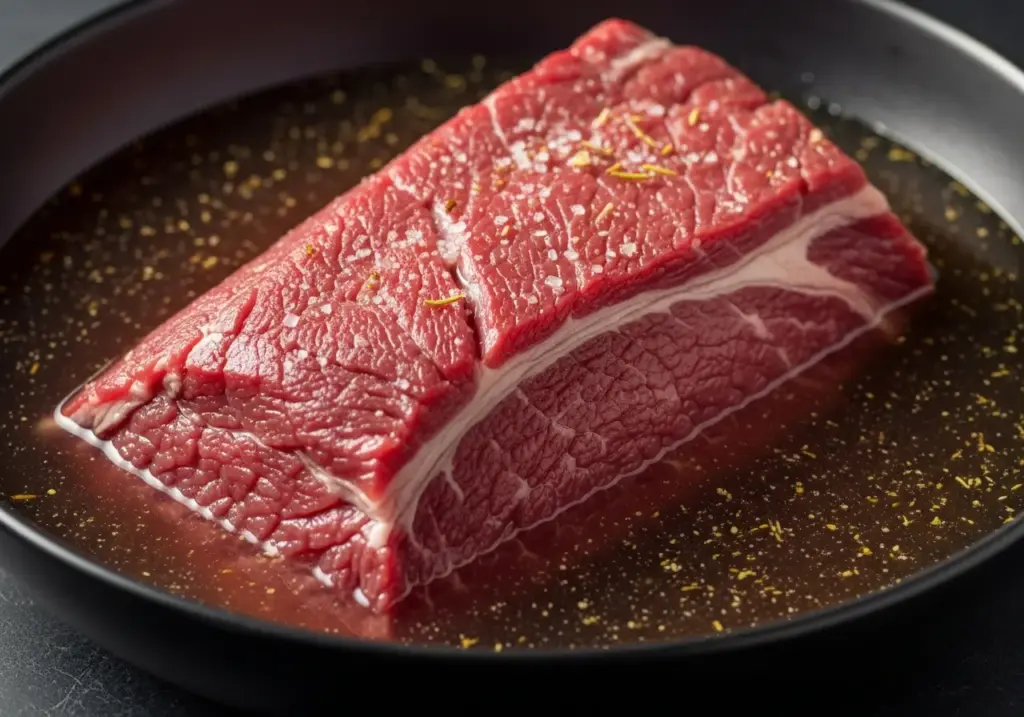
Brine is a solution of water and salt that increases juiciness and seasons meat from the inside out; when done correctly, it prevents drying during cooking and improves texture.
Sugar and aromatics can be mixed into the solution, allowing the meat to absorb and retain more liquid. In general, it is recommended to work with 5% to 6% salt by weight of water (about 50–60 g per liter) for poultry and common cuts; adjustments can be made according to the type of salt (such as kosher or table salt) and the immersion time. As a practical reference, use about 1 liter of water for each 1 kg of meat, ensuring the piece is fully submerged and that the salt concentration is maintained for an even result.
An article from Shungrill has detailed recipes for the brining process, which can be applied to any cut.
4 – Classic acidic marinade
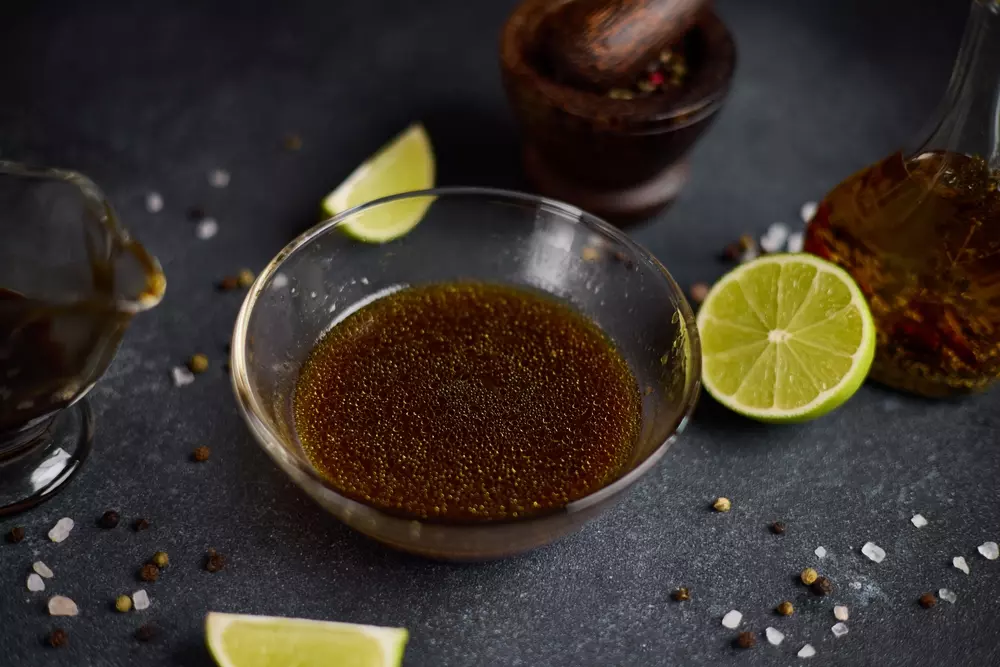
This process uses ingredients like vinegar, wine, yogurt, mustard or citrus juices to break down the surface proteins of meat, tenderize and add flavor. It is especially suitable for thin cuts and should be done carefully to avoid making the meat too soft. Common choices are:
- Vinegars: apple, red wine, balsamic – each brings distinct notes;
- Citrus: lemon, lime, orange – add freshness and bright acidity;
- Beer: in addition to acidity, provides aromatic complexity;
- Yogurt or buttermilk: mild acids that tenderize meat without damaging texture.
- Mustard: brings moderate acidity and acts as an emulsifier, helping distribute seasonings and retain moisture in the meat.
Another advantage of acidic marinades is that they play a role in food preservation: they create an environment that inhibits the growth of harmful bacteria.
5 – Enzymatic marinade (fruits)
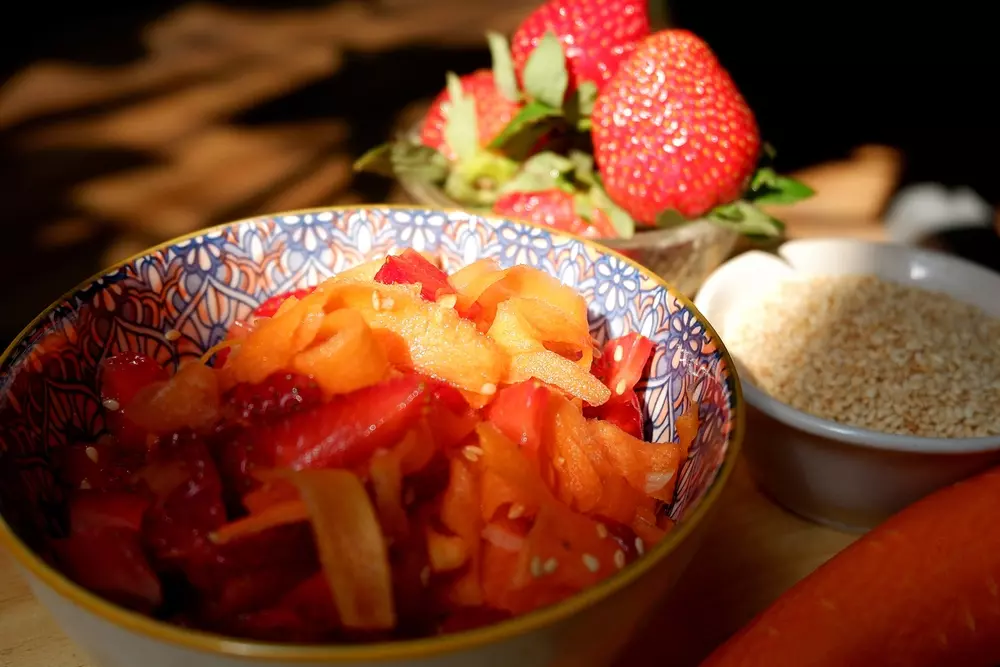
Natural enzymes like bromelain (pineapple), papain (papaya), actinidin (kiwi) and amylases (mango) can be used to break down proteins and fibers in meat, making them more tender in a short time.
Bromelain is recommended for tough cuts, while actinidin works quickly and evenly, making it suitable for premium meats. Amylases, besides tenderizing, add a slight sweetness to the dish, making them a good option for sweet-and-sour preparations.
The step-by-step is relatively simple:
- Use fresh fruits. Enzymes do not survive heat or pasteurization. Canned fruits are not recommended;
- To prepare the pulp or purée, simply blend or mash. One tablespoon per 500 g of meat is usually enough to cover the pieces;
- Tender cuts take 30 minutes to 1 hour for the process to complete, while tough cuts require 12 to 24 hours, depending on the fruit and thickness;
- Always keep the marinade refrigerated (between 0°C and 4°C) for food safety. Values above or below this range can compromise the desired result;
- Before grilling, remove excess fruit.
6 – Yogurt and buttermilk
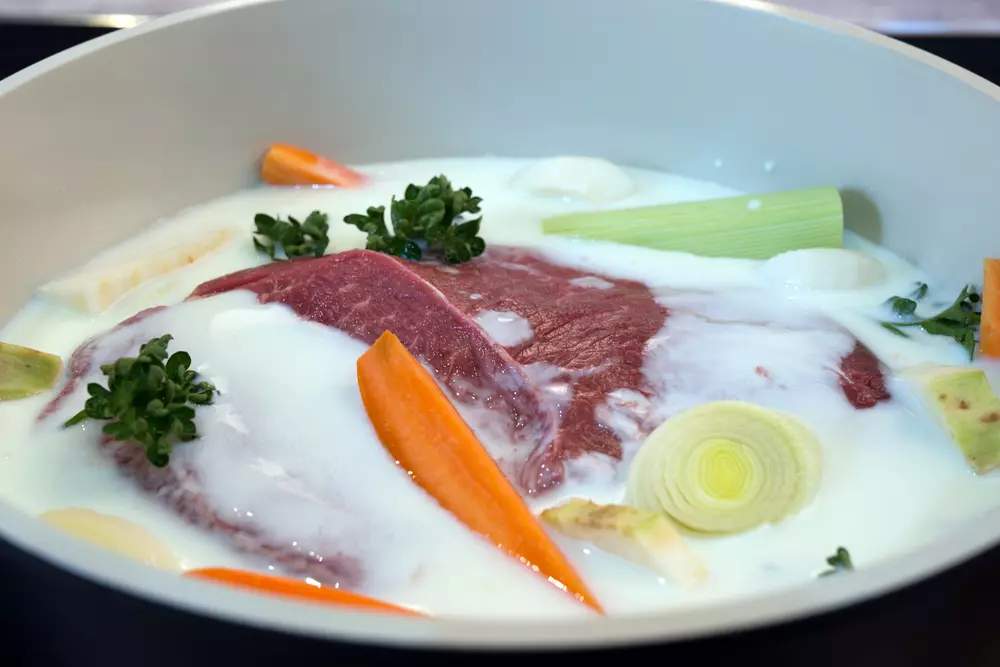
This marinating technique is traditional in many cuisines, from Indian to the American South.
Both yogurt and buttermilk contain lactic acid, which gently denatures proteins, tenderizing meat without making it excessively soft—something that can occur with citrus or very acidic marinades. However, avoid using very acidic buttermilk or yogurt for long periods. Dishes like Tandoori Chicken (India) and Southern Fried Chicken (USA) are soaked in buttermilk with spices before being breaded and fried.
In this video, chef Débora Sanders explains the buttermilk preparation process. In summary:
- With full-fat yogurt or fresh buttermilk, add garlic, ginger, spices (such as cumin, paprika and curry), salt and pepper;
- Thoroughly coat the meat in the mixture, ensuring it is fully immersed;
- Preparation time varies by cut. Chicken pieces take 4 to 8 hours, fish takes 30 minutes to 1 hour, and medium beef cuts take around 12 to 24 hours;
- As with enzymatic marinades, keep the food refrigerated between 0°C and 4°C;
- To ensure caramelization, remove excess of the mixture before roasting the meat.
With the right technique, each marinade highlights the cut’s own characteristics and directly influences the final dish. Brands like PUL, which bring convenience to everyday life, are excellent options because they expand preparation possibilities. For those looking to explore combinations and better understand these effects, the Minerva Foods website gathers recipes and guidance that show, in practice, how each cut interacts with different types of marinades.
References:
On Food and Cooking: The Science and Lore of the Kitchen
Brining Beef Chuck Roasts: A Step-By-Step Guide | ShunGrill
COMO FAZER BUTTERMILK (LEITELHO) EM CASA (In Brazilian Portuguese)