Share


The challenge of financing the transition to a low-carbon agribusiness in Brazil is systemic in scale. Public budgets and traditional rural credit are not enough; it is necessary to combine sources, instruments and actors. In this arrangement, the Third Sector, made up of civil society organizations, foundations and philanthropic networks, has become a catalytic agent that reduces risk, creates standards and provides reach to resources, connecting private investment to measurable environmental and productive results.
Blended finance and the importance of the Third Sector
Blended finance uses public or philanthropic capital to assume initial risk (first loss, guarantees, technical assistance) and mobilize private capital toward the United Nations Sustainable Development Goals (SDGs), a definition consolidated in guides and studies that have been shaping projects in agriculture and the bioeconomy. In Brazil, BNDES describes these structures as hybrid models that combine subordinated capital (debt/equity), guarantees, grants and payments for results, precisely to make socio-environmental projects attractive to commercial investors.
The practical effect appears, for example, in initiatives for zero deforestation in agricultural production. Organizations such as WWF-Brasil, in partnership with SITAWI Finanças do Bem, mapped blended finance solutions to reduce the financing gap in agricultural projects with avoided conversion, organizing instruments and conditions to attract private capital.
Reach: getting to the productive base and strengthening socio-biodiversity
Venture capital rarely reaches small and medium producers or community businesses without local reach and reliable Measurement, Reporting and Verification (MRV), which is a process that ensures a project’s environmental or climate results are real, traceable and auditable. NGOs and institutes fill this gap with networks, certifications and technical assistance.
In seeking connection with the productive base, NGOs and foundations are more efficient because they have smaller structures and a greater focus on their social objectives, mobilizing resources on behalf of communities and driving the application of capital into the sustainable development of their beneficiaries, according to a plan published by the Fluminense Federal University – UFF.
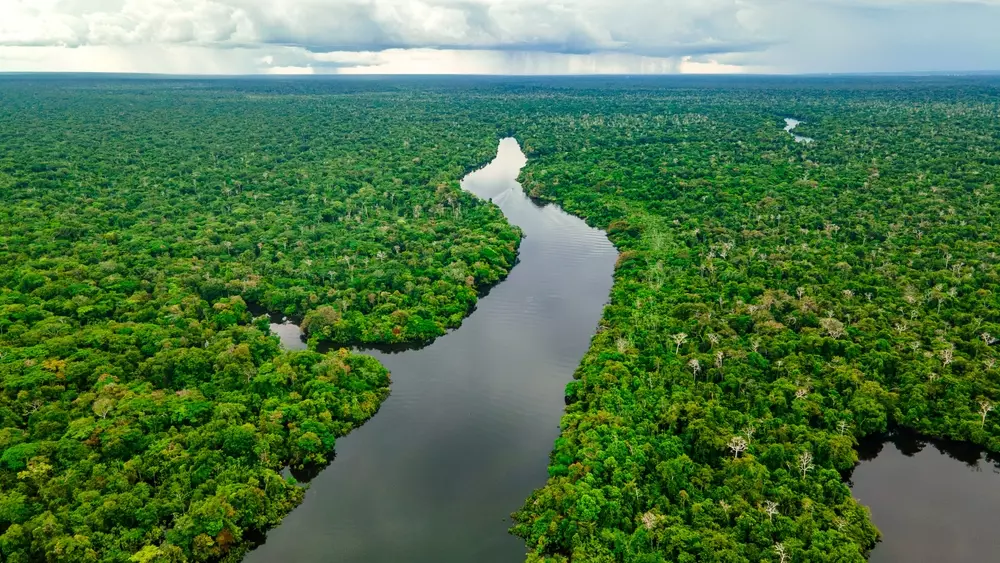
For example, Imaflora works to expand soy traceability and encourage forest retention in the Amazon, and to strengthen the Origens Brasil network, which connects traditional communities to the private sector under ethical trade standards. It also runs programs such as the “Teia da Sociobiodiversidade”, supported by the CAIXA Socio-Environmental Fund, which aim to strengthen the economic autonomy of these communities. This combination of standards, data and territorial presence is what transforms donations into structures that reduce perceived risk and improve project credibility.
Governance and “scale with method”: from grant to equity
Moving beyond the non-reimbursable donation phase (grant) to reach own capital/equity (equity) or commercial debt requires governance, a business plan, metrics and pilots. Networks like Latimpacto of risk philanthropy and the FIIMP group act precisely as a bridge between risk philanthropy and impact investment, testing instruments and qualifying the project pipeline.
According to a study by Partnerships for Forests, reports from international bodies highlight that the strategies of the Third Sector and its partners focus on strengthening the revenue flows of sustainable enterprises and reducing long-term uncertainties, providing support in scope development, business plans and piloting, helping to overcome challenges in complex local contexts.
The Third Sector is, in essence, an important engine for translating the agro-environmental sustainability agenda into “investable” business models. By mitigating risk, structuring blended finance and ensuring implementation on the ground with transparency, it is the indispensable partner for venture capital to fulfill its promise of accelerating sustainability in Brazilian agribusiness, strengthening practices such as the recovery of degraded pastures, ILPF and Agroforestry Systems, as foreseen in the investment plan announced by the Federal Government
The COP30 context and the investment agenda in the Amazon
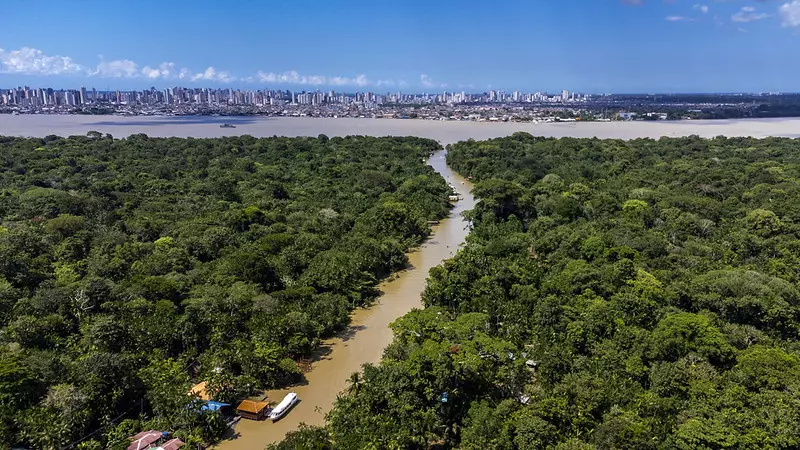
The approach of COP30 in Belém (PA) places Brazil — and especially the Amazon — at the center of the global climate debate, serving not only as a venue for discussion but as a catalyst for mobilizing capital toward solutions that align agricultural production and sustainability. In this context, the Third Sector assumes a strategic role in attracting and deploying impact investment in high-value agro-environmental projects. Among the highlights are:
- Announcement of the launch of the Tropical Forest Forever Facility (TFFF), with more than US$ 5.5 billion mobilized, aimed at the permanent conservation of tropical forests.
- Launch, by the Amazon states and partners, of a pioneering project to transform environmental assets into sources of revenue — valuing protected areas as part of a sustainable business model.
- Announcement by the Federal Government of an investment of R$ 150 million in Productive Forest areas, benefiting agrarian reform settlements in the Amazon for 2025–2029. Agência Gov.
Sources:
Blended finance: financiamento híbrido para impulsionar investimentos socioambientais
Blended finance para zero conversão
PLANO DE MOBILIZAÇÃO DE RECURSOS PARA ORGANIZAÇÕES DO TERCEIRO SETOR COMO REQUISITO PARA A SUSTENTABILIDADE
Conheça os projetos que promovem desenvolvimento sustentável e inclusão social de norte a sul – CAIXA
Partneships for Forests
PLANO DE INVESTIMENTO PARA AGRICULTURA SUSTENTÁVEL
Lançamento da Tropical Forest Forever Facility
Amazon states and partners launch pioneering project at COP30 to turn conservation into recurring revenue
Sociedade presente na preparação para COP 30; governo anuncia investimentos para Amazônia