

Share


Agribusiness has been seeking ways to reconcile productivity and environmental responsibility. Among the emerging solutions, carbon credits stand out as an economic instrument capable of transforming good practices into market value.
The economic mechanism contributes to the generation of additional revenue for the producer, while simultaneously reducing greenhouse gas (GHG) emissions.
Why are carbon credits important?
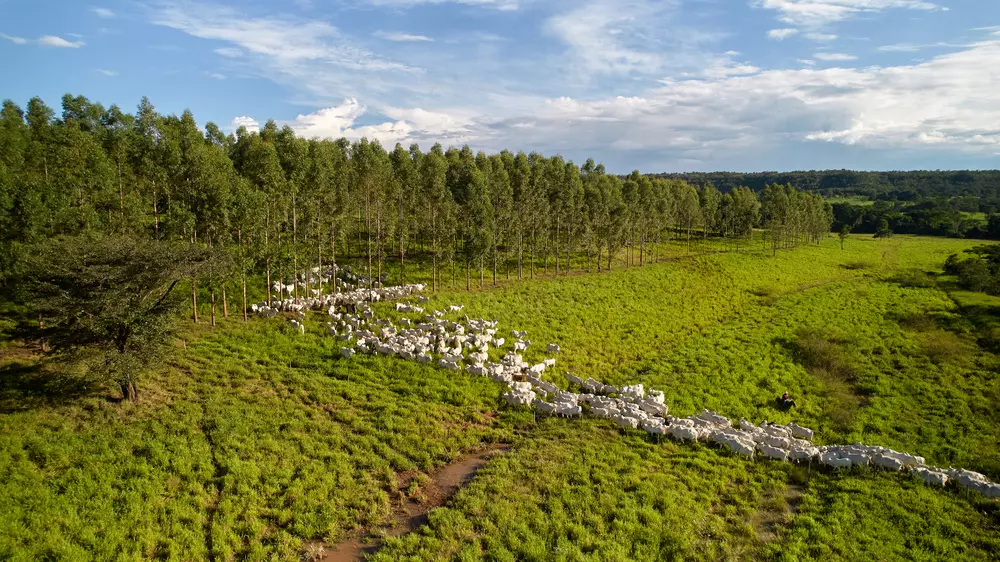
Photo: Minerva Foods
According to data from the United States Department of Agriculture (USDA), the agricultural sector accounts for about 24% of global GHG emissions. By adopting carbon sequestration techniques – such as no-till farming, crop rotation, and crop-livestock-forest integration – producers can generate verifiable credits that can be sold to companies wishing to offset their carbon footprints.
In addition to contributing to the environment, a new source of income is generated for rural properties, helping to balance the costs of transitioning to environmentally sound practices.
How does it work?
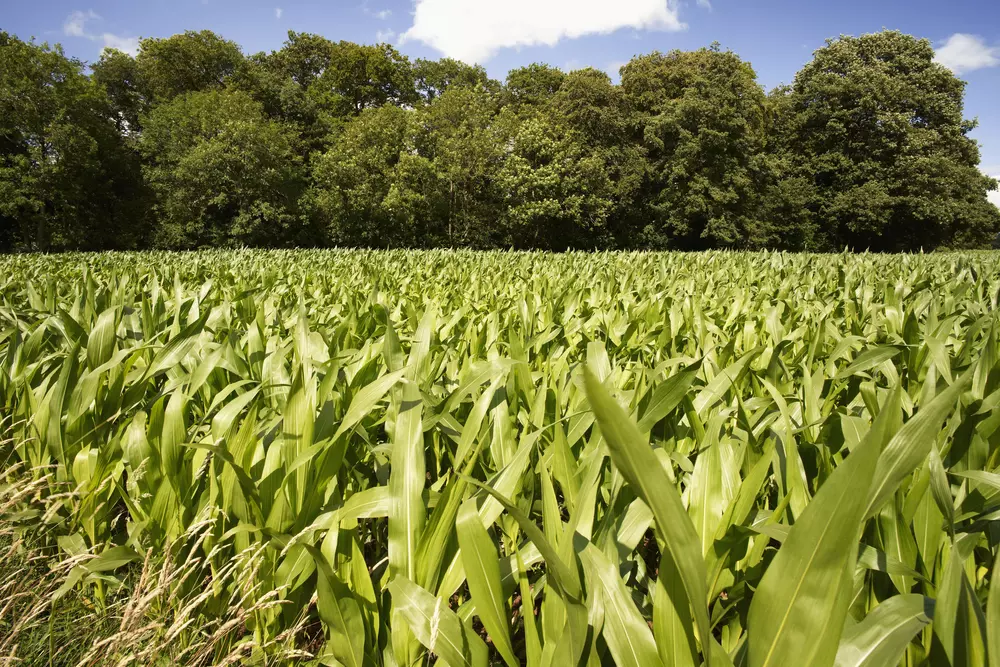
Photo: David Hughes/ Shutterstock
The process of generating carbon credits follows four main stages. The first refers to the implementation of carbon farming practices, which include permanent vegetation cover and adequate management of organic waste.
Next, certified organizations are responsible for overseeing the adopted practices. Recognized methodologies, such as Verra’s VM0042 or USDA protocols, are among the most consolidated.
The credit issuance process is typically measured in tons of CO₂ avoided or sequestered. Finally, they can be traded in both voluntary and regulated markets, where buyers – industries, governments, or conscious consumers – acquire them to meet climate compliance goals.
All these stages ensure transparency and traceability, allowing companies and consumers to invest in assets with real commercial value. A recent example is that of the Danish company AgreenaCarbon, which issued 2.3 million carbon credits. “The AgreenaCarbon project is extremely important because it demonstrates how soil carbon projects can scale,” stated Mandy Rambharos, CEO of Verra.
In Brazil, MyCarbon is one of the most active companies in this segment, responsible for carbon projects that support the recovery of degraded areas, increasing the productivity and income of rural producers while reducing the pressure of land expansion for agricultural production and storing carbon in the soil, thereby reducing emissions from productive activities.
Brazilian regulatory framework strengthens the topic
Law No. 15.042 created the Brazilian Greenhouse Gas Emissions Trading System (SBCE), a regulated carbon market that follows the Cap-and-Trade model, the same one used in major economies, such as the European Union.
Initially, agribusiness was not included in the sector regulated by the law. However, agricultural carbon projects can generate credits for the voluntary market. With this, a “price” is placed on pollution, incentivizing companies to adopt sustainable measures.
The implementation process in Brazil works as follows: the first phase lasts between 12 and 24 months. In this stage, the operational and legal details that structure the functioning of the carbon market are defined. The second phase refers to the operationalization of the Monitoring, Reporting, and Verification (MRV) system for emissions. With this, all companies send periodic reports in a standardized manner.
During the third phase, which takes up to 24 months, the obligation to submit emission reports and monitoring plans begins. All collected data will be used for the first National Allocation Plan (NAP), which will define the legal limits for emissions.
If everything is in order, the last phase will begin – the start of carbon credit (CBEs) auctions. The first negotiations are expected to begin between 2027 and 2030, if the schedule progresses as planned.
With the completion of these stages, Brazil should definitively join the group of countries with regulated and economically active carbon markets, expanding opportunities for agribusiness. The expectation is that, by officially pricing emissions and recognizing mitigation and carbon sequestration efforts in the field, the sector will begin to capture financial value for practices already adopted – such as no-till farming, integrated systems, and regenerative pasture management.
In addition to strengthening the international competitiveness of Brazilian production, the new system should convert sustainability into a measurable economic asset, attracting investments, expanding access to green credit, and consolidating Brazil’s role as a global supplier of food and climate solutions.
Reference sources:
USDA Announces Progress on Newly Authorized Climate Programs
Scaling Sustainable Farming: AgreenaCarbon’s 2.3 Million Verified Carbon Credits Redefine Regenerative Agriculture
My Carbon
Legislação Informatizada – LEI Nº 15.042