Share


For many years, blockchain technology was exclusively associated with cryptocurrencies and decentralized finance platforms. But the versatility of these digital ecosystems allows them to be integrated into a wide range of sectors — including agribusiness.
Although there are robust and capable technologies within this market, there are more economically viable, scalable and accurate alternatives to perform the same functions.
What is blockchain technology?

It is a digital ledger technology that enables data to be stored securely, transparently and immutably. In some cases, there is no need for a central controlling authority, which is common in traditional projects.
Information is grouped into blocks that are connected chronologically, forming a “chain of blocks” protected by advanced cryptography.
To ensure the integrity and security of the information, the data are managed by a network of computers (nodes) — and all participants validate transactions through consensus mechanisms.
Once recorded, a block cannot be altered without modifying all previous ones. In short, the more blocks attached to the chain, the more secure the network becomes.
Practical use cases
Within the agribusiness context, blockchain technology can be incorporated into virtually every stage:
Supply chain (Supply Chain)
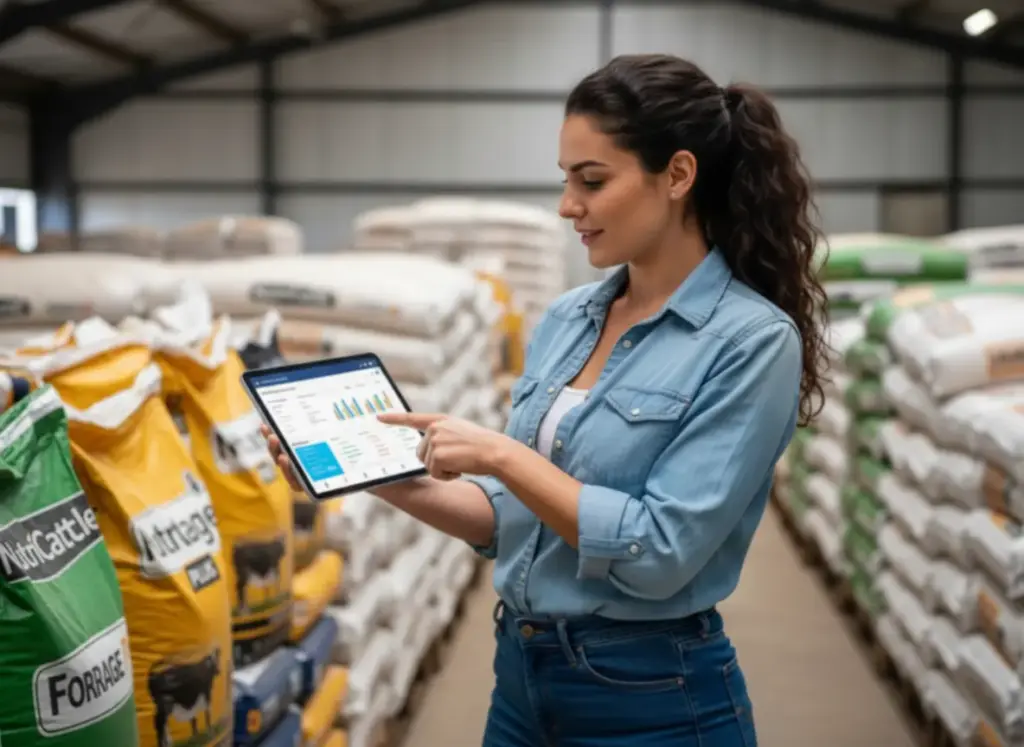
Specific applications have been developed to enhance end-to-end traceability, ensuring all processes are auditable in real time.
Data such as farm of origin, feed used, transport to the slaughterhouse, slaughter date and sanitary validation can be securely stored on distributed servers. This level of transparency helps strengthen consumer trust and adds value to the product.
Platforms such as BeefLedger and HerdX offer animal tracking via blockchain and connect producers directly with consumers. The data are accessible via QR Code, which facilitates verification of provenance.
Cattle tokenization
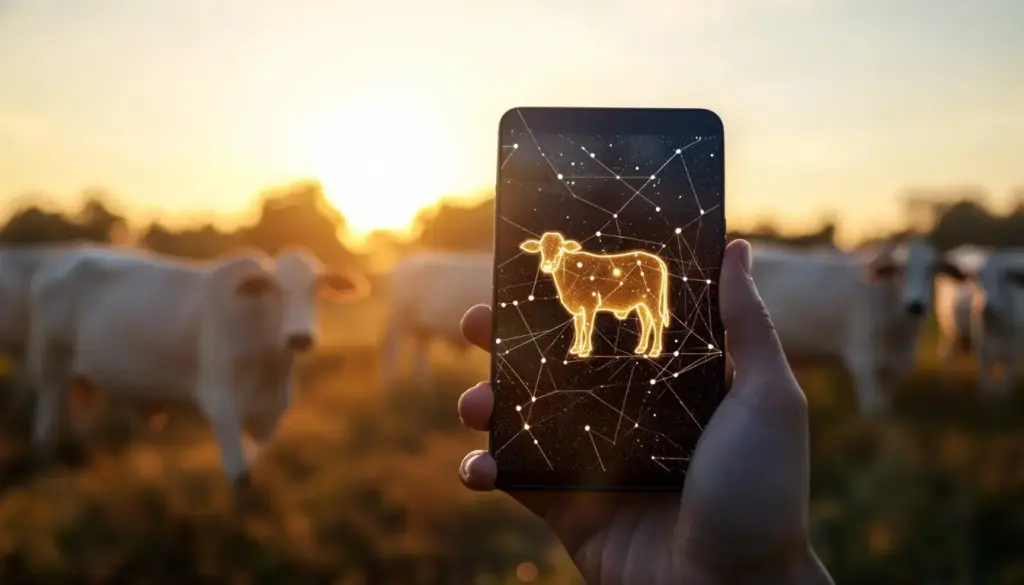
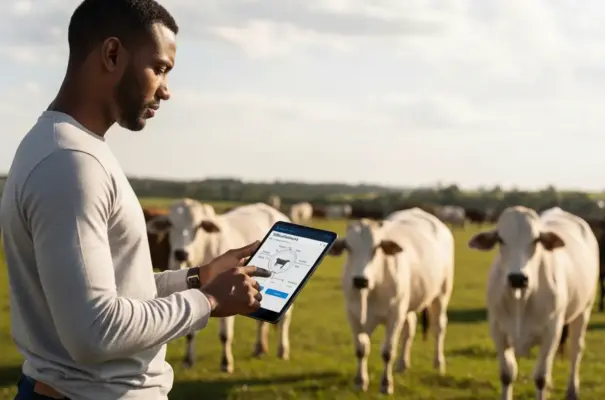
A partnership between QR Cattle, DataCurrency and Lopes & Zorzo Advocacia turned cattle into digital assets via blockchain. Using the animals’ nose-print biometrics, unique and immutable identifiers are created that attest to the quality of the specimens.
As a result, these assets can be traded both on traditional financial platforms and within the decentralized finance market (DeFi).
Agricultural exports
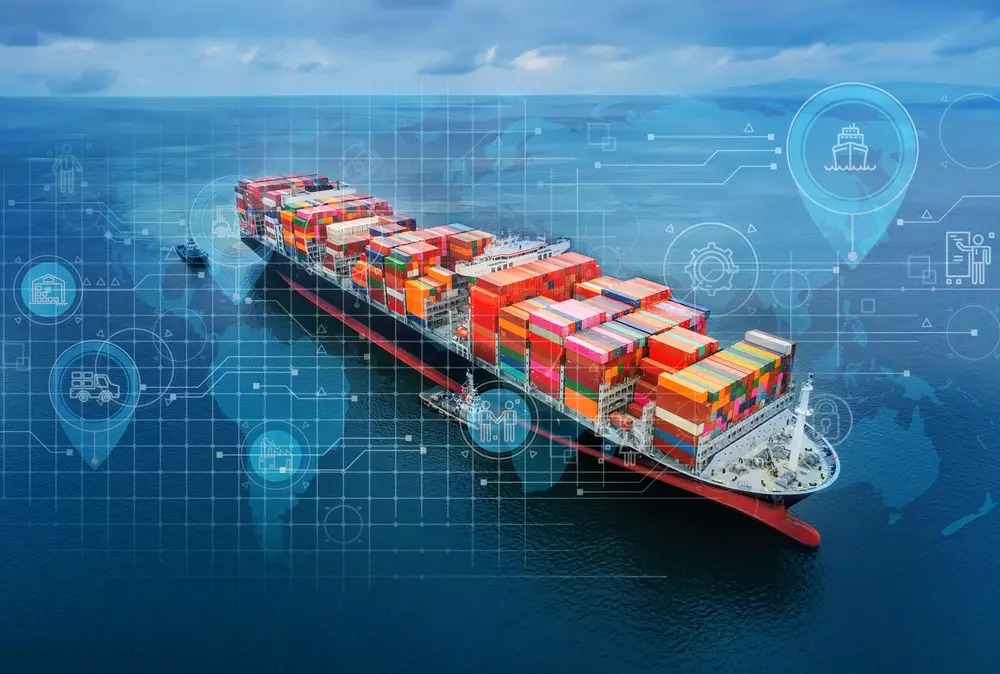
An article published by the Dourados Agora portal links the incorporation of blockchain technology and the Digital Real (Drex) to the need for digital adaptation. In Mato Grosso do Sul alone, exports totaled US$ 7.24 billion — representing an increase of 3.26% compared to the previous year. With more robust online ecosystems, results for the coming years could be even more optimistic.
Digital currencies and other tokenized assets can also serve as a basis to facilitate contract execution. This is because, in most cases, blockchain transactions are very inexpensive and do not rely on additional trusted intermediaries, which can be reflected in the final price of food when it reaches consumers’ tables.
The Embrapa portal points to Brazil as one of the world’s leading agricultural exporters. The most recent data cover the period from 1997 to 2023, during which the country accounted for 25% of agricultural products in circulation worldwide. With the integration of blockchain technology into business, these figures are expected to increase over the coming years.
References:
O que está por trás da qualidade da carne bovina?
Tokenização do agronegócio: blockchain e Drex nas exportações de Mato Grosso do Sul