Share


Although associated with haute cuisine in Brazil, lamb meat is popular in countries such as Turkey, New Zealand, Argentina and Uruguay, as well as in Middle Eastern nations (Iran, Saudi Arabia and Lebanon). According to an analysis by CEPEA/USP, per capita consumption in the country is 0.5 kg – while the global average is around 1.78 kg.
However, a study conducted by the Universidade do Oeste Paulista (Unoeste) indicates that consumer interest in ovine meat is growing. With more information, supply and access to the product, dishes tend to become increasingly diverse.
Estância 92 Cordeiro, Ambassador and Sovereign are some examples of product lines found on supermarket shelves.
Nutritional values of lamb meat
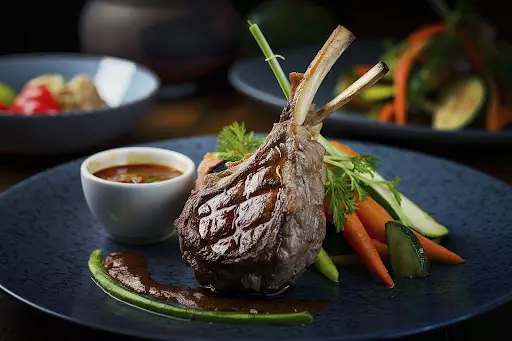
Each 100 grams of lamb provides about 28 grams of protein, including essential amino acids such as leucine, important for muscle synthesis. In addition, it is rich in heme iron, B-complex vitamins, zinc and selenium, according to information from the Saúde Teu portal.
Another advantage is the notable presence of fatty acids, such as omega-3, which help cardiovascular health. Natural antioxidants, like creatine, glutathione and L-carnosine, are also abundant, contributing to physical performance and protection against oxidative stress.
The table below contains detailed information about the nutritional benefits of lamb meat, comparing them with beef cuts:
| Nutrient (100 g) | Lamb | Beef (grilled picanha) |
| Calories | 188–287 kcal | 254 kcal |
| Protein | 19–28 g | 29 g |
| Total fat | 7.8–25 g | 15.4 g |
| Iron | 2.5 mg | 3.36 mg |
| Zinc | 5.2 mg | 6.07 mg |
| Vitamin B12 | 2–3 µg | 3.35 µg |
| L-Carnosine | ~400 mg | Lower concentration |
Sources:Só Nutrição,Saúde Teu and Nutritotal
Premium cuts of lamb
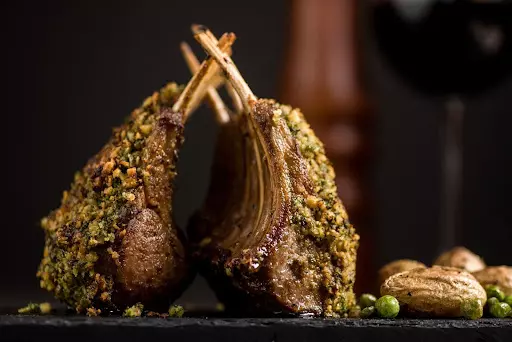
The French rack (carré francês) is considered the most famous lamb cut, taken from the upper part of the ribs. The finish with clean, exposed bones gives it a sophisticated appearance, suitable for special banquets.
The short rack and chops come from the area before the French rack; they are juicy and ideal for grilling or pan-searing. Their flavor is naturally more intense than beef. The loin is a boneless, meaty cut, covered by a layer of fat that pairs well with barbecues, refined sauces and spices.
The leg of lamb is the most traditional cut. It is recommended for long roasts, conventional preparations, stuffed or marinated dishes, and plays an important role in the religious culture of some countries. Lamb is the centerpiece of Greek Easter and, on some islands, they prepare arni gemisto (lamb stuffed with rice, offal and fresh herbs). The kuzu dolmasi, typical at Turkish weddings, includes rice, pine nuts, spices and sometimes liver, after being roasted whole.
Thus, lamb reveals itself not only as an ingredient of cultural and gastronomic tradition in different parts of the world, but also as a protein of high nutritional value, capable of enriching the diet with unique benefits. With the expansion of supply in Brazil, the product may emerge as an alternative that unites history and innovation.