
Share


Choosing the ideal cut for each occasion — whether a simple lunch, a family barbecue or a special gastronomic experience — depends not only on seasonings, cooking method or the cook’s skill. The type of meat also matters. Fresh and aged meats present important differences that should be considered already at the butcher or supermarket.
While some recipes benefit from the tenderness and convenience of fresh meat, others gain more flavor and softness from aged cuts. Check below the main characteristics of each and how to choose them simply.
What defines fresh meat?
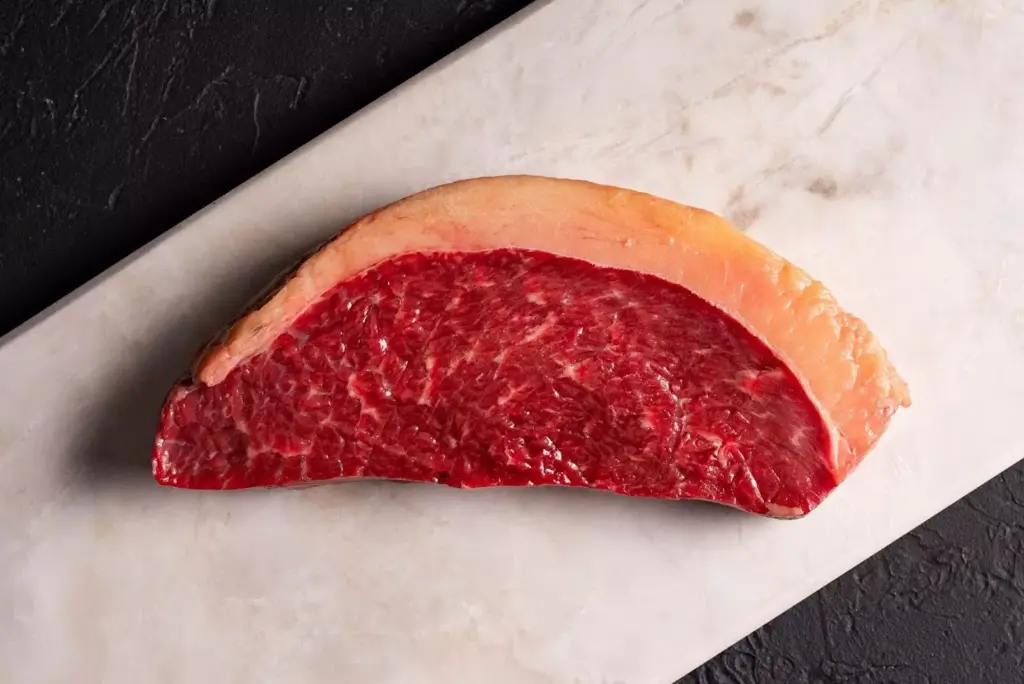
Fresh meats are those intended for consumption without undergoing prolonged controlled maturation processes. Therefore, they usually present a milder flavor and a naturally firmer texture, characteristics associated with the initial post-slaughter stage. They are, in general, the ones most commonly found in butcher shops and supermarkets for immediate consumption.
At this stage, the natural characteristics of the muscle are preserved, but because there has not yet been enough time for the natural tenderizing promoted by the meat’s own enzymes, preparation requires attention. Very quick cooking or cooking at high temperatures can toughen the fibers, which is why fresh meat is usually more suitable for stir-fries, stews, quick roasts and frying.
From a food safety standpoint, proper preservation is essential. Inspection and food safety bodies, such as the Serviço de Inspeção Federal (SIF) and international sanitary authorities, stress the importance of maintaining the cold chain to avoid contamination.
Thus, the main value of fresh meat lies in its convenience and generally more accessible cost, even though it does not always offer the complexity of flavor sought in more elaborate preparations.
Types of maturation
Unlike fresh meat, aged meat can be stored for a longer period, provided it is subjected to rigorously controlled conditions of temperature, hygiene and environment that allow the maturation process to advance without compromising food safety.
However, it is important to differentiate two complementary levels of maturation: the natural biological process that occurs in the muscle after slaughter, the way the industry controls this process to guarantee quality and safety for the consumer and the process that aims at food safety.
Processual (biological) maturation
Processual maturation — also called biological or post-mortem maturation — refers to the natural transformations that occur in the muscle after slaughter. According to the technical literature, this process is driven mainly by the action of the muscle’s own endogenous enzymes (calpains and cathepsins) which act over time to gradually break down the structural proteins of the muscle fibers. The process, known as proteolysis of myofibrillar proteins, is directly associated with a reduction in tissue stiffness and the progressive increase in meat tenderness, as well as contributing to the development of sensory characteristics such as aroma and flavor.
As a bibliographic review that explains the different beef aging techniques points out, calpain acts in muscle degradation causing a weakening of that structure and, consequently, the tenderizing of the meat, while calpastatin has an inhibitory function on calpain, preventing the degradation of fibers — that is, making the meat less tender. The higher the activity of calpastatins, the tougher the meat will be, indicates researcher Melina Starling de Moraes in her monograph.
It is a natural biochemical phenomenon that depends essentially on adequate time and temperature. This process, by itself, is not focused on sanitation.
It is essential to distinguish that processual maturation is an intrinsic biochemical phenomenon that depends strictly on the relationship between time and temperature to occur. Although its correct execution is a prerequisite for food safety (by allowing the pH to drop), the term “processual maturation” describes the evolution of the product’s sensory and structural quality, differing from sanitary maturation, which is the legal protocol established for pathogen control and official inspection.
Sanitary maturation
Unlike processual maturation, sanitary maturation is a protocol required by Brazilian legislation and by export markets to guarantee the hygienic-sanitary safety of the product. Its main objective is to ensure that carcasses reach the biochemical parameters necessary for pathogen inactivation and the proper transformation of muscle into meat.
In this process, half carcasses are stored unpackaged in climate-controlled cooling chambers, where they must remain for a minimum period of 24 hours at temperatures between 2.1°C and 5°C. The scientific basis of sanitary maturation rests on two main pillars:
- Control of pH and acidity: with the interruption of blood supply after slaughter, muscular glycogen is converted into lactic acid. This accumulation promotes a pH drop — which declines from values close to 7.0 to a range between 5.4 and 5.8 during rigor mortis. This acidic environment is hostile to the survival and growth of most pathogenic microorganisms.
- Thermal control: maintaining low temperatures during the process inhibits microbial growth, since most contaminating agents proliferate at room temperature.
Commercial (industrial) maturation
Commercial maturation refers to the organization and standardization of this biological process by the industry for market purposes. It generally takes place after sanitary maturation and deboning, using technologies that optimize the final quality of the product.
In practice, this involves the use of suitable packaging — generally vacuum — and strict monitoring of temperature (often kept between 0 °C and 2 °C for long periods) and time, creating a safe environment for the action of the meat’s natural enzymes, as explained in the article “Beef: different types of maturation and their impact on meat quality attributes”.
According to Minerva Foods, in the frequently asked questions section on its website (FAQ), “… this process occurs exclusively inside the vacuum packaging, in the absence of oxygen and under controlled cooling temperature. During maturation, the meat’s natural enzymes act on the muscle fibers, gradually breaking them down and providing more tenderness, flavor and juiciness each day”.
The main benefits of this type of maturation are improved tenderness and flavor of the meat, as well as reduced differences in tenderness within the same cut type, providing product uniformity and, consequently, adding differential value, according to research from the Federal University of Mato Grosso do Sul.
Dry and vacuum maturation
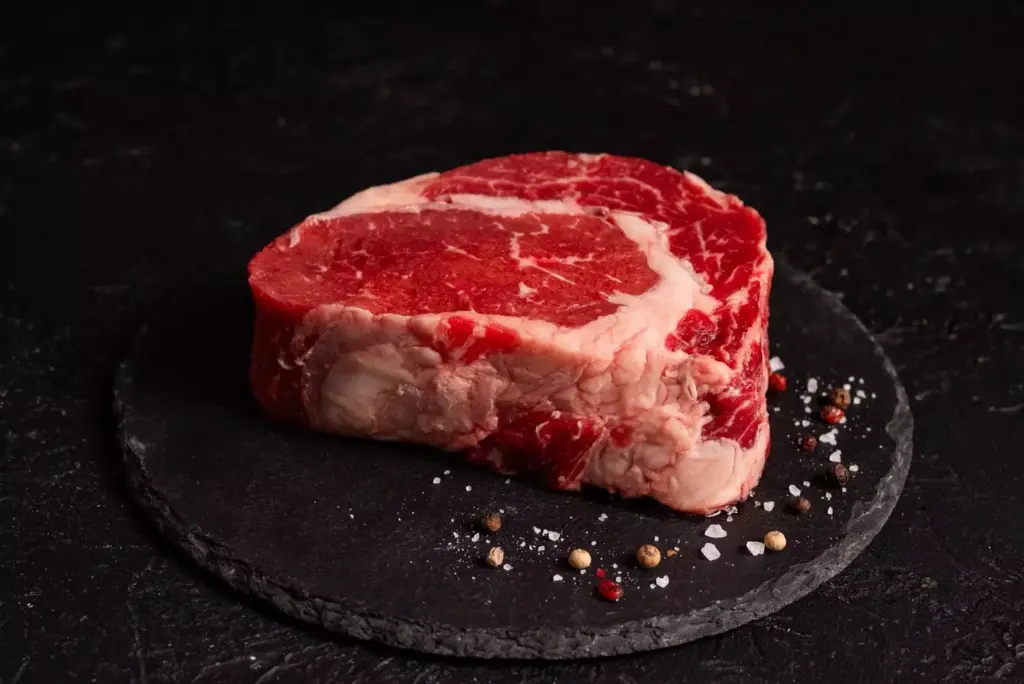
Commercial maturation can occur mainly in two ways: vacuum (wet aged) or dry (dry aged). Both drive the same natural process, but with distinct sensory impacts.
In vacuum-pack maturation (wet aged), the meat is packaged without oxygen and kept under controlled refrigeration, creating a stable environment that favors the uniform action of the muscle’s natural enzymes. In this context, progressive tenderizing of the meat occurs, with less moisture loss and good preservation of juiciness. Scientific studies show that, during vacuum aging, there is a significant reduction in shear force, a classic indicator of tenderness, in addition to maintaining a milder sensory profile closer to the original flavor of the meat
According to the UFMS/FAMEZ article, after the piece is prepared and oxygen removed, meats subjected to vacuum maturation remain between 14 and 21 days, at temperatures between –1 ºC and 2 ºC, which contributes to extending shelf life and advancing enzymatic tenderization, provided sanitary control conditions are respected. These characteristics explain why vacuum maturation is the method most widely adopted by the industry, as described in this article.
In dry maturation (dry aged), the meat remains unpackaged in open refrigerated chambers with strict control of temperature, humidity and air circulation. In this process, gradual moisture loss occurs, which leads to flavor concentration and the development of more complex aromas. According to the UFMS/FAMEZ article, this method can last from one to five weeks, requiring continuous environmental monitoring to ensure product stability.
This scientific review indicates that dry aging results in a more intense sensory profile, although it is associated with greater weight and yield loss, as well as a higher risk of oxidation when there is not adequate technical control. For this reason, it is a more restricted method, generally applied to premium cuts, premium barbecues and production systems with high technical control.
Regulation and safety
In Brazil, the production and storage of aged meat follow rules defined by the National Health Surveillance Agency (Anvisa). The technical regulation establishes criteria such as the use of appropriate packaging, temperature control (starting at 0 °C and maintenance between -1 °C and 4 °C) and labeling with the maturation start date.
Anvisa also periodically updates guidance on shelf-life studies, which are essential to ensure consumer safety and an important reference for manufacturers and retailers who need to adapt to the incorporation of new technologies that can improve storage and labeling mechanisms.
Sources of reference:
- Cada churrasco, uma churrasqueira
- Beef: different types of maturation and their impact on meat quality attributes
- Effect of wet-aging on meat quality and exudate metabolome changes in different beef muscles
- Beef meat maturation
- Mechanism of maturation to improve meat tenderness and flavor characteristics
- Frequently Asked Questions – Minerva Foods
- Ordinance SDA No. 723, of December 23, 2022
- The Effects of Processing and Preservation Technologies on Meat Quality: Sensory and Nutritional Aspects