
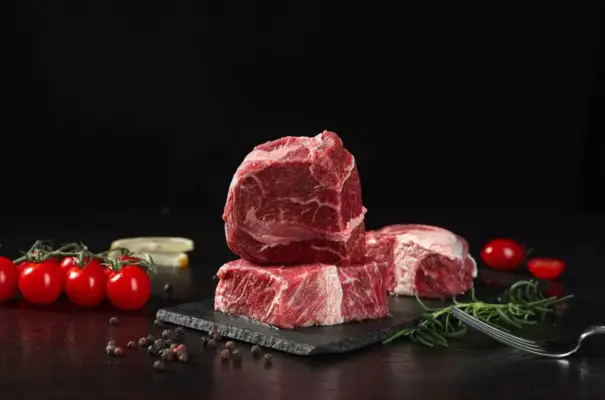
Share


When it comes to food and health, the word “protein” appears all the time. What few may know is that the real value of this macronutrient lies in amino acids, molecules the body uses to build and renew practically all of its proteins.
Among the 20 amino acids that make up human proteins, nine are classified as essential. This is because they cannot be produced by the human body in sufficient quantities and therefore must be obtained through the diet, according to a study published on Science Direct.
The role of amino acids in the body
Proteins are “broken down” during digestion and transformed into free amino acids or small peptides, which then enter the circulation and join the body’s amino acid “pool.” From there, amino acids are used to build body proteins—from muscles to enzymes, antibodies, oxygen carriers and hormones—as well as serving as precursors for other biologically important molecules, such as serotonin, melatonin, dopamine, norepinephrine, epinephrine, among others. According to a publication on Science Direct, this mechanism is the reason why the absence of a single essential amino acid can halt protein synthesis.
Protein quality matters
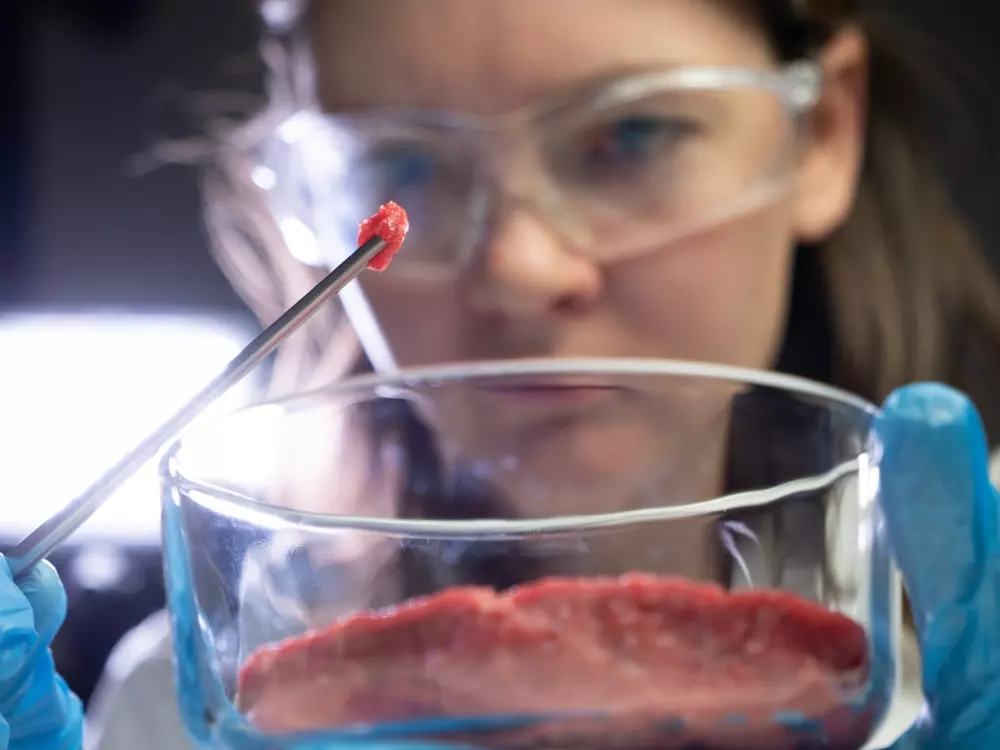
However, not all protein sources provide essential amino acids in proportions most suitable for human metabolism. For this reason, international organizations have emphasized the concept of protein quality, which considers both the profile of essential amino acids and the protein’s bioavailability, that is, the portion of the nutrient the body can absorb.
The Food and Agriculture Organization (FAO) points out that animal-derived proteins have an essential amino acid profile similar to that of human proteins, which favors their biological utilization.
Meat as an efficient source of essential amino acids
According to the FAO, animal-source proteins, such as beef, provide all the essential amino acids in proportions compatible with human needs and with good absorption rates by the body, which explains their role in protein synthesis. They are:
- Histidine: helps create a brain chemical (neurotransmitter) called histamine. Histamine plays an important role in immune function, digestion, sleep and sexual function.
- Isoleucine: is involved in muscle metabolism and immune function. It also helps in hemoglobin production and energy regulation.
- Leucine: aids in the production of proteins and growth hormones, including the growth and repair of muscle tissue, helping to heal wounds and regulate blood sugar levels.
- Lysine: is involved in the production of hormones and energy. It is also important for calcium and immune function.
- Methionine: helps with growth, metabolism and detoxification of the body’s tissues. It also supports the absorption of essential minerals, including zinc and selenium.
- Phenylalanine: is necessary for the production of brain chemical messengers, including dopamine, epinephrine and norepinephrine. It is also important for the production of other amino acids.
- Threonine: plays an important role in collagen and elastin, proteins that provide structure to the skin and connective tissue. It helps in blood clot formation, fat metabolism and immune function.
- Tryptophan: helps maintain the body’s proper nitrogen balance and create a brain chemical called serotonin, which regulates mood, appetite and sleep.
- Valine: is involved in muscle growth, tissue regeneration and energy production.
The FAO even recommends assessment methods based on the digestibility of essential amino acids, such as the Digestible Indispensable Amino Acid Score (DIAAS), to compare protein sources more accurately.
According to this article published in Frontiers in Nutrition, animal foods like meat, milk and eggs score above 100 on the DIAAS scale, while most plant proteins score around 75. A protein scoring above 100 on the DIAAS means it not only meets but exceeds human needs for essential amino acids after digestion. For this reason, the score can exceed 100 points, which refers to human requirements.
It is worth noting that plant-based foods also contribute to amino acid intake, but they may be limited in one or more essential amino acids. Therefore, food-combining strategies throughout the day are often necessary to achieve a more balanced profile. According to a MedlinePlus publication, these combinations do not need to occur in the same meal, provided the overall diet is adequate.
Sources: