
Share


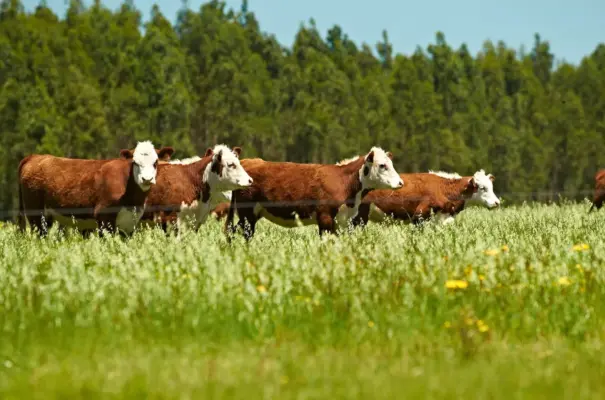
Synthetic feeds are being replaced by natural options to improve animals’ nutritional qualities. Pasture-fed cattle tend to have higher omega-3 content and a better fatty acid profile compared with animals finished in feedlots on grain-based and industrialized feeds.
A review cited in the ScienceDirect briefing points out that this is due to differences in the animals’ diet and lipid metabolism. Since it is the cattle’s natural diet, it tends to produce more pronounced positive responses than concentrated solutions.
Pasture-fed cattle and the nutritional quality of meat
The relationship between feeding management and meat quality has attracted attention from both consumers and researchers. There is evidence that a diet based on legumes, ryegrass, clover and plantain, in addition to increasing the proportion of omega-3 fatty acids in intramuscular fat, also raises levels of conjugated linoleic acid (CLA) and antioxidants.
Moreover, the meat from these animals tends to have reduced total fat, as well as lower saturated fats. The cited review reports mean omega-3 values of 15.2% of total fat in pasture-fed animals – compared with 12% to 12.9% in systems with silage or concentrated feed.
Why does pasture change the lipid profile?
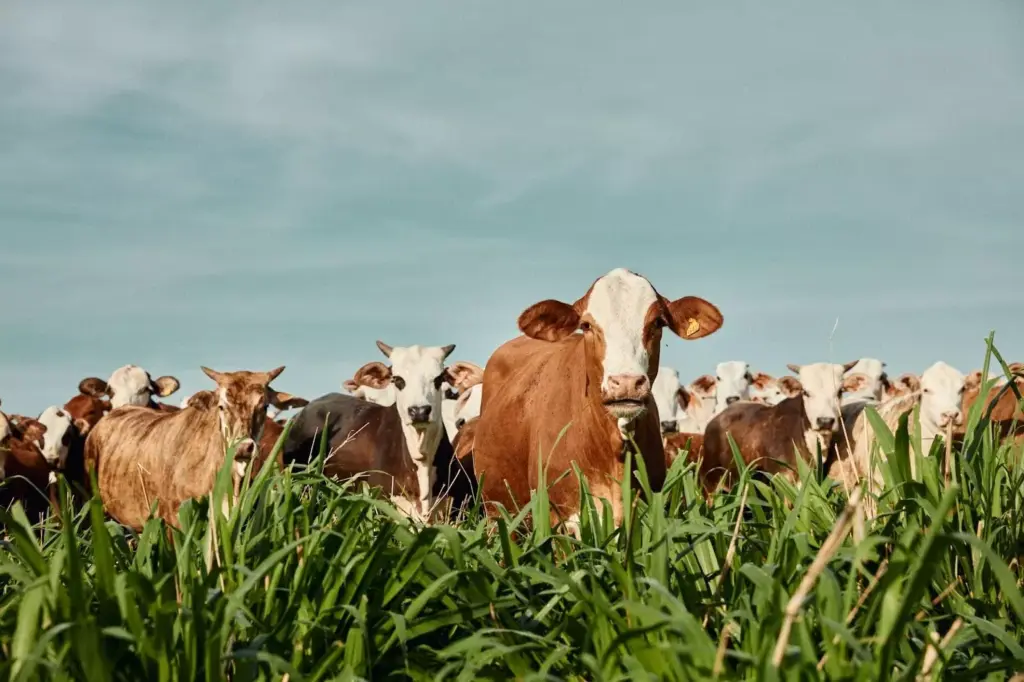
The difference has a physiological basis: leaf-rich forages contain precursors of polyunsaturated fatty acids and carotenoids that are incorporated into the animals’ adipose tissue. Moreover, ruminal metabolism converts some grass fatty acids into beneficial isomers, such as trans-vaccenic acid, a precursor of CLA, and promotes a higher omega-3 content per gram of fat.
These effects are considered consistent across different breeds and regions, although the magnitude varies with the forage species, finishing time and animal management.
A study published by Springer Nature distinguishes fatty acid and antioxidant profiles between grass-fed and grain-fed cattle: over three decades, the researchers concluded that natural feeding is the best way to make the most of all the meat’s properties.
Benefits for human health
Omega-3 and CLA are directly associated with cardioprotective and anti-inflammatory effects. It is important to mention that the contribution of meat to total intake of these nutrients depends directly on the portion consumed and the fat content of the cut.
Consumers seeking products with a more favorable lipid profile often prefer meats labeled as grass‑fed (or pasture‑raised), such as Minerva Foods’ Cabaña Las Lilas line, which also impacts the market and the final price. Prices for these cuts tend to be higher; however, an AgEcon study shows consumers are willing to pay more for higher-quality meat.
Pasture-fed cattle does not refer only to nutritional benefits: differentiated management practices can promote biodiversity, nutrient cycling and soil carbon sequestration. In other words: beyond the benefits when consuming the meat, nature is preserved, which also affects the health and quality of life of all who belong to those ecosystems.
Sources:
- Animal board invited review: The contribution of red meat to adult nutrition and health beyond protein – ScienceDirect
- A review of fatty acid profiles and antioxidant content in grass-fed and grain-fed beef | Nutrition Journal
- Understanding Markets for Grass-Fed Beef: Taste, Price, and Purchase Preferences