Share


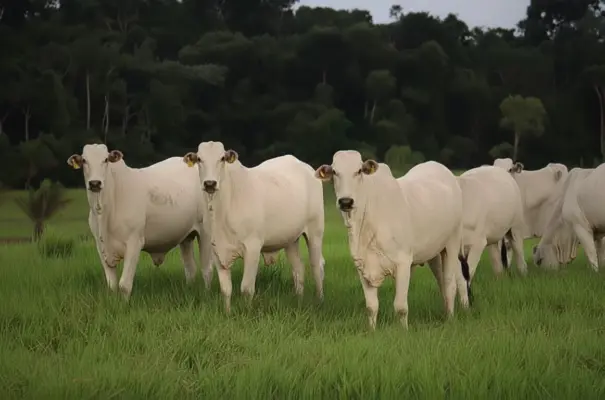
Ruminant livestock take part in a very particular climatic process: the methane gas emitted by cattle is not “new” to the atmosphere. It originates in a biogenic carbon cycle that renews itself in a few years.
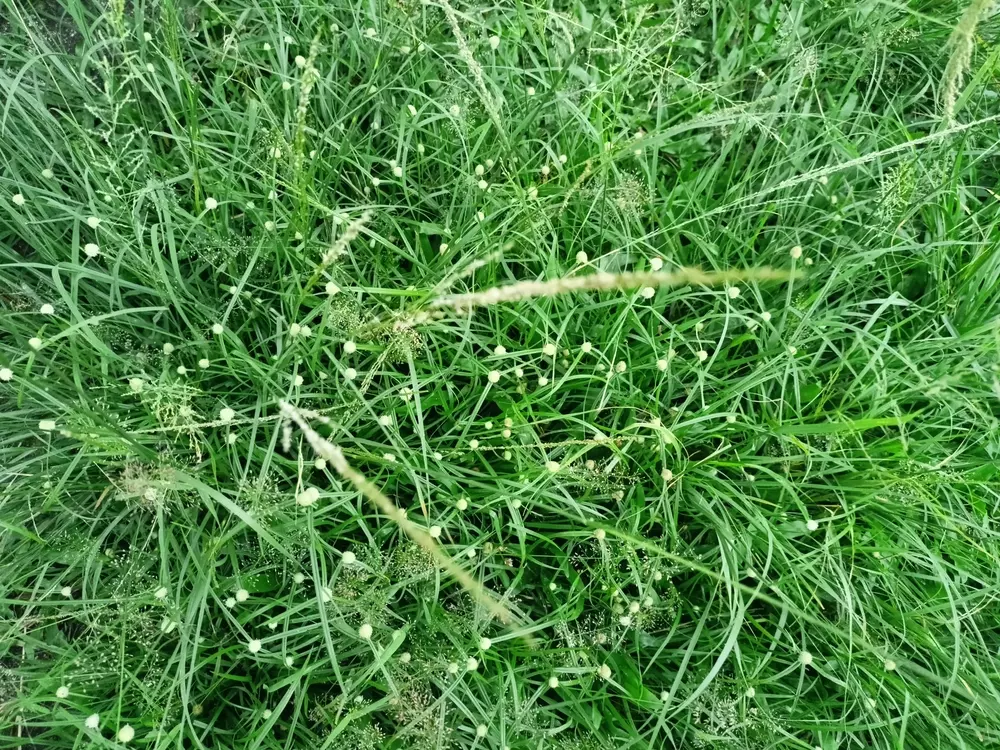
The cycle works as follows in resilient systems: pastures and other plants capture CO₂ to grow. In other words, pasture recovery increases the system’s carbon stock, since, with the accumulation of organic matter in the soil, CO₂ losses to the atmosphere are halted. That carbon therefore becomes food for the animal. During digestion, part of that gas returns to the atmosphere as methane through eructation (commonly known as burping).
According to the methane emissions overview published by FGV, after about 10 to 12 years that methane converts again into CO₂ and water, which can be reused by vegetation. This same logic is demonstrated by international research centers, such as CLEAR/UC Davis, which explains that, as “new” methane enters the air, older methane is removed in the same proportion, keeping the system in balance when the herd is stable.
This is why researchers and international organizations emphasize that livestock-derived methane should be analyzed differently from fossil-derived CO₂. While the former is part of the biogenic carbon cycle, fossil CO₂ results from the extraction of carbon that remained stored underground for millions of years in the form of coal, oil and natural gas, for example.
Under natural conditions, that carbon would not be circulating between the atmosphere, the biosphere and the oceans. When it is extracted and used as an energy source, it structurally alters the climate balance by introducing “new” carbon into the atmosphere and, consequently, increasing the total stock of greenhouse gases. That net addition — in addition to the CO₂ atmospheric lifetime — is the main factor that differentiates the climatic impact of fossil emissions.
Where livestock figures into the calculations (and why the trajectory matters)
For short-lived gases like methane, what matters most is the emissions trajectory. Researchers at Oxford proposed a metric called GWP* (Global Warming Potential Star), showing that stable methane emissions add almost no warming over time, and that small reductions can even neutralize the additional effect.
However, although it is a “short-lived climate pollutant,” as The Intergovernmental Panel on Climate Change (IPCC classifies it, methane has a high warming power, even greater than that of carbon dioxide. For this reason, it is included in global greenhouse gas emission accounts. According to estimates from the Food and Agriculture Organization (FAO), agriculture accounts for a significant share of anthropogenic methane, including the contribution from livestock.
To mitigate this impact, the sector has been mobilizing on two main fronts. One is reducing emissions. Examples include optimizing bovine nutrition for a more efficient digestive process, studies on the use of prebiotics and probiotics and the development of vaccines with the same focus on animal digestion. The other front focuses on measures to retain more carbon in the soil. The principle is that well-managed pasture contributes to soil carbon sequestration. The adoption of techniques such as Crop-Livestock-Forest Integration (ILPF) and the recovery of degraded pastures are examples in this regard. In addition to acting as an important reservoir of CO₂, helping mitigate climate change, soil carbon improves soil fertility and structure, increases the retention of water and nutrients and reduces erosion.
The Renove Program, from Minerva Foods, whose components are Green Finance, Capacity Building and Technical and Institutional Partnerships, follows these two directions by engaging farms to adopt measures that mitigate emissions, which, in turn, also represent gains in productivity, profitability and market access.
A case study of the program showed that, in 11 farms evaluated, the amount of carbon absorbed in the soil was greater than that emitted by the cattle, resulting in a negative emissions balance. The quantification of carbon removed by good livestock practices used by Renove is convergent with Embrapa’s Carbon Neutral Meat (CCN) protocols, which use forest and management to offset emissions.

According to a Carbon Brief publication, the set of improvements — animals that fatten faster and are slaughtered earlier, lower emissions per kilogram of meat and soil managed to retain carbon — is even more relevant when we remember that, in the case of methane, what matters for the climate is the trajectory of emissions over time. If the sector keeps emissions stable or manages to reduce them slightly year after year, methane practically stops adding additional warming, as shown by researchers at the University of Oxford who proposed the GWP* model. More than that: it represents an important mechanism of global cooling.
By focusing on the science of the short methane cycle and investing in efficient management and nutrition, modern livestock comes to be seen not as a climate problem, but as an essential part of the solution for a Net Zero future — which, in addition to being a public commitment of Minerva Foods, is the global goal of zeroing the net balance of greenhouse gases humanity releases into the atmosphere, achieving equilibrium between what is emitted and what is removed, in order to stabilize the climate.