Share


Meat quality is built throughout the animal’s life, especially during handling, transport and pre-slaughter stages. Proper animal welfare practices not only reduce animal stress but also preserve essential meat attributes such as texture, juiciness, color and flavor, with direct impacts on the economic efficiency and sustainability of the production chain.
Animal stress and changes in meat
Stress is one of the main factors linking animal welfare and meat quality. Situations such as inadequate handling, improper use of tools, overcrowding, long transport periods and prolonged fasting trigger physiological responses in animals, releasing hormones such as cortisol and adrenaline. These changes directly interfere with muscle metabolism and the physicochemical process of converting muscle into meat after slaughter.
According to a scientific review published on ScienceDirect, pre-slaughter stress can compromise the normal decline in meat pH, favoring the occurrence of DFD (dark, firm and dry) meat, characterized by dark color, firm texture and reduced shelf life. It also reports that inadequate conditions before slaughter compromise welfare and negatively affect the final quality of the product.
National studies also demonstrate this relationship. Research carried out by institutions such as PUC Goiás and PUC Minas show that inadequate handling practices increase the incidence of bruising, partial carcass condemnations and sensory alterations of the meat, reinforcing that animal welfare is a determining factor for food quality.
Handling and transport: critical points in the chain
Among the most sensitive stages of the production system are the transport of animals and pre-slaughter handling. Systematic reviews show that factors such as trip duration, road conditions, stocking density in vehicles, ambient temperature and driver training directly influence the level of physiological stress responses in animals. The review published in Animals is one such work, highlighting how inadequate practices during transport are associated with higher mortality, injuries and poorer meat quality, while welfare-based protocols reduce losses and improve the product’s physicochemical parameters.
Careful handling during loading and unloading, combined with appropriate transport times, contributes to a more balanced muscle metabolism in the pre-slaughter period, promoting an adequate pattern of post mortem acidification. This process directly influences texture, water-holding capacity and meat juiciness, as discussed in the study in the Journal of Animal Science.
In the Brazilian context, research such as that published by Editora Científica points out that inadequate transport is one of the main sources of stress in the cattle chain, with direct effects on economic losses and the standardization of meat destined for the domestic and export markets.
Animal welfare as a quality strategy
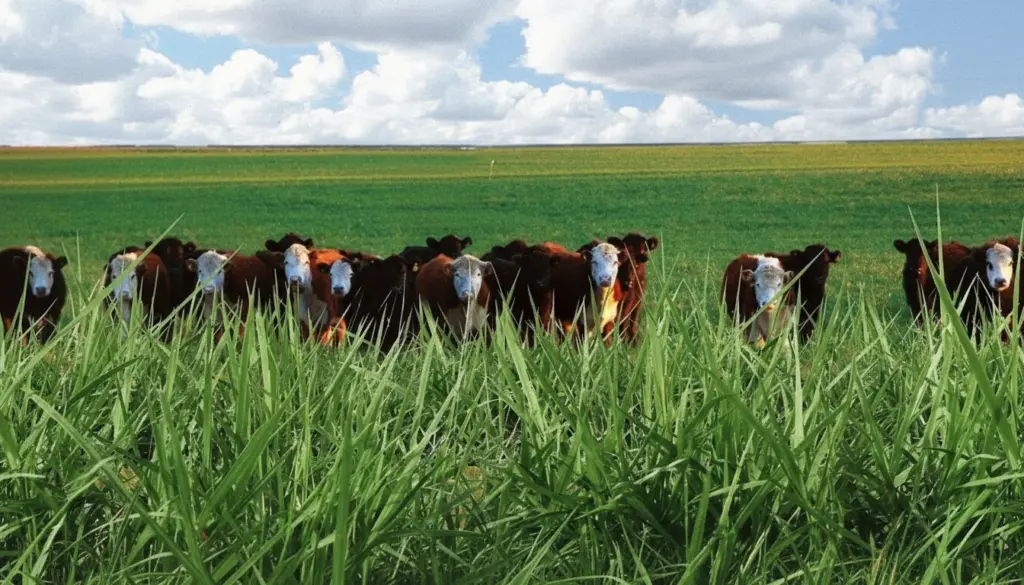
More than an ethical or regulatory requirement, animal welfare has been recognized as a strategy for quality and competitiveness. According to a study in Frontiers in Veterinary Science, physiological and behavioral indicators of welfare are directly related to meat quality parameters, reinforcing the importance of integrated approaches along the production chain.
In this context, the adoption of standardized handling and transport protocols supports the promotion of animal welfare and the assurance of meat quality. Structured practices, based on scientific evidence and accompanied by continuous team training, contribute to reduced stress and better outcomes across the chain.
Science, consumers and sustainability
As consumers become more attentive to the origin of their food, animal welfare is increasingly central to the livestock sector’s sustainability strategies. Science has shown that investing in proper handling and responsible transport not only meets social expectations but also improves product quality, reduces losses and strengthens the reputation of production chains.
In this scenario, the convergence between animal welfare, meat quality and applied science consolidates as a one-way path. Evidence-based practices show that better care for animals is simultaneously an ethical, technical and economic decision, with benefits that travel from the farm to the plate.
Read also: Animal welfare impacts 66 SDG targets, study says
- Reference links:
- Conscious meat: what you need to know about animal welfare
- Pre-slaughter conditions, animal stress and welfare: current status and possible future research
- ANIMAL WELFARE AND ITS INFLUENCE ON BEEF PRODUCTION
- Literature review: The influence of animal welfare on beef quality
- Influence of transport on the welfare and meat quality of cattle
- Five domains: the science of animal welfare in practice
- Animal Welfare Assessment and Meat Quality through Assessment of Stress Biomarkers in Fattening Pigs with and without Visible Damage during Slaughter