Share


A fall in the bathroom, a stumble in the living room, the effort of lifting a grandchild into your arms. In many cases, osteoporosis only becomes apparent after a fracture has already occurred. The International Osteoporosis Foundation estimates that about one in three women and one in five men over 50 will experience at least one fragility fracture during their lifetime.
According to the Sociedade Mineira de Reumatologia, this condition is characterized by low bone mineral density and deterioration of the microarchitecture of bone tissue, which makes bones more fragile and susceptible to fractures. In fact, it is one of the main causes of bone injuries in postmenopausal women and in older men. These events can occur in any area but are most common in the hip, the vertebrae of the spine and the wrist, as described in a UFS Health publication.
Therefore, prevention strategies begin long before old age and involve several factors such as regular physical activity, controlled sun exposure for vitamin D synthesis, and, of course, an adequate diet.
Why beef stands out in this scenario
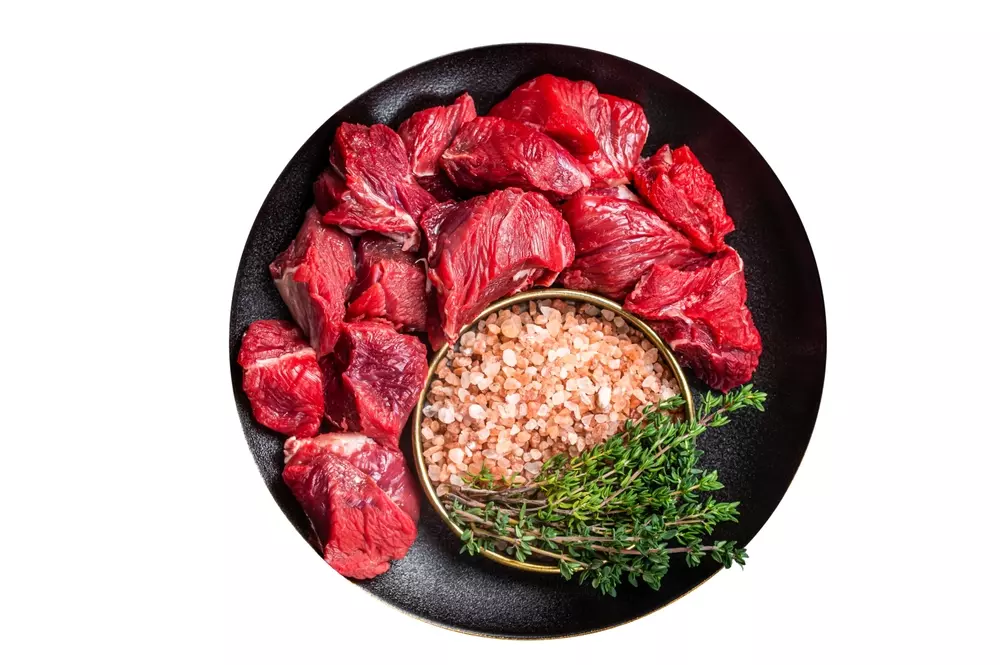
When we talk specifically about lean, high-quality beef, several points are particularly relevant for bone and muscle health, according to the International Osteoporosis Foundation. Beef provides all essential amino acids in adequate proportions, which are crucial for collagen synthesis and for maintaining the bone matrix, and is an important source of zinc, phosphorus, iron and B vitamins, especially B12 and B2, involved in bone remodeling processes, energy metabolism and the maintenance of muscle mass. In addition, the same protein that helps preserve bone is essential for muscles. Higher protein intakes, together with calcium and vitamin D, are associated with greater bone mineral density, less bone loss over time and a lower risk of fractures in older adults.
Thus, when included in a varied diet, beef does not act in isolation but as part of a dietary context that favors stronger bones and muscles.
The study “The association between dietary patterns and osteoporosis in postmenopausal women”, conducted in China with 1,905 postmenopausal women, investigated the relationship between frequency of meat intake and osteoporosis. Participants were divided into four groups according to consumption frequency: “rarely”, “1 to 2 times per week”, “every other day” and “always”. The prevalence of osteoporosis was 31.16% in the group that rarely consumed meat and 23.91% among those who consumed it every other day. The absolute difference between the groups is 7.25 percentage points, which corresponds to a relative reduction of about 23.2% in disease prevalence among women with regular intake compared with those who almost never ate it. In other words, in this group of women, frequent presence of meat in the diet was associated with a lower likelihood of osteoporosis.
Broad reviews on protein and bone health, such as that from the National Osteoporosis Foundation, and the expert consensus paper endorsed by the European Society for Clinical and Economical Aspects of Osteoporosis, Osteoarthritis, and Musculoskeletal Diseases and by the International Osteoporosis Foundation, reinforce that diets higher in protein, including animal protein, when combined with adequate calcium intake, tend to be more protective for bone mineral density than dietary patterns with low protein intake.
Osteoporosis and meat consumption
Although lean beef is an excellent source of protein and nutrients, it is important to consider the quality of the cut consumed. Fattier cuts can contain a higher proportion of saturated fat, which should be consumed in moderation to avoid cardiovascular risk. From a nutritional perspective, studies and experts emphasize that adequate protein intake throughout the day is relevant for maintaining muscle mass and bone health, especially in older adults. In general, it is recommended to distribute protein intake across meals, with about 20 g of protein per meal, which can be achieved with portions of lean beef combined with other foods on the plate.
In other words, a balanced diet rich in protein, calcium, vitamin D and other essential nutrients can be a decisive factor in preventing osteoporosis. However, it is important to remember that diet should be part of a healthy lifestyle, which includes regular physical activity—especially bone-strengthening exercises such as resistance training—and moderate sun exposure to ensure adequate vitamin D levels. Medical guidance is also recommended to determine the most appropriate diet and treatment for each case.
Sources of reference:
International Osteoporosis Foundation
Osteoporosis: Understanding the disease and its risk factors
Osteoporosis in men – USF Health
The role of protein in bone health
The association between dietary patterns and osteoporosis in postmenopausal women