Share


Carbon neutrality has been one of the main goals of companies committed to mitigating climate change. Whether due to awareness that changing climate patterns and the intensification of extreme events pose a risk, or to the aim of differentiating themselves and winning new markets, investors or lines of financing, or even because of regulatory pressures.
But what is a carbon-neutral product?
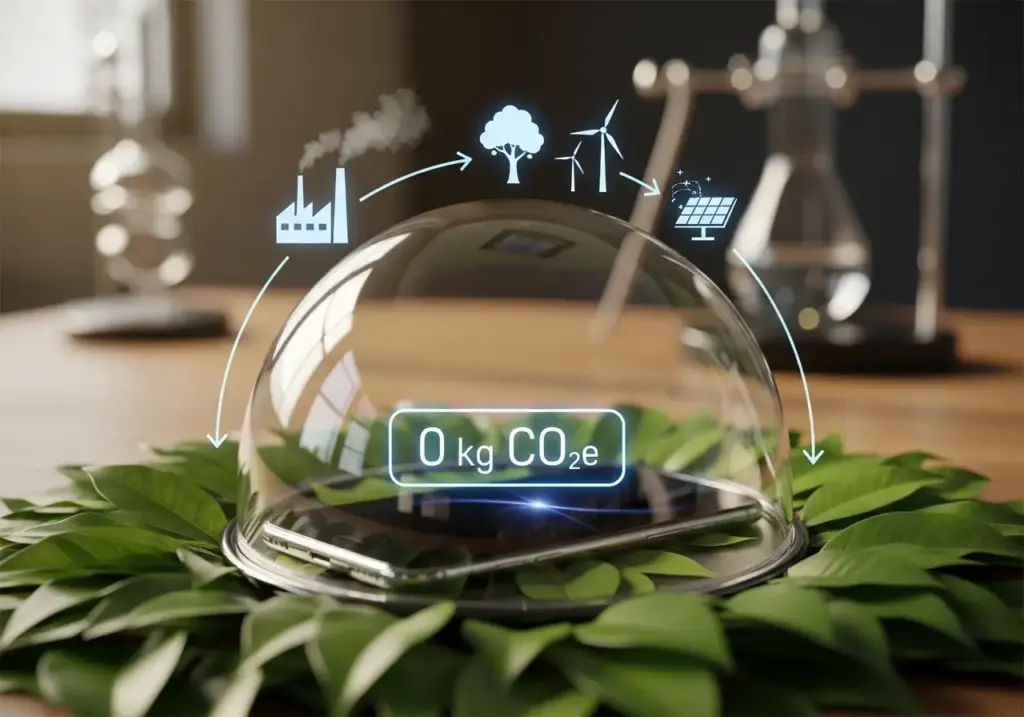
Carbon-neutral products are those whose greenhouse gas emissions during their life cycle are balanced by amounts of gases avoided, captured or offset.
To make that calculation, there are recognized tools. One of them is the GHG Protocol (Greenhouse Gas Protocol): a methodology used as a standard by several countries, including Brazil, to account for and report scope 1 emissions (those emitted by the company’s own operations), scope 2 (those emitted due to energy consumption) and scope 3 (emitted by the value chain). Consequently, it helps manage the emissions of companies, cities and other organizations.
In addition to the GHG Protocol, there is the international standard ISO 14068-1:2023 – Climate change management — Carbon neutrality, which defines the principles, requirements and guidance to achieve and declare carbon neutrality.
Before ISO 14068, PAS 2060 (British Standards Institution – BSI) was used as the first internationally recognized technical standard for carbon neutrality certification.
From cradle to grave or from cradle to gate
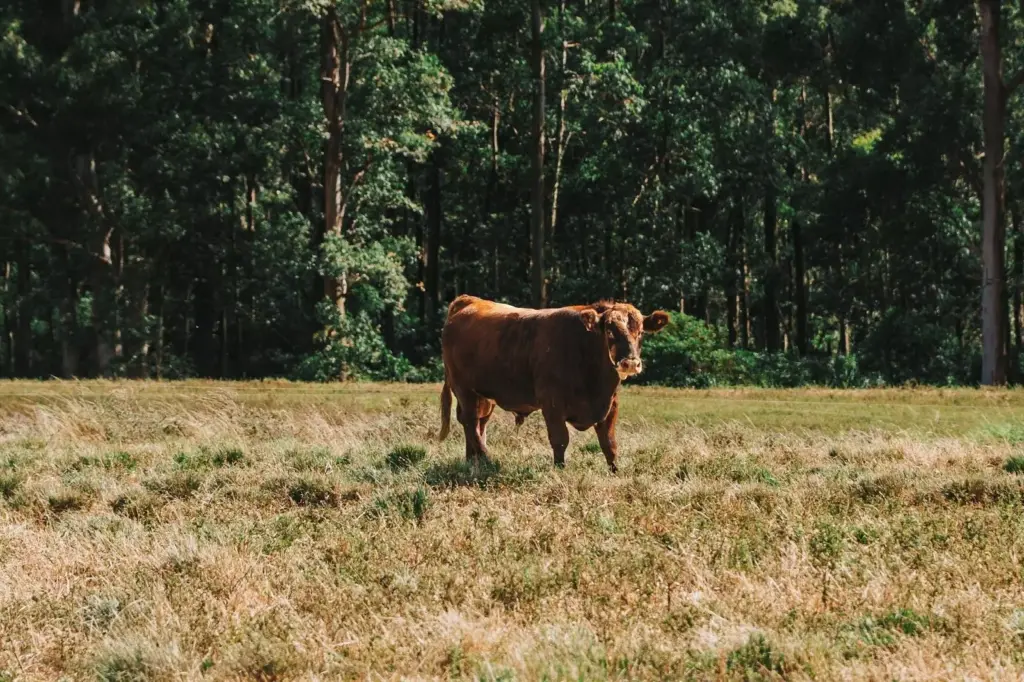
According to IPCC definitions (2021), carbon neutrality refers to the condition in which anthropogenic CO₂ emissions associated with a given entity — which can be a country, organization, sector or product — are fully balanced by anthropogenic CO₂ removals. At non-global scales, such as for agricultural products, carbon neutrality is generally assessed from a life-cycle perspective, incorporating both direct and indirect emissions. In this sense, the “cradle-to-grave” (cradle-to-grave) approach is adopted, which considers all stages of the product life cycle, from the extraction or production of raw materials to post-consumption. In the case of beef, this approach includes, for example, emissions associated with raising the animal, processing, distribution and final consumption, which must be compensated by equivalent removals in order to speak of carbon neutrality.
However, given the impossibility of measuring emissions at the consumption stage, sectoral programs map and delimit emission sources up to the retail distribution stage, since this is the point at which the producer and industry have direct control over emissions. In this case, the cycle is called “cradle-to-gate” (cradle-to-gate).
Carbon neutral on the shelves
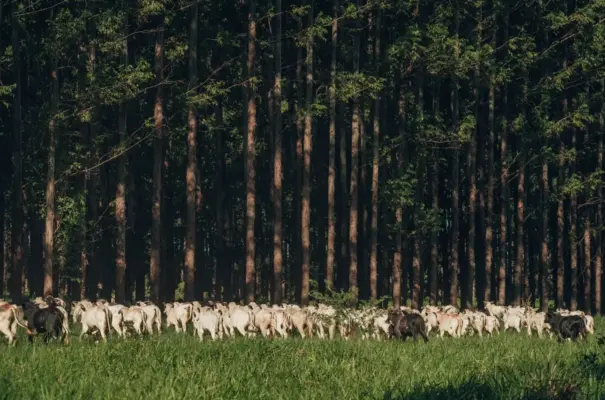
The concept Carbon Neutral Beef (CCN), created by Embrapa and recognized by the FAO, is represented by a seal referring to the production of beef cattle under systems of mandatory integration with trees, that is, considering only the on-farm production stage.
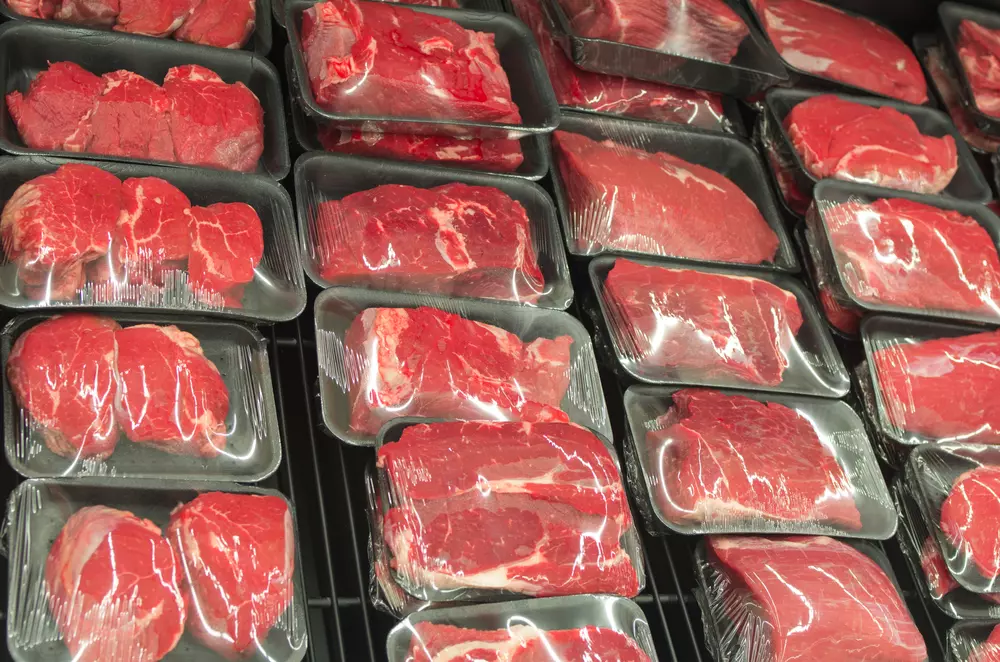
Meanwhile, the carbon-neutral seal, granted by Minerva Foods through the Renove program, requires that the entire carbon footprint of production — from the farm, through processing and transport to the final customer — be measured, reduced and offset. The company also offers the Low Carb seal, which certifies a reduced carbon footprint. Both are certified, identified by Food Chain ID.
The program adopts a methodology aligned with the GHG Protocol and ISO 14064, which provide for the detailed calculation of relevant emission sources on the farm — such as enteric fermentation and manure management — and compensation through good livestock practices, such as integrated systems, pasture rotation and planting legumes, which promote carbon sequestration in the soil.
If residual emissions remain, the balance can be offset by the subsidiary MyCarbon using carbon credits generated in forest planting and conservation projects in South America. Products with carbon-neutral or low-carbon certification also come from selected farms with zero deforestation in the last 10 years and that have Plans to Reduce Greenhouse Gas Emissions.
To ensure the credibility of the process, an independent external audit is conducted by FoodChain ID, a global company specialized in sustainability and traceability certifications, which carries out technical in loco audits and validates the emissions and removals calculations declared by producers. The certifier’s work ensures that the results are scientifically consistent, auditable and transparent. This verification is what allows the claim of carbon neutrality or low carbon to be recognized in the most demanding markets, giving international credibility to the seal.
Carbon neutrality as a competitive differentiator
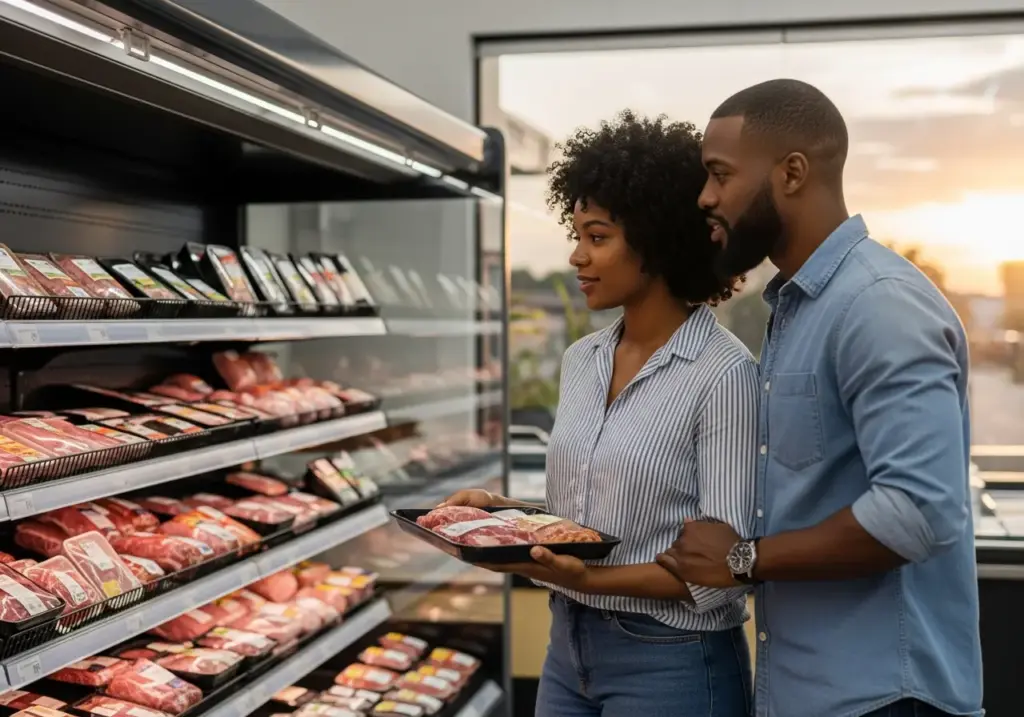
The shift in perspective does not come only from international markets. A study published by Embrapa found that people with higher income, education and age are more likely to value environmental attributes in beef. Through 402 interviews conducted across the country, the survey found that many are willing to invest in products with lower environmental impact. Over time, the trend is that other social strata will adopt this behavior, making carbon-neutral and reduced-carbon products the new standard.
With transparency, carbon-neutral or low-carbon product seals are not only a way to meet the demand of a public increasingly engaged in environmental issues, but also an instrument that allows consumers to play a more active role in the transition to sustainable production models, turning their purchase into a stance, guidance and pressure for change. In this way, each decision reinforces the link between individual choices, global effort and collective impacts.
Reference sources:
- Carbon Neutral Beef: a new concept for sustainable beef produced in the tropics
- Beef of certified origin: guarantee of safety, quality and sustainability from the farm to the consumer
- Carbon neutral beef certification – Latin America
- Carbon credits turn sustainability into economic value in agribusiness
- GHG Protocol
- Profile of the Brazilian consumer willing to pay for environmentally sustainable animal production practices