Understand how weight-loss injection drugs are changing consumption patterns and why exercise is essential to turn weight loss into health.
The Power of Meat 2026 report shows that 67% of American consumers seek information about the origin of their food. Attributes such as traceability, animal welfare, and environmental impact already influence purchasing decisions, expanding the concept of quality beyond taste.
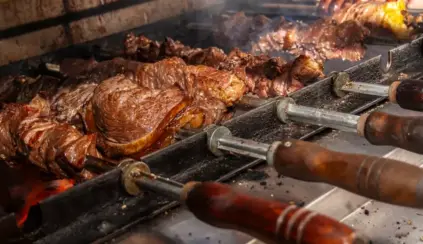
More than just a meal, barbecue is a cultural symbol that brings together technique, memory, and social connection — and it even has a date to be celebrated.
Fresh or frozen products require specific care: is washing meat a good idea? Is it possible to refreeze it? Read the article and find out.
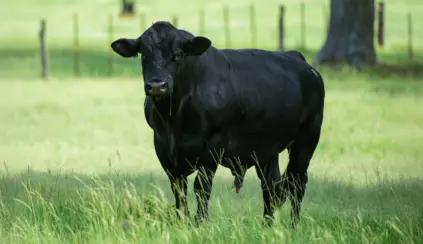
Angus beef has become firmly established across the country as a symbol of superior quality. Find out why!
A study published in DOAJ shows that cooking meat at specific and controlled temperatures helps preserve its nutritional properties. This information can enhance both everyday meals and family barbecues.
As barbecue evolves into a gastronomic experience, a new protagonist is taking center stage. Discover how different types of coarse salt can elevate the flavor of meats—and how to pair them.
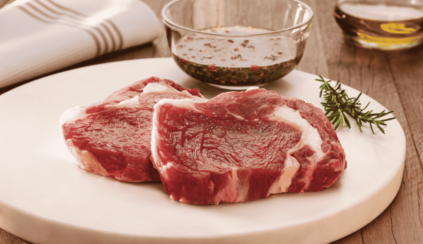
The difference isn’t only in price: the sensory experience of fresh and aged cuts can be completely distinct. The processes behind each are also different, and help explain flavor, texture, and ideal uses.
Understand what doneness is, the differences between each level of cooking, and how to use simple tricks to achieve the desired result.
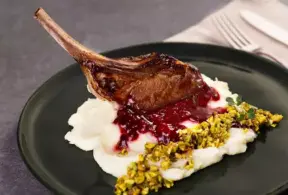
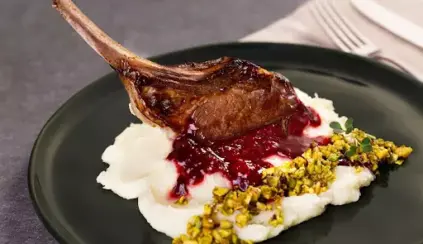
In addition to having a high protein content, lamb is rich in omega-3, B vitamins, zinc, and selenium. Each cut has its own history in certain countries.
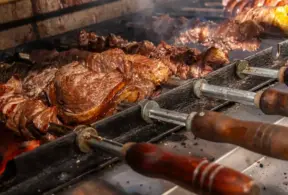
Besides traditional charcoal grills, there are many other options designed for a wide range of purposes and user profiles. Some are simpler and more affordable, while others are geared toward cooking enthusiasts.
Discover the power of marinating to enhance the flavor and texture of meat, turning even an everyday meal into a special moment.