Share


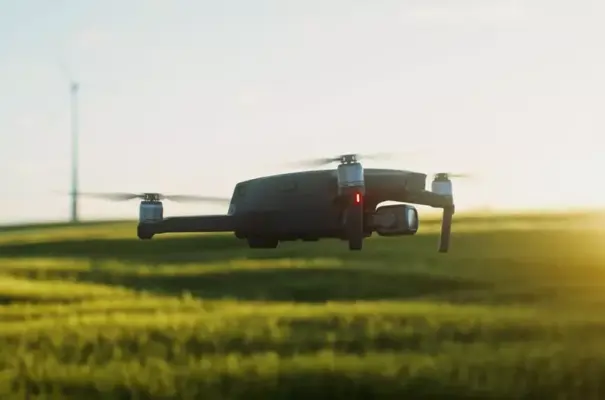
Initially, drones were limited to large-scale agriculture. However, the technology is increasingly present in Brazilian livestock farming, bringing gains in productivity, sustainability and precision in the management of herds and pastures.
While these devices were previously more focused on agricultural spraying, they now play an increasingly prominent role in managing beef and dairy cattle. Equipment with high-resolution cameras and multispectral sensors allows monitoring pasture condition, identifying degraded areas, tracking animal movements, or even detecting possible health problems.
Another relevant point is the regulation behind drone use. The National Civil Aviation Agency (ANAC) sets rules for operation, including altitude limits and registration requirements. This helps ensure the safety of users and the ecosystem itself, preventing accidents.
The synergy between algorithms and drones
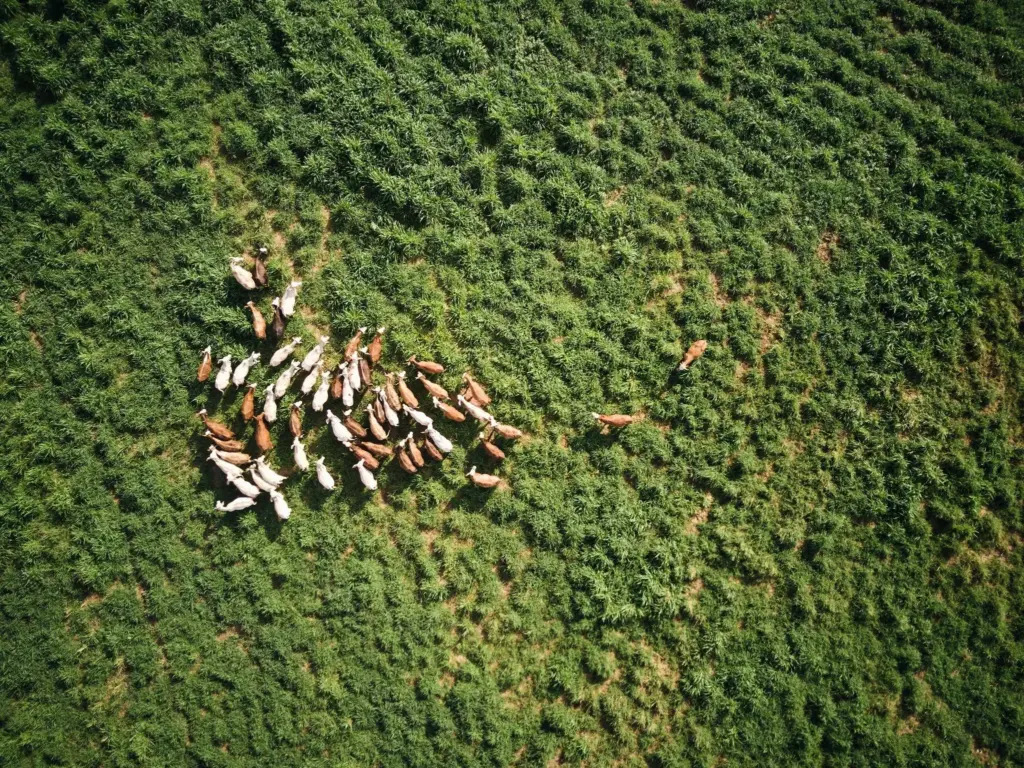
According to a report from Canal Rural, algorithms (finite, ordered sets of precise information in data format) are applied to the images captured by drones. This enables workers to calculate biomass and grass height, providing valuable data for grazing management.
This way, assertive decisions can be made about paddock stocking rates and the need for feed supplementation for the animals, eliminating “guesswork” during the process.
Through periodic flights, pasture problems can be diagnosed, and planning rotations and applying inputs locally have become possible. As a result, waste is reduced.
According to Embrapa, drones can already spray more than 100 hectares per day, in addition to improving herd oversight and monitoring the phytosanitary condition (plant health status) of crops and forests. This is a way to optimize the necessary care of the local ecosystem.
Drones are also tools for risk prevention and mitigation. If natural disasters occur in the grazing area or nearby, for example, the devices can be deployed to quickly assess the situation and, if necessary, alert the appropriate authorities.
Training and capacity-building for producers
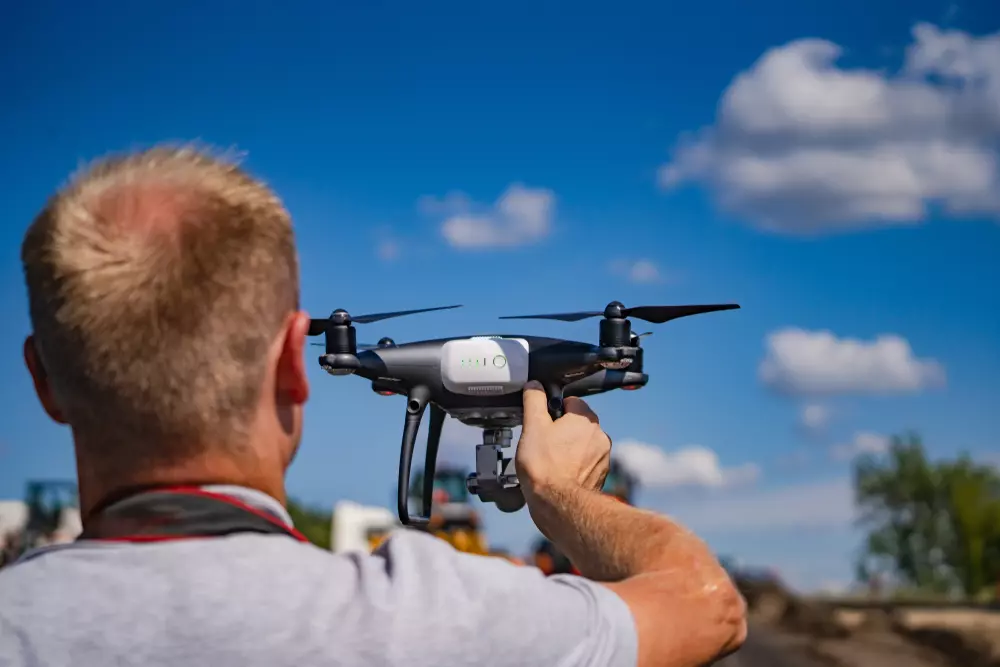
Using these devices correctly requires specific and regular training, since their technologies are constantly developing. Organizations such as the National Rural Learning Service (SENAR) offer practical workshops at events like Universo Pecuária, reinforcing the importance of ongoing training for producers.
In these activities, drones are presented as tools for area mapping, pest identification and resource optimization.
However, the devices typically have an initial cost ranging from R$ 100 mil to R$ 300 mil – which ends up being a barrier to entry for smaller-scale producers.
But there are alternatives: if the budget is limited, it is possible to hire specialized services that offer detailed management reports at competitive prices.