
Share


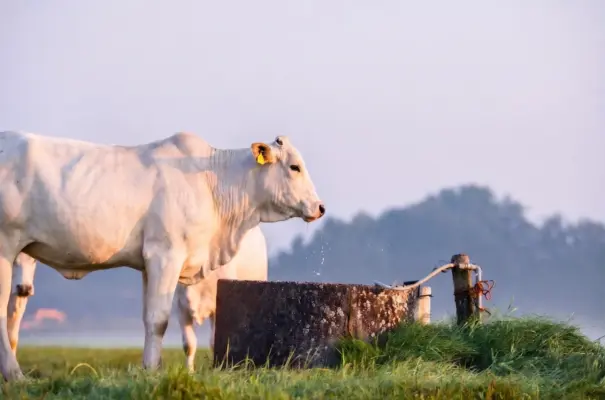
In livestock farming, water is an essential input, although it does not always receive the same technical attention given to nutrition and health. However, evidence-based animal welfare guidelines show that the quality of the water provided to cattle is one of the most determining factors for voluntary intake, productive performance, animal health and the safety of animal-derived products.
More than quenching thirst, water plays a central role in essential physiological processes such as digestion, nutrient absorption, thermal regulation and metabolism. When its quality is compromised, the impacts are quickly reflected in consumption, both of water and feed, in weight gain, milk production and the overall welfare of the herd.
Clean water and adequate access: principles of animal welfare
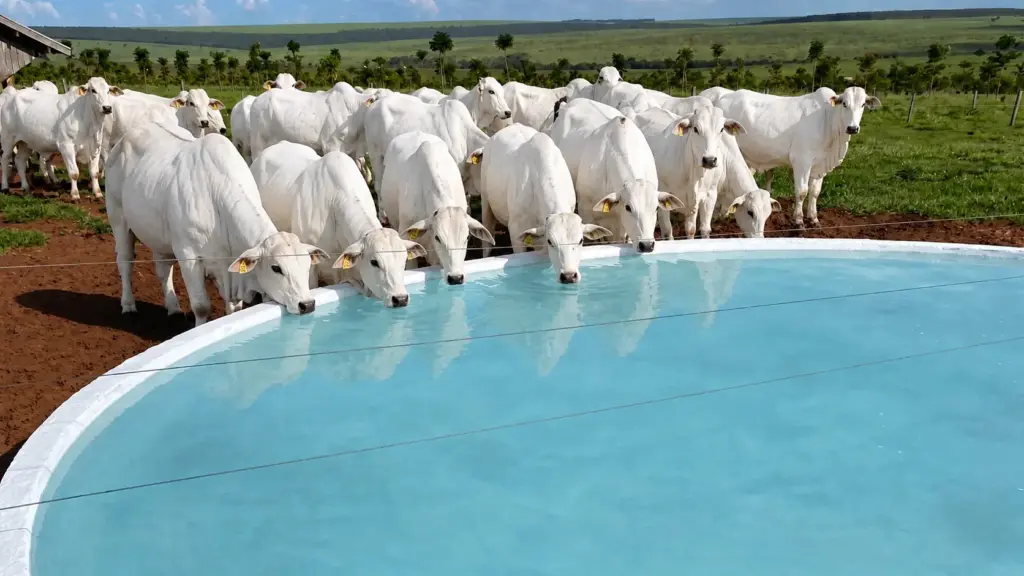
From the standpoint of good management practices and animal welfare protocols, providing clean water in sufficient quantity is considered a basic requirement. According to Certified Humane Brasil, water should always be available, in conditions that do not pose a contamination risk and that encourage consumption by the animals.
According to the organization, poor-quality water reduces voluntary intake, affects feed consumption and compromises productive performance. Therefore, practices such as frequent cleaning of drinkers, control of mud, feces and organic residues around water sources and correct placement of water access points are part of the recommended good management practices.
Although these guidelines do not set specific numerical values, they align with the technical literature showing that water quality goes beyond visual appearance, involving measurable physicochemical and microbiological parameters.
Physicochemical parameters that influence intake and performance
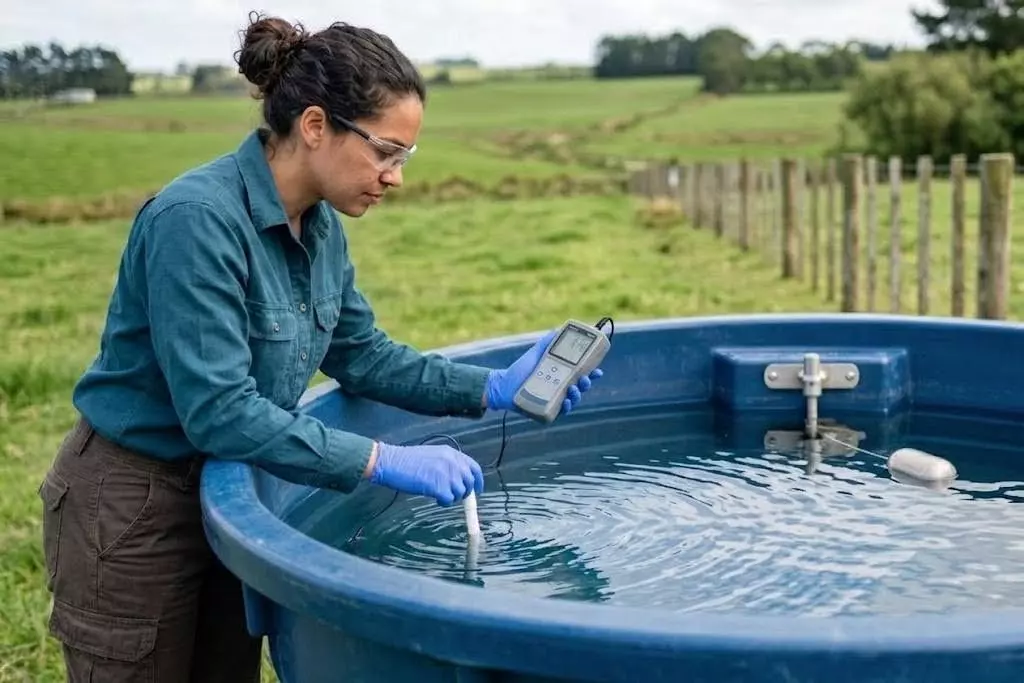
According to a post on Milk Point, among the most used technical indicators to assess the quality of water intended for cattle is pH, which indicates the degree of acidity or alkalinity. A technical publication from the Oregon State University Extension Service states that a pH range between 6.0 and 8.5 is considered suitable for water consumed by cattle. According to the document, values outside this range can reduce water intake and negatively impact growth and productivity of the animals, as well as being associated with digestive disorders and poorer feed conversion.
Another studied parameter is total dissolved solids (TDS), which indicate the concentration of salts and minerals in the water. According to a study published by Oregon State, TDS values up to 3,000 mg/L are generally acceptable for adult cattle. Higher concentrations can reduce intake, cause digestive disturbances and compromise productive performance.
International entities, such as the Food and Agriculture Organization of the United Nations (FAO), also provide guidance on limits for salinity and the presence of potentially toxic substances such as sulfates, nitrates and metals, classifying water for animal consumption according to its degree of suitability.
Water temperature also matters
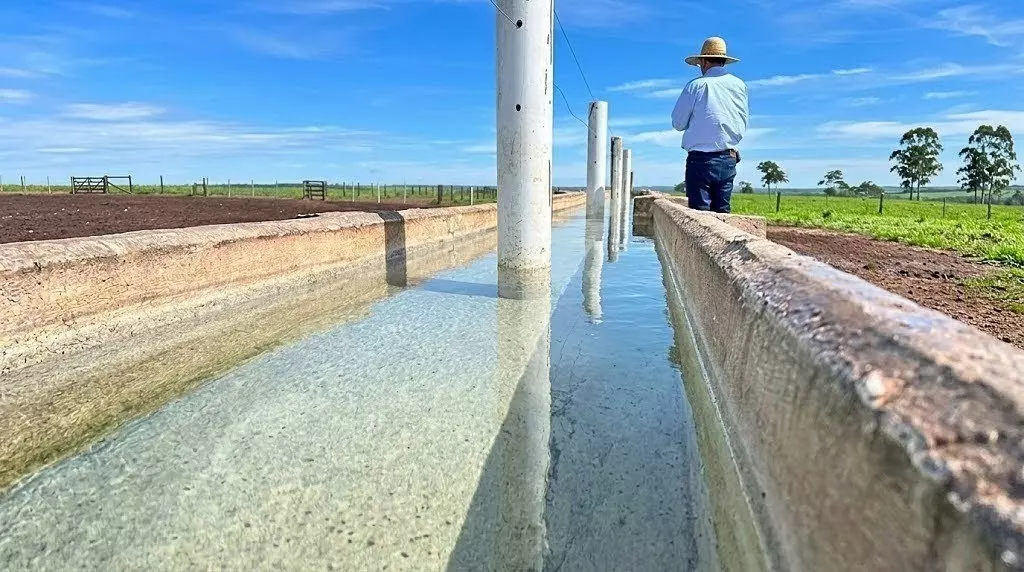
Although there is no universal regulatory standard for water temperature, technical and observational evidence shows that this factor directly influences intake. In high-temperature conditions, excessively cold water can reduce ingestion, while temperatures closer to the comfort range tend to encourage consumption.
According to a publication by Revista Leite Integral, approximate temperatures between 20°C and 30°C favor water intake, contributing to better productive performance and animal comfort. This aspect directly relates to the concept of animal welfare by linking access to water not only to availability but also to comfort during consumption.
Microbiological quality and health risks
In addition to physicochemical parameters, the microbiological quality of water is a critical point. The presence of indicator bacteria of fecal contamination, such as coliforms, is associated with a higher risk of gastrointestinal diseases, reduced performance and increased health costs.
According to a study published by the University of Kentucky, water for cattle should present a low bacterial load, with stricter limits especially for young animals. Periodic microbiological monitoring allows identification of contaminations associated with surface sources, inadequate drinker management or failures in spring protection.
Read also: Less water in livestock: sustainability becomes a future strategy
Monitoring and management: from source to drinker
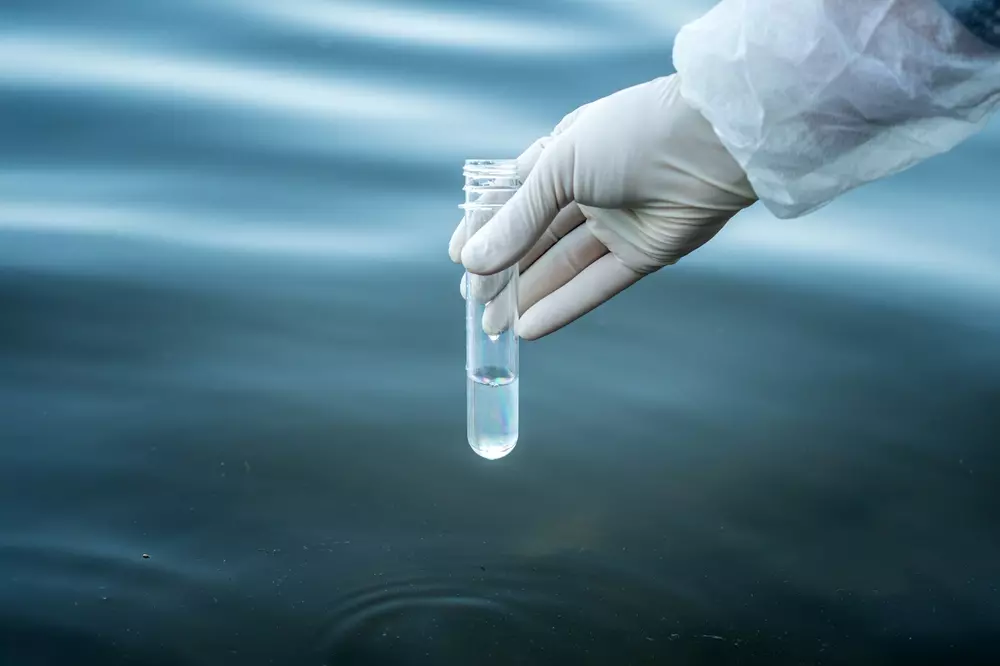
In practice, assessing water quality in livestock systems involves laboratory analyses and field measurements. Parameters such as pH, electrical conductivity, dissolved solids and temperature can be measured with portable equipment, while microbiological and contaminant analyses require collection and submission to specialized laboratories.
According to EducaPoint, water management should consider the entire chain, from the source—such as wells, springs, ponds or reservoirs—to the point of consumption by the animals. Lack of maintenance of drinkers can compromise quality even when the source is adequate.
Quality water as a link between productivity, welfare and food safety
Ensuring clean water, in sufficient quantity and within appropriate parameters is not just a matter of animal comfort. It is a direct investment in productive efficiency, herd health and food safety, since healthy and well-managed animals tend to have lower disease incidence and better zootechnical performance.
By applying good management practices, such as those integrated into welfare protocols, and with technical monitoring based on scientific evidence, livestock farming moves toward more sustainable, resilient systems aligned with the demands of markets increasingly attentive to the origin and quality of food.
Reference links: