Share


The idea that physical borders contain the effects of a crisis might have made sense long ago, when the internet did not exist and commercial relations were simpler. But in a global village context, as philosopher Marshall McLuhan conceptualized in the 1960s, a diplomatic decision in Beijing or a conflict in the Middle East can change the price of the meat on your plate.
In recent months, a succession of geopolitical and protectionist events, ranging from the agricultural safeguards in the European Union (EU) to armed conflicts in Eurasia (Europe and Asia), have impacted Brazilian livestock. However, even within this unstable scenario, some stances can be adopted to reduce adverse effects and maintain economic stability.
The noose tightens: protectionism and conflicts
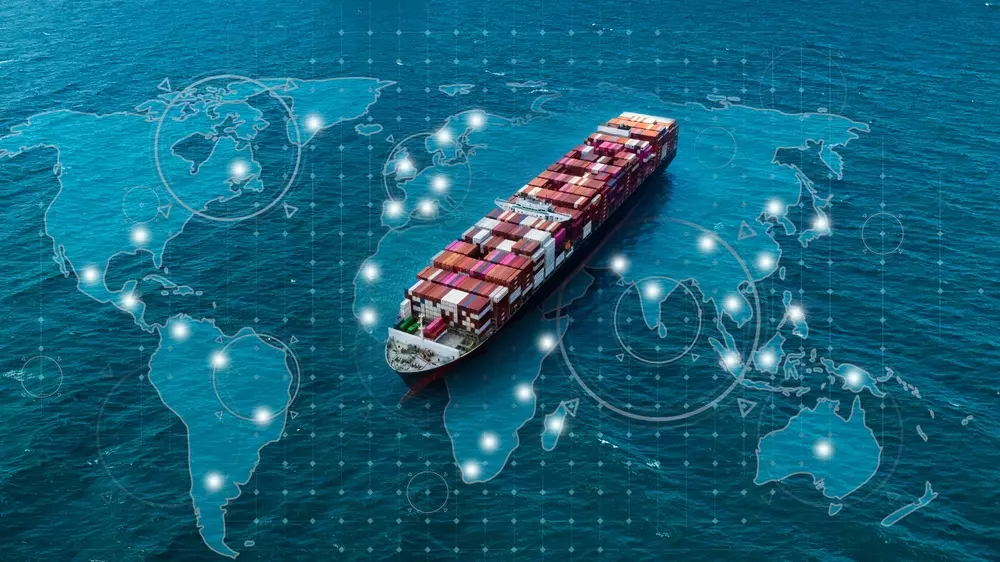
If it were possible to sum up the current scenario in a single word, it would be: volatility. In addition to the EU, China also imposed a safeguard on its global imports of beef, a situation the Brazilian government is watching closely, according to information from the Ministry of Development, Industry, Commerce and Services. The measure came into effect on January 1, 2026 and is scheduled to last 3 years, creating a Brazilian import cap of 1.1 million tons per year. Any volume above that mark will be penalized with a 55% surtax.
Given that Brazil is the main exporter of meat to China, the Brazilian government is engaging in talks with Chinese authorities to try to reverse, at least partially, the adverse effects stemming from this decision.
In addition, Mexico, a strategic market, implemented new quotas for imports of beef and pork, as detailed by Globo Rural, limiting the volume that enters the country tariff-free. This rule was also applied to all other countries that do business with Mexico and that do not have a free trade agreement.
As if trade barriers were not enough, the effects of war also echo across the pastures. The escalation of tensions in the Middle East creates uncertainty that affects logistics flows and input costs. Logistics takes center stage not only because of cost, but mainly because of access: in scenarios of route restrictions and operational bottlenecks, those who maintain active distribution channels have a significant competitive advantage, since demand remains while access is the main limiting factor.
According to the productive sector in an interview with Globo Rural, speculations about the extent of the conflict are already directly influencing cattle prices and could cause structural damage to the production chain.
How is the sector positioning itself?
One of the active voices in Brazilian livestock on the issue is the Brazilian Association of Meat Exporting Industries (ABIEC). In an official statement, the organization expressed concern about the Chinese safeguards, calling them barriers that challenge the commercial relations built between the two countries.
ABIEC also warns about the humanitarian and commercial impacts of wars. Instability in the Middle East can compromise vital export routes for Brazil, a situation that, according to the association’s president, Roberto Perosa, “is beyond our control,” as he told Reuters in an interview reproduced by Forbes magazine. In the same report, the executive estimates that 30% to 40% of protein shipments, including beef and chicken, pass through the region before reaching Southeast Asia and China, since the Middle East is Brazil’s largest chicken destination.
Meanwhile, in a survey published by the Globo Rural portal, the association reported that the crisis could affect up to 40% of all the volume exported by Brazil, which represents 1 million tons and up to US$ 6 billion when all shipments that merely transit through or have Middle Eastern countries as final destinations are added up.
The president of the National Beef Cattle Commission of the Confederation of Agriculture and Livestock of Brazil (CNA), Cyro Penna, in a piece for Globo Rural, believes that “speculations” about the effects of the war in the Middle East, such as the closure of the Strait of Hormuz, affected the market for finished cattle in the country: “The Strait of Hormuz is critical for energy, but represents a relatively small share of the global container flow, estimated between 2% and 3%. Regarding exports, China is our largest customer, accounting for almost 50% of shipments, and the route there does not need to pass through Hormuz, the conflict region.” According to him, to the report, “the Middle East represented 6.8% of revenue and 6.5% of volume exported by Brazil in 2025. If we consider only countries geographically located near the Strait of Hormuz, such as Saudi Arabia and the United Arab Emirates, the share falls to less than 4%.”
Furthermore, the article reinforces the importance of the Middle Eastern market for Brazil: it is one of the largest destinations for Brazilian meat, recognized for production of foods made with Halal certification (that is, following Islamic precepts). For this reason, the sector is seeking new routes for exports to maintain financial stability, as declared by the Brazilian Association of Animal Protein (ABPA), which says it has already mapped critical points following strategies adopted in previous crises in the region.
Resilience is the solution
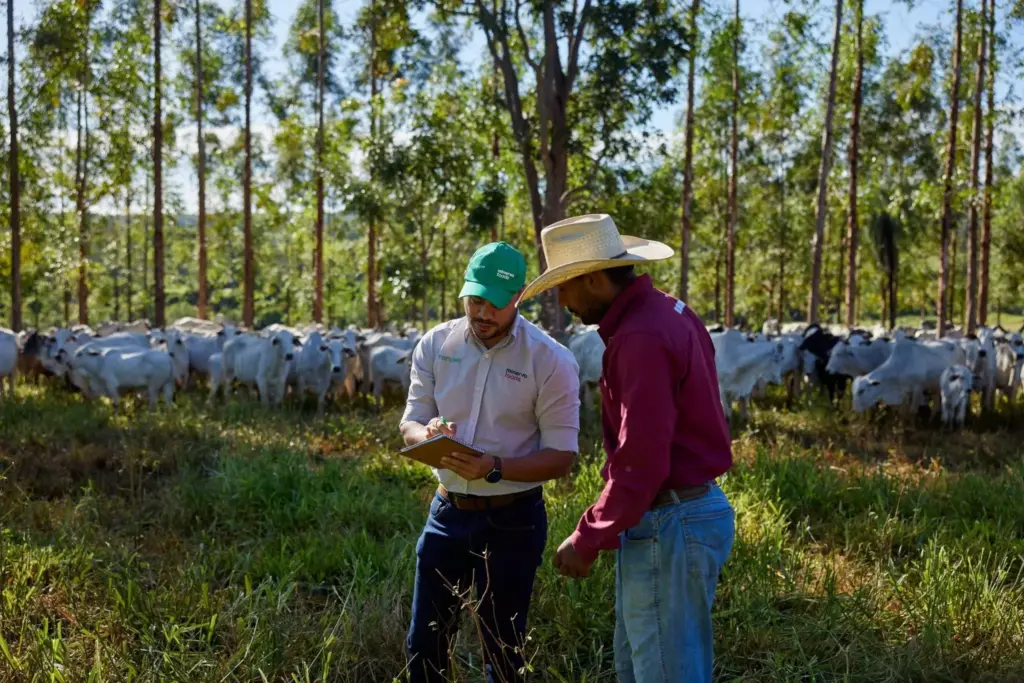
Due to ongoing geopolitical volatility, building a diversified platform is the key to avoiding crisis. The strategy of operating with multiple production origins, as adopted by Minerva Foods, consolidates as a competitive differential to mitigate risks. After Brazilian quotas are exhausted in China, for example, having products originating in countries such as Argentina, Uruguay and Colombia allows continued supply to the Chinese market. In the case of Mexico, products originating in Uruguay benefit from a more competitive trade agreement than those from Brazil and Argentina, which expands access capacity and positions the Company in better conditions compared to competitors. In addition to new destinations, marketing value-added products is something that connects Brazil to premium markets, which are willing to pay differentiated prices.
Although restrictions imposed by powers present immediate challenges, they also force Brazilian livestock to reach a new level of efficiency and transparency. The global scenario is complex and always in motion; however, it is in this complexity that Brazil reaffirms its position as the largest exporter of beef protein in the world, proving that, on a connected planet, global food security passes through Brazilian fields. And, in a scenario of volatility, the reach of a global business platform adds even more value to companies.
Reference sources:
- Premium cuts and nutritional benefits of lamb
- Speculations about the war affect cattle prices, says sector
- War in the Middle East may affect Brazil’s beef trade, says ABIEC
- War in the Middle East: animal protein sector seeks new export routes
- Mexico creates quota for imports of beef and pork
- ABIEC/CNA POSITION • CHINA’S SAFEGUARD MEASURES
- Agricultural safeguards approved in the EU expose challenges in the Mercosur agreement
- China’s safeguards on beef imports