Share


In Brazil, beef accompanies rice and beans in everyday meals, goes on the grill at the weekend and appears in family recipes passed down through generations. According to the Brazilian Dietary Guidelines, an official document from the Ministry of Health published in 2014, meats of various kinds are highly valued for the flavor they add to meals and for being rich in protein, vitamins and minerals.
When health is the goal, beef also has much to offer: it provides high-quality protein, heme iron with good bioavailability, zinc and B-complex vitamins, especially B12. The key is how to fit this food into your routine, choosing cuts, cooking techniques and accompaniments that enhance its best qualities.
Below are ten strategies to maximize the nutritional advantages of beef in everyday life, based on recommendations from official dietary guidelines and scientific publications.
1. Building a complete plate: beef, grains, vegetables and essential nutrients
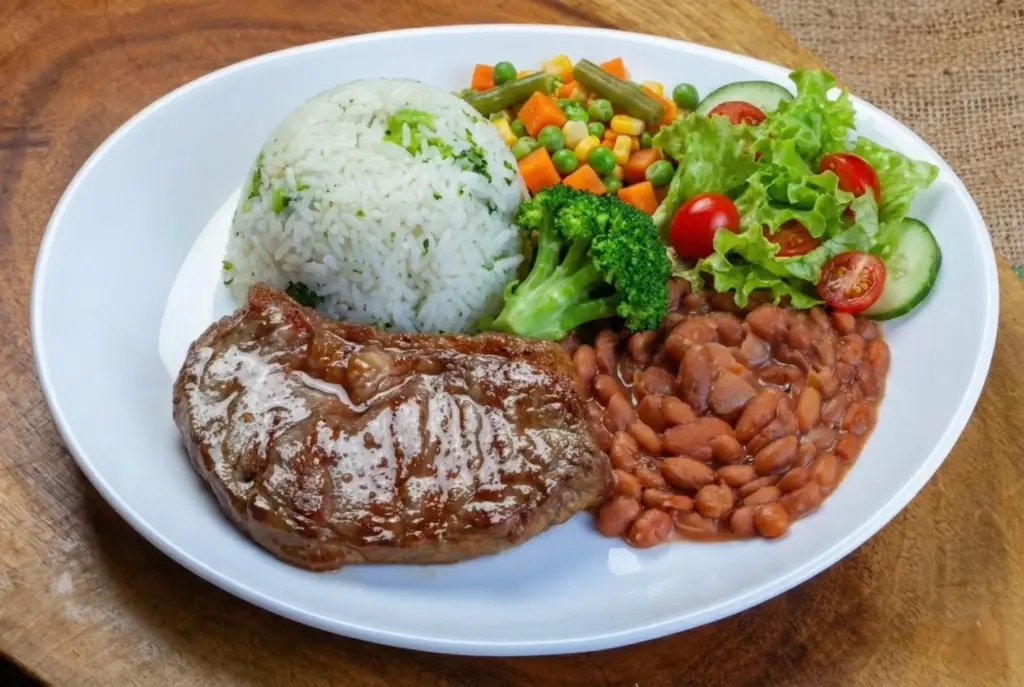
Nutritionally, beef stands out because it brings together, in a single food, a set of nutrients that are hard to obtain in the same proportions from other sources. It provides complete protein, with all nine essential amino acids — those the body cannot produce and must obtain from the diet — in quantities adequate for maintaining muscles, tissues and metabolic functions.
In addition to high-quality protein, beef concentrates heme iron, the form of the mineral with higher bioavailability, zinc — essential for the immune system and for growth and cellular repair processes — and B-complex vitamins, notably vitamin B12, vital for blood cell formation and nervous system function. These nutrients appear in smaller amounts or with more limited absorption in many plant-based foods.
Healthy plate models proposed by institutions such as the Harvard T.H. Chan School of Public Health suggest that in a balanced meal half the plate should be fruits and vegetables, one quarter grains (preferably whole grains), and the other quarter protein sources, including meats.
This combination makes beef a nutritionally dense food, able to deliver many nutrients in relatively small portions — a relevant characteristic for children, adolescents, older adults, pregnant people and those with higher nutritional demands. That is why dietary guidelines and scientific recommendations recognize it as a component that can occupy a place on the plate when consumed in balance and within a varied dietary pattern.
In Brazil, the Dietary Guidelines reinforce this reasoning by proposing the combination of beef with rice, beans, roots, vegetables and salads, creating varied, flavorful meals with good fiber and micronutrient content. A practical tip popularized by French biochemist Jessie Inchauspé, author of the book “The Glucose Revolution”, points out that the order in which we eat foods directly affects our glucose peak. Therefore, the ideal is to eat fiber-rich vegetables first, then proteins and fats, and finally carbohydrates and sugars.
This way of assembling the plate allows beef to provide protein, iron, zinc and B12, work together with the fibers from beans, greens and whole grains to increase satiety, and be part of a colorful, diverse dietary pattern rather than appearing alone.
2. High-quality protein in favor of muscles

Beef is recognized as a source of high biological value protein, containing all essential amino acids in appropriate proportions.
A recent scientific review on animal-source foods highlights that for older adults an adequate supply of protein helps preserve lean mass, support recovery after illness or surgery and maintain daily functionality.
The article published in Oxford Academic reinforces that because beef is a nutritionally dense food, a moderate portion of lean meat already supplies a significant fraction of daily protein needs, which is especially useful for people with low appetite or who need to concentrate nutrients in smaller volumes of food.
3. Iron, zinc and B12

Besides protein, beef provides significant amounts of iron, zinc and vitamin B12, which is why the Brazilian Dietary Guidelines describe red meats as excellent sources of these micronutrients and emphasize their role in everyday diets.
Official nutrition education materials, such as the Australian guidelines, remind us that the iron and zinc from meats are more readily absorbed by the body than those from many plant sources, which benefits the nutritional status of these minerals in groups with higher demand, such as adolescents, pregnant people and women of childbearing age.
Vitamin B12, which is scarce in plant-based foods, finds an important source in beef — particularly relevant for people who consume little dairy or few eggs.
4. Smart combinations to boost iron absorption
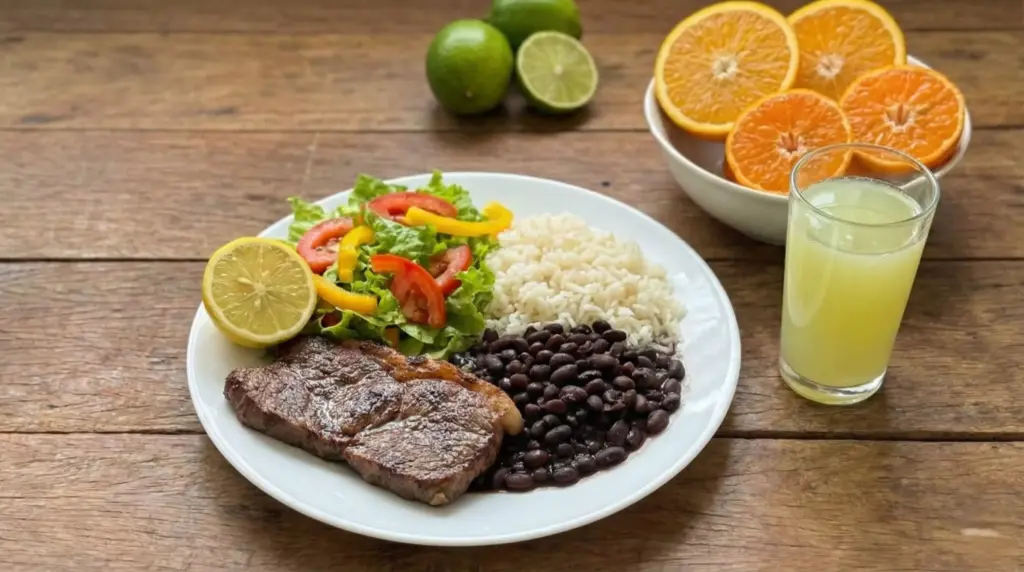
Beef offers heme iron, which is better absorbed by the body than non-heme iron predominant in plant foods. According to a scientific article on PubMed about the so-called “meat factor,” the presence of animal tissue in a meal also increases the absorption of non-heme iron consumed alongside it.
Another well-documented strategy is to pair iron sources with vitamin C on the same plate. Research on iron absorption points to ascorbic acid as one of the most effective dietary components for enhancing non-heme iron uptake.
In practical terms, a plate with beef, beans and a leafy salad with tomato, bell pepper or a squeeze of lemon — or even a citrus fruit for dessert — makes the most of this combined effect, helping the body to use the iron present in the meal more effectively.
5. Offal on the menu: nutrient density in small portions
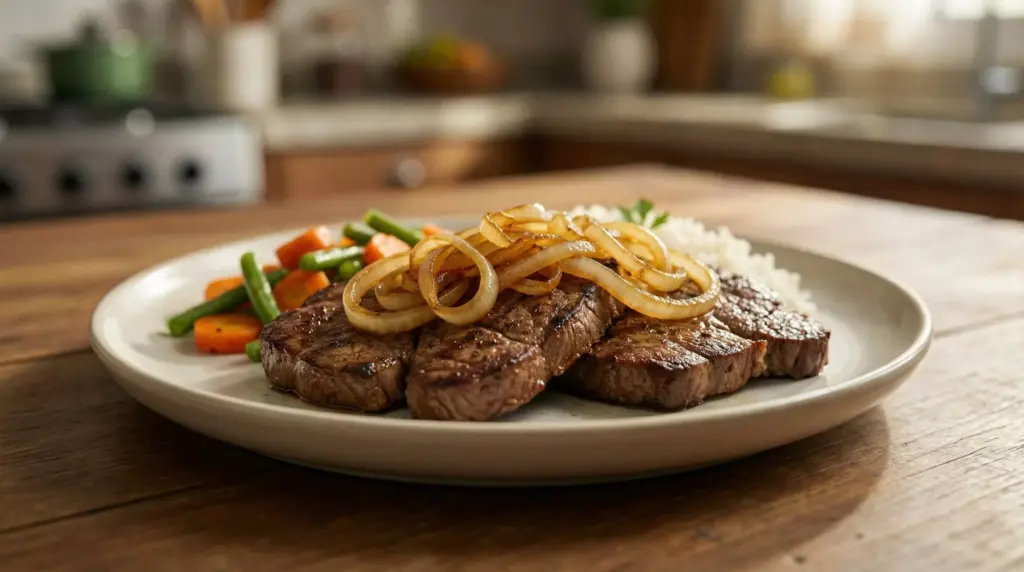
Viscera such as liver, heart and tongue are part of Brazilian culinary tradition and fit a logic of whole-animal use. Beef liver, for example, is recognized as one of the most concentrated sources of vitamin A and also provides iron, B-complex vitamins and other micronutrients in high density.
Because these cuts concentrate so many nutrients, they can be integrated in small amounts into the routine, composing classic recipes like liver with onions or more modern preparations such as pâtés and sautés with vegetables.
For those who enjoy these cuts, including offal in a planned way is a way to diversify the menu, reduce waste and increase the variety of nutrients obtained from beef, as suggested in the Dietary Guidelines.
6. Red meat in the routine: why it deserves a place on the plate
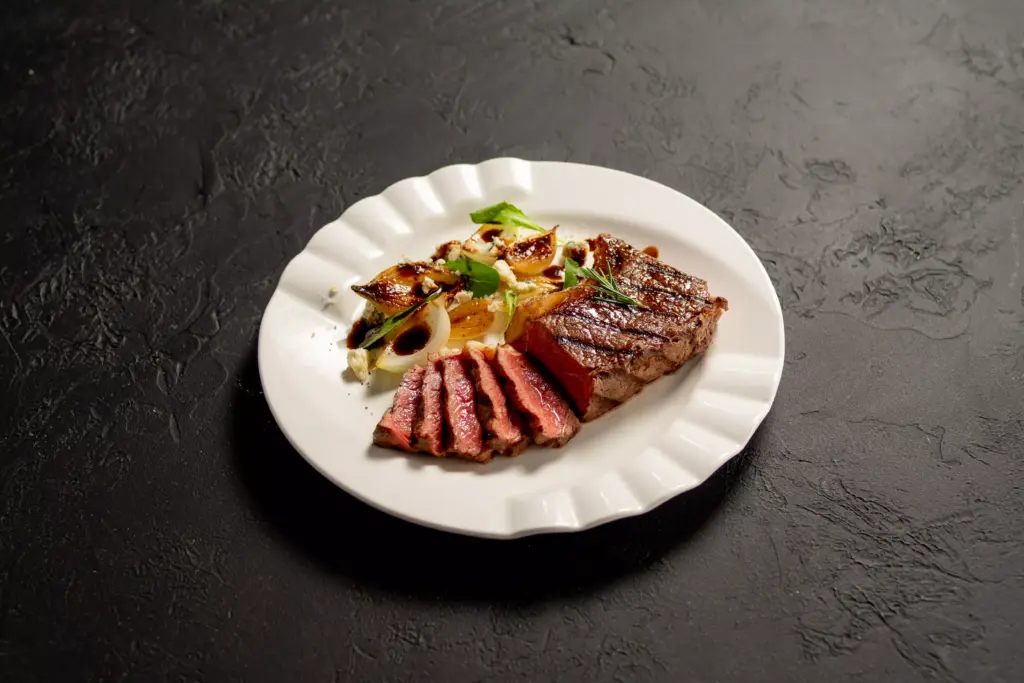
The group of meats and eggs described in the Dietary Guidelines includes beef and highlights that it is often consumed alongside rice and beans and other plant-based products, combining flavor and nutritional value.
According to an article published in Oxford Academic, rather than focusing only on “how much” to eat, a positive way to view beef is when and how to use it: in work lunches, family dinners or preparations that demand prolonged satiety and a good supply of nutrients in relatively small portions.
7. Beef cuts: how to choose thinking of flavor and nutrition
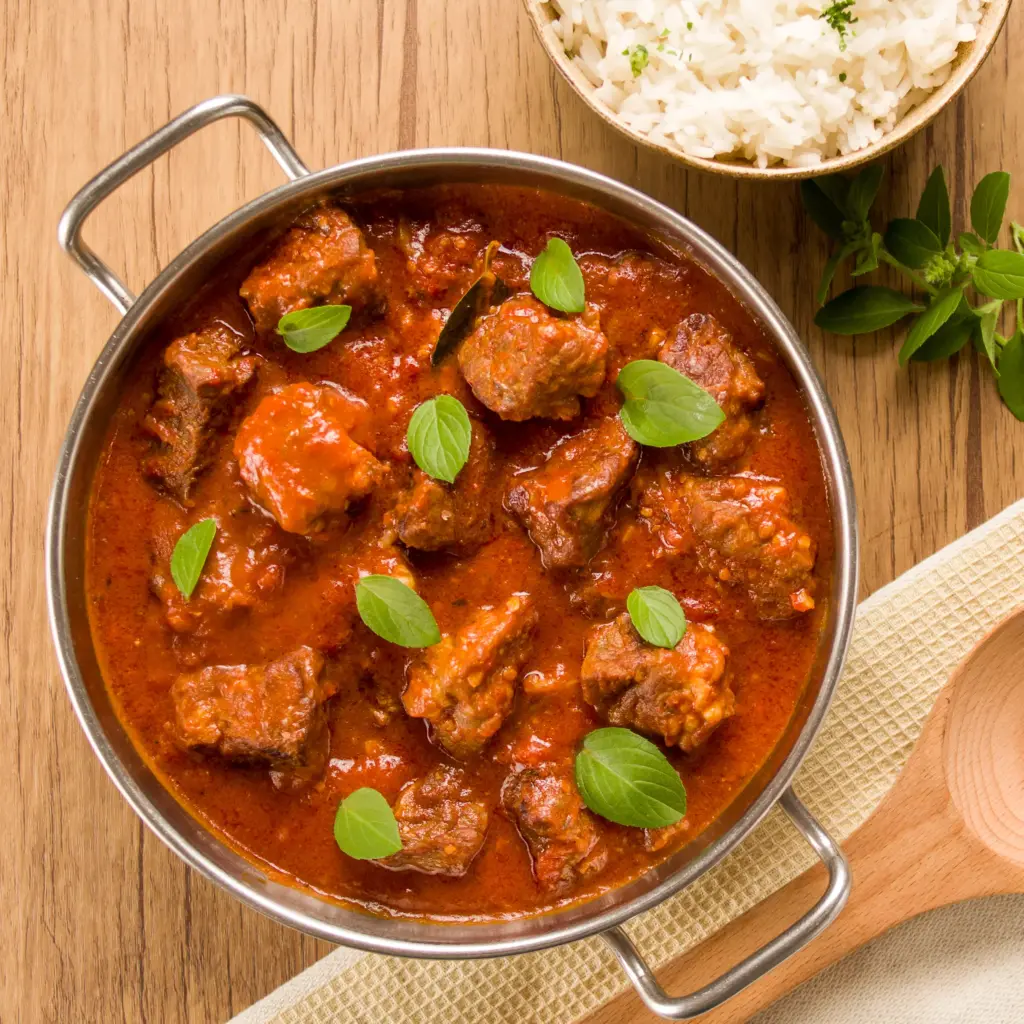
The Dietary Guidelines indicate that different cuts of red meat can be used grilled, stewed or roasted with vegetables, cassava and potatoes, suggesting that the choice of cut and cooking technique should be complementary. In practice, to make the most of the benefits, it is worth alternating leaner cuts, such as coxão mole or patinho, for everyday meals, reserving more marbled cuts, like bife ancho, picanha, denver steak and ribeye for special occasions. Another suggestion is to opt for meats with less visible fat to enjoy the flavor of the meat itself, and match the chosen cut with the cooking method that best suits its texture. For example, forequarter cuts become tastier in long-simmer stews, while a cut like bife ancho is better on a high-heat grill to keep it juicy.
8. Cooking techniques that preserve tenderness and nutrients
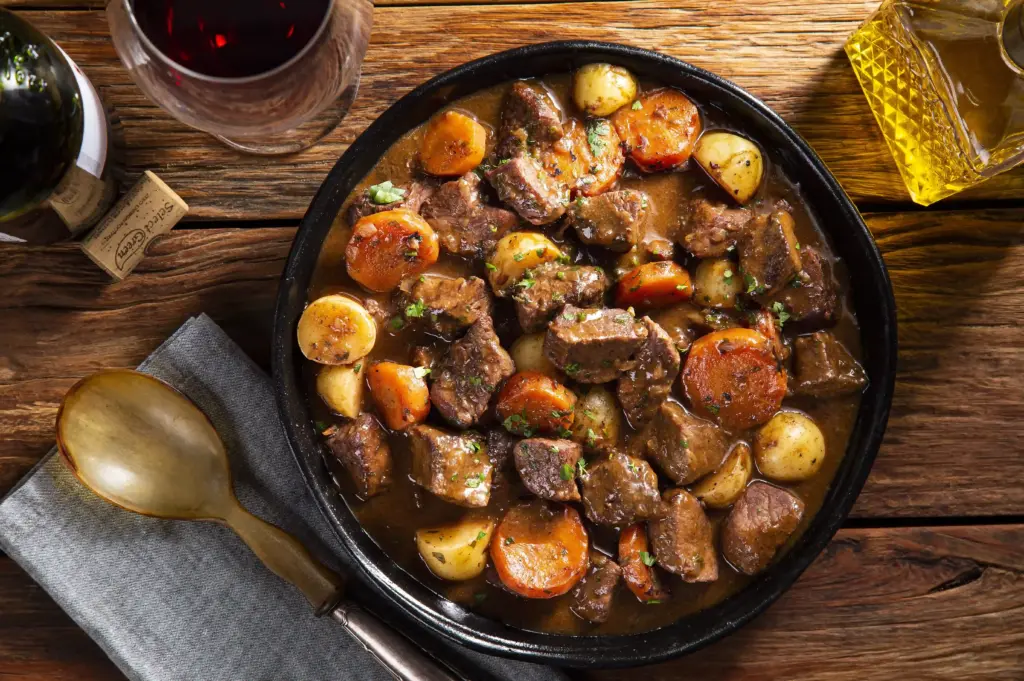
By choosing techniques such as roasting, gentle sautéing or stewing, consumers can keep beef succulent, achieve good texture — especially in firmer cuts with more connective tissue (collagen) — and integrate vegetables, roots and other ingredients in the same pot, turning the preparation into a complete meal.
From a culinary perspective, this means extracting maximum flavor from the meat without relying on large amounts of added fat, which helps preserve the food’s nutrient “package,” in line with the recommendations of the Brazilian Dietary Guidelines.
9. Marinades, herbs and seasonings: allies of flavor and experience
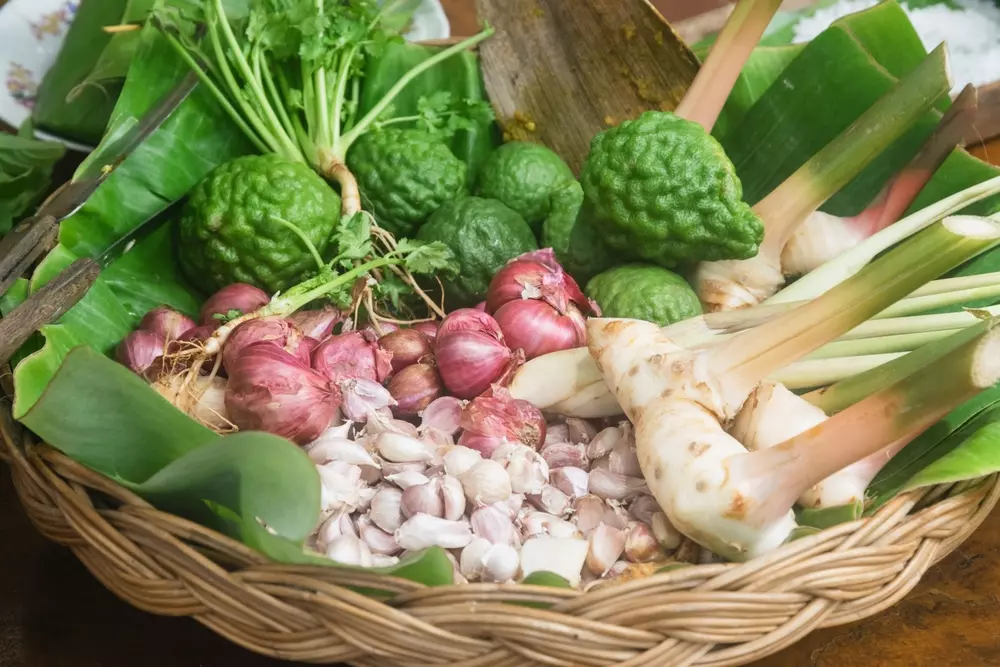
The Brazilian guidelines suggest the generous use of natural seasonings such as garlic, onion, pepper, thyme, sage and rosemary to enhance the flavor of red meats and reduce the need for salt.
An experimental study published on PubMed indicates that marinades with herbs and acidic ingredients such as lemon, vinegar or wine enrich meat with antioxidant compounds and can reduce the formation of substances generated during high-temperature cooking, as well as improve tenderness and juiciness.
In practice, this translates to leaving steaks and barbecue cuts in simple marinades with olive oil, garlic, herbs and citrus juice, exploring regional combinations like meat with fresh herbs, peppers and onion, and using these seasonings to build layers of flavor that enhance beef without relying on processed ready-made sauces.
10. Three recipe ideas to put everything into practice
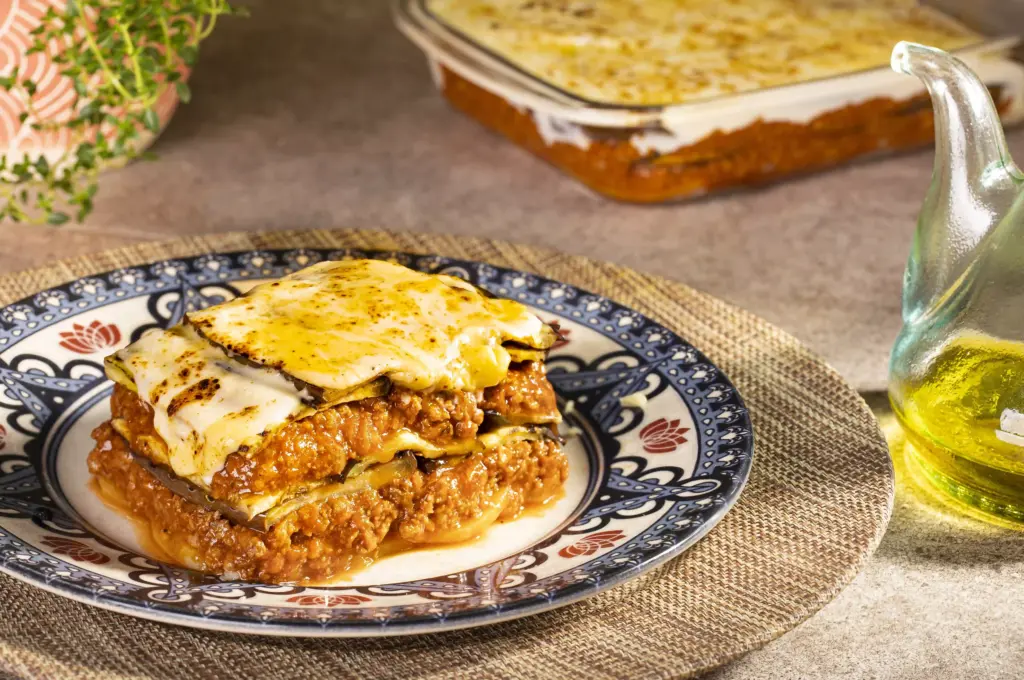
To move from theory to plate and bring the benefits of beef into your meals, opt for preparations that combine quality protein, vegetables and cooking methods that preserve flavor and nutritional value.
Bombom de alcatra with grilled vegetable salad
On Minerva Foods’ recipe site, one suggestion is bombom de alcatra served with grilled vegetables. The cut, known for its tenderness, is grilled and served with charred vegetables, resulting in a balanced meal rich in protein and fiber — ideal for those seeking flavor without excess.
Another Minerva Foods option is the t-bone served with grilled cabbage. Although it is a bone-in cut, the preparation highlights the lean portion of the meat, combined with a simple, functional vegetable side. Grilled cabbage adds fiber and micronutrients, creating a complete plate that balances protein and vegetables.
Lamb meatballs with hummus and caramelized chickpeas
Minerva Foods also offers an alternative that combines meat with plant proteins: lamb meatballs accompanied by hummus and caramelized chickpeas. The recipe unites the nutritional value of meat with legumes rich in fiber and complex carbohydrates, offering a nutritious, flavorful meal suitable for a balanced diet.