Share


Why can one steak be incredibly tender and juicy, while another, visually similar, disappoints? The difference between ordinary beef and a superior cut is not a matter of chance, but rather the result of consistent decisions throughout the entire production chain. What the consumer perceives on their plate is the sum of genetics, nutrition, management, animal welfare, sanitary compliance, the cold chain, and techniques like aging.
The starting point is on the farm. The breed and type of crossbreeding influence characteristics such as texture and marbling — the intramuscular fat distributed among the meat fibers, responsible for the marbled visual appearance. Technical reviews, such as this one from the Department of Animal Science at Texas A&M University, indicate that the ability to deposit intramuscular fat (marbling ability) varies between breeds and within the same breed, being a trait with high genetic heritability. A recent study published in the International Journal of Molecular Sciences also confirms that genetic and nutritional factors are among the main determinants of intramuscular fat formation and meat tenderness.
Regarding management, an article published in Frontiers in Animal Science shows that pre-slaughter stress can alter the final pH of the meat, compromising color, texture, and water-holding capacity. When stress is minimized — through appropriate transportation and rest practices — the pH tends to remain within the normal range (approximately 5.4–5.8), reducing the occurrence of dark and dry meat.
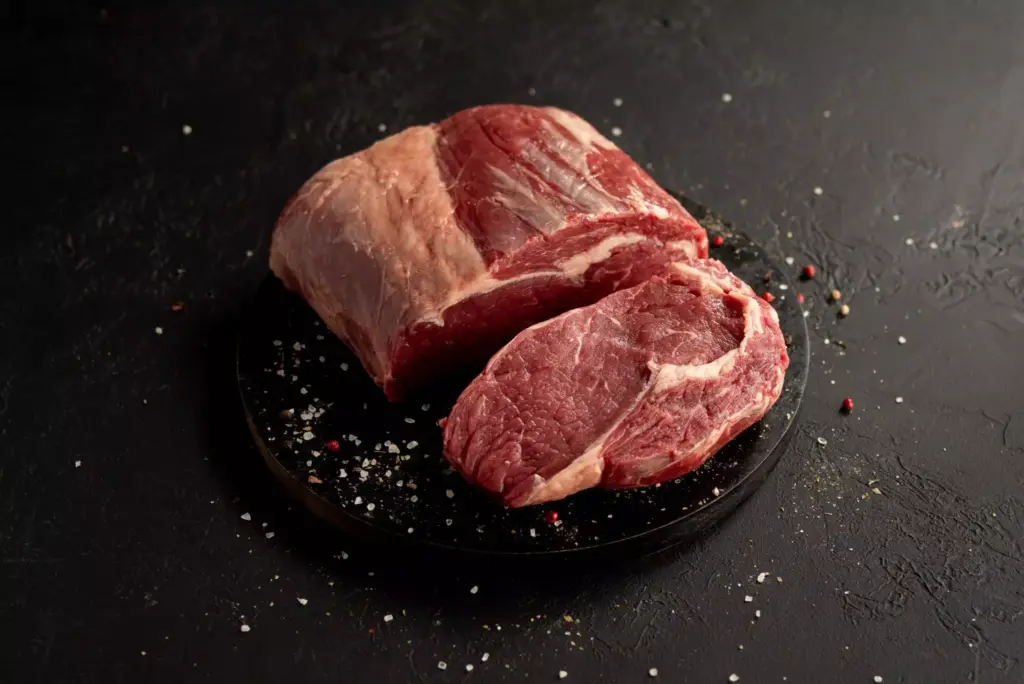
Photo: Minerva Foods
According to a technical review published by the Federal University of Pernambuco, color is one of the main purchasing determinants at retail, while the degree of marbling is positively related to juiciness and palatability when compared to similar preparation conditions.
The aptitude for producing good marbling is a high heritability trait. European breeds, such as Angus, and the Japanese Wagyu, are valued for their greater propensity to deposit intramuscular fat, which favors tenderness and flavor. Zebu breeds, such as Nelore, have a lower natural predisposition to marbling, but can be improved through genetic selection.
Animal welfare is also an extremely important link in this journey. The adoption of procedures from the farm to pre-slaughter reduces stress, helps maintain desirable physiological parameters, and contributes to the consistency of the final product. At Minerva Foods, for example, the commitment to animal welfare is aligned with the five internationally recognized domains and is materialized in publicly described policies, training, and continuous monitoring.
Beef from a Regulatory Perspective
The meat that reaches consumers in Brazil must comply with the Regulation for the Industrial and Sanitary Inspection of Products of Animal Origin, which governs official inspection, traceability, and the issuance of sanitary certification for transit between establishments. This structure ensures that each stage meets safety and good practice requirements under the Ministry of Agriculture’s audit.
Immediately after slaughter, the cold chain and controlled cooling guide the temperature drop and pH evolution, preventing cold shortening and undesirable color variations, as described in an article published by the Federal University of Santa Maria.
Aging completes the picture. During refrigerated storage for a defined period, endogenous enzymes act on structural proteins, increasing tenderness and enhancing sensory perception. A study conducted by Embrapa points to clear gains in tenderness and flavor with proper aging, while excessive times can impact color stability on the shelf, reinforcing the importance of balance between technological benefit and commercial presentation.
In summary, meat quality is born from consistent and transparent decisions throughout the entire chain, uniting adequate genetics, responsible management, and animal welfare in the field with rigorous industrial processes of hygiene, inspection, temperature control, and aging. When these pillars work in an integrated manner, with traceability and continuous improvement, the result is a standardized product in tenderness, juiciness, and flavor, delivered with food safety and reliability to the consumer.
Reference sources:
- Alguns aspectos qualitativos da carne bovina: uma revisão
- Fatores pós-abate que contribuem para a maciez da carne
- GENETIC ASPECTS OF MARBLING IN BEEF CARCASSES
- Investigating the impact of pre-slaughter management factors on meat quality outcomes in cattle raised for beef: A scoping review
- Molecular and Cellular Mechanisms of Intramuscular Fat Development and Growth in Cattle
- Qualidade do produto e bem-estar animal
- Qualidade e perfil sensorial descritivo da carne maturada proveniente de animais cruzados