Share


When choosing a wine for barbecue, a simple rule is a useful starting point: more delicate, leaner cuts pair better with light- or medium-bodied wines. More intense, fattier cuts can stand up to more structured wines with a stronger tannic presence.
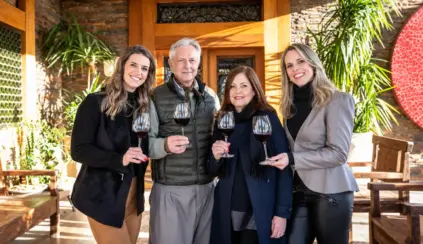
This is one of the principles used by the Pötter family at Guatambu Winery, located in the municipality of Dom Pedrito, in the heart of the Pampa Gaúcho region. The property brings together cattle ranching, winemaking, gastronomy and wine tourism, and offers pairing experiences involving meat and wines from the region.
“Generally speaking, the concept of pairing is based on similarity. In other words, food with a more intense flavor calls for a more structured wine, also with a more intense flavor,” explains Gabriela Hermann Pötter, an agronomist, technical director and winemaker at Guatambu Winery. She shares management of the company with her sister, Mariana Pötter Vieira, the winery’s administrative director, who also works in administration, sales, marketing and wine tourism.
The general logic of pairing involves achieving balance between food and drink. With barbecue, however, this principle can be translated into very practical choices.
Less fat, more lightness in the glass
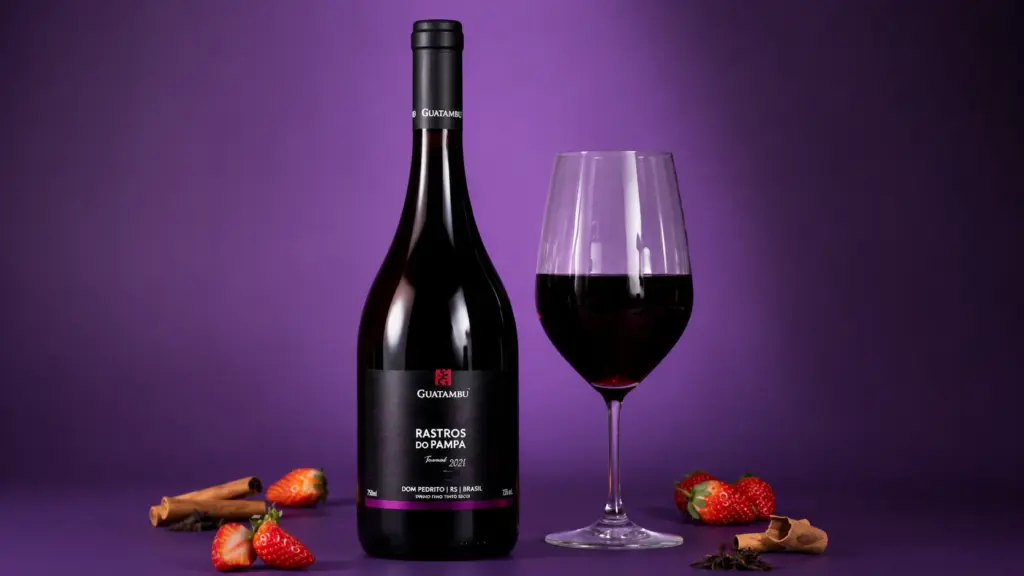
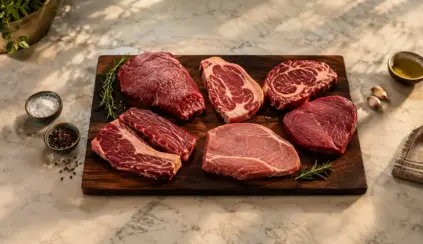
Tri-tip is a good example of a cut that works with less-structured wines. Because it has less fat than heavier cuts, it can be paired with lighter reds. Gabriela’s suggestions include Pinot Noir and Merlot. The goal is to prevent an overly powerful wine from masking the flavor of the meat.
Pinot Noir tends to have more delicate tannins and greater lightness. Merlot offers a little more body while still retaining a soft texture. It is a pairing suited to those who want to start with a safe choice without creating a major contrast between the meat and the wine.
Fattier meats make room for more structured wines
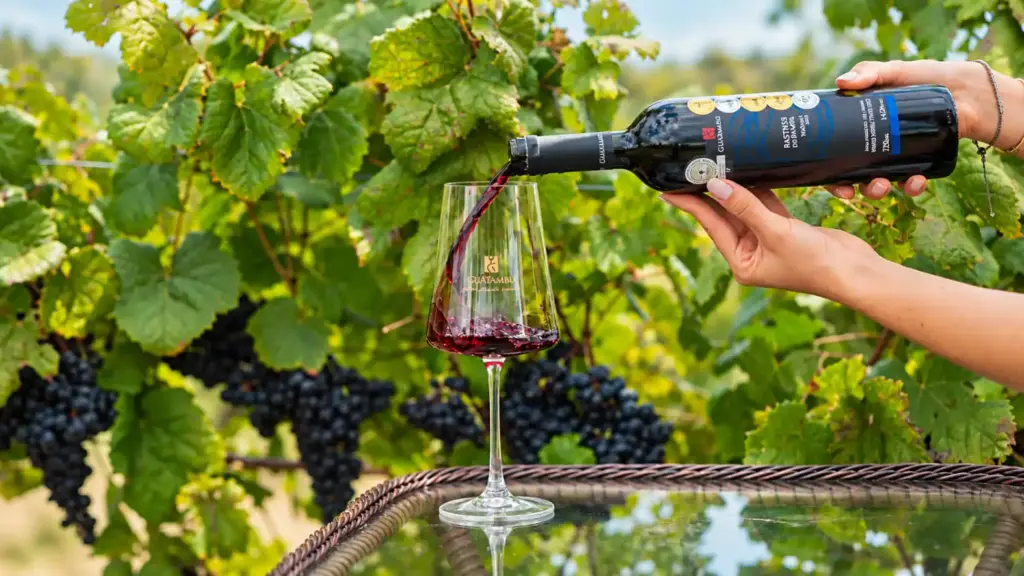
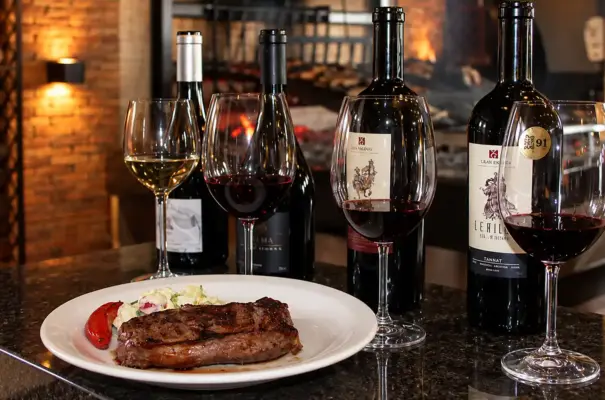
A rib cut, for example, makes room for more intense wines. The cut’s higher fat content and more pronounced flavor call for a wine with greater body and a stronger tannic presence. Guatambu’s suggestion is Tannat, a variety that produces structured wines and is strongly associated with the Campanha Gaúcha region.
The explanation also lies in the relationship between tannins and fat. During tasting, the wine’s astringency helps balance the sensation left by fat on the palate. That is why ribs and Tannat are one of the most classic combinations for those seeking intensity on both sides.
The same logic can be applied to other cuts: the greater the intensity and fat content, the more room there tends to be for structured wines. The idea is to preserve balance. “If the wine has too much structure, it can dominate the meat. If it is too light for an intense cut, the opposite happens: the flavor of the food overwhelms the wine,” says the winemaker.
Chardonnay for getting off the beaten path
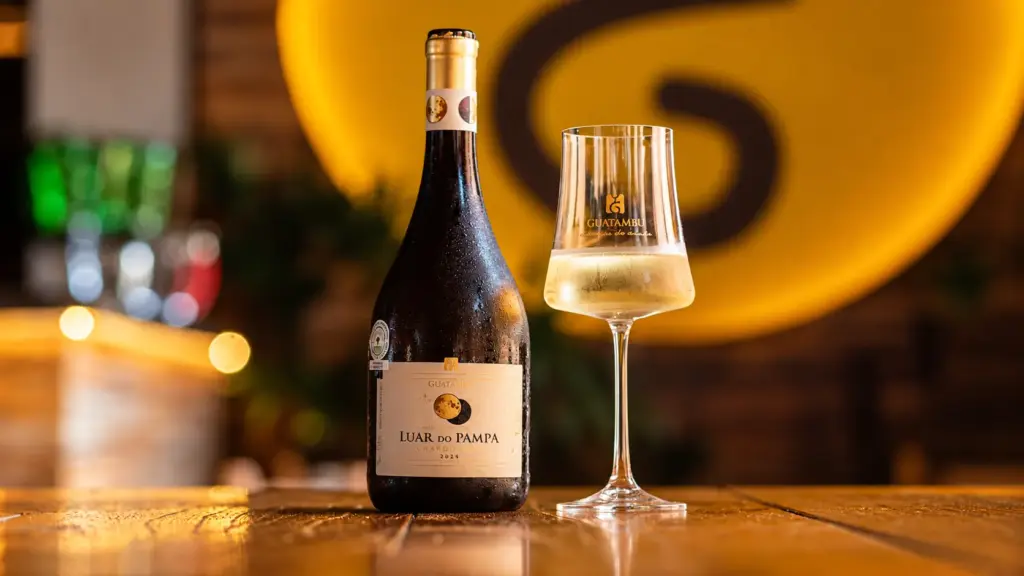
Not every beef dish needs to be paired with red wine. A leaner preparation with a creamy cheese sauce can work with Chardonnay. In this case, the sauce becomes an important factor in the choice. According to Gabriela, the creaminess of the cheese can correspond to the texture of a fuller-bodied Chardonnay. The principle remains the same: look for points of similarity between the food and the wine.
Another less conventional combination is sparkling wine with meat. At Guatambu, one of the proposed experiences involves a red sparkling wine made with Merlot. The drink brings together two important characteristics for pairing with meat: acidity and tannic presence. It is a less obvious choice, but one that is consistent with the same logic used for more traditional reds. “The person consuming it is the one who will judge and decide whether the pairing worked,” says the specialist.
Seasoning also changes the wine
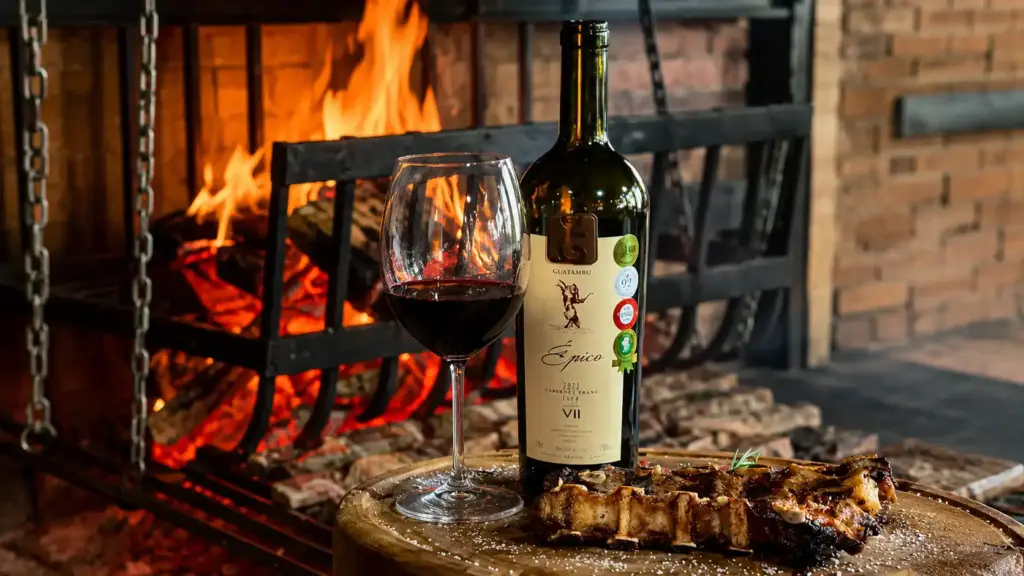
The cut is not the only element that should be taken into account. Sauces, seasonings and side dishes can alter the intensity of the dish and, as a result, completely change the choice of wine.
Gabriela cites chimichurri as an example. Meat served with an intense seasoning can easily overpower a very light white wine. The reverse can also happen. A highly structured wine with prolonged aging in oak can dominate starters and delicate preparations.
So, when it comes to barbecue, it is worth considering the whole dish, not just the cut.
| 3 combinations to get started Tri-tip + Pinot Noir A light combination, recommended for preserving the flavor of a leaner cut. Tri-tip + Merlot A slightly more structured option that remains balanced with less intense meats. Ribs + Tannat The fat and pronounced flavor of the meat pair well with a fuller-bodied wine with a strong tannic presence. |
For those unfamiliar with grape varieties, vintages or wine styles, Gabriela explains that a practical option is to look on the label or back label for information about body, intensity and oak aging.
Wines described as light, fresh or soft-tannined tend to pair better with leaner meats. Labels presented as structured, intense or age-worthy usually have enough power to accompany more intense cuts.
Serving temperature also affects the experience. At Guatambu, red wines are served at around 18°C, a range that helps preserve their aromas and balance. For more structured wines with aging potential, using a decanter can help increase contact with oxygen and encourage the aromas to open up before consumption.
The fact is that the best test is on the plate. Even with some combinations considered safe, pairing does not have to work like a fixed chart. For the specialist, the best result comes when the wine and food enhance each other. The wine should not disappear in the presence of the meat, nor should the meat be overshadowed by the drink.
That is why the same meat can work with more than one style of wine. The cut provides the starting point. The preparation, sauce, fat content and preferences of those at the table complete the choice.