Share


The livestock sector enters 2026 at a moment of transition, marked by optimistic projections and challenges that will shape performance throughout the year. Estimates for the next cycle combine factors such as fluctuations in the livestock cycle, advances in more robust technologies, a growing focus on sustainability and the impacts of international trade agreements. All these elements define a dynamic landscape for producers and policymakers.
Projections for the coming year indicate clear movements in the two main livestock segments. In beef cattle, availability of cattle for slaughter is expected to be lower in 2026, a consequence of higher female slaughter in previous cycles, a context combined with heated domestic consumption, which accounts for about 70% of national demand. In dairy, the trend points to an increase in global supply, which may put downward pressure on prices in Brazil, especially if GDP does not show robust growth.
These analyses were discussed at the Benchmark Agro, promoted by the CNA, where specialists such as Larissa Mouro (CNA), Thiago Rodrigues (Sebrae/MG), Glauco Carvalho (Embrapa Dairy Cattle) and Fernando Silveira (Senar/SC) previewed the projections and reinforced the importance of productive efficiency and cost management to ensure farm profitability.
On the beef panel, Antônio Chaker (Instituto Inttegra) and Rafael Ribeiro (CNA) also highlighted the need for integrated crop-livestock-forest systems and the use of technology to maximize margins and ensure environmental preservation.
Setor pecuarista busca novos modelos
In a Globo Rural report, Agrifatto CEO Lygia Pimentel points out that the slaughter of females made Brazil more internationally competitive, with prices approximately 22% lower than main competitors. Andréa Angelo, strategist at Warren, projects an arroba price between R$ 320 and R$ 360 throughout 2026, with up to a 10% increase in beef prices.
On the other hand, Oswaldo Pereira Júnior, from Acrimat, offers a more optimistic view for Mato Grosso, the country’s largest producer: the specialist forecasts an increase in slaughters and a stabilization of domestic supply during the period.
The adoption of artificial intelligence (AI) in livestock, assesses Pedro Paulo Pires, researcher and veterinarian at Embrapa Beef Cattle, “is expected to change the activity in the country,” as he said in an interview with Canal Rural. The technology allows producers to collect precise data on animals, pastures and management, simplifying and enhancing management.
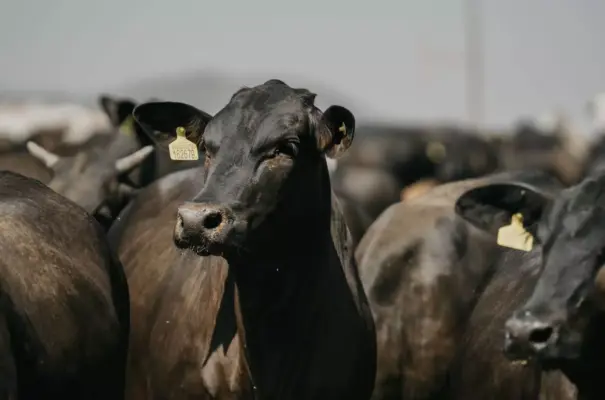
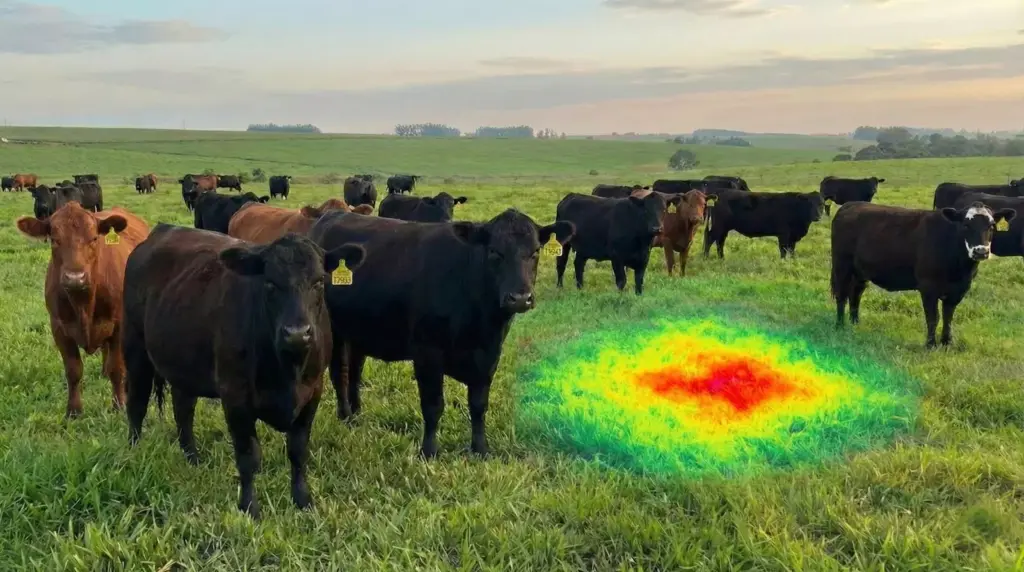
Sensors installed in electronic ear tags already monitor animals’ temperature, weight and location in real time, transmitting information over long distances without the need for specific readers. This enables quick strategic decisions, such as adjustments in nutritional management and identification of less productive pastures. AI also anticipates economic scenarios, guiding the best timing for selling animals based on global market trends.
Sinergia entre iniciativas públicas e privadas
Pires’ suggestions aligned with remarks by the Minister of Agriculture and Livestock, Carlos Fávaro, who highlighted the unprecedented emphasis on sustainability and climate risk management in the new Plano Safra. According to the Agro+ portal, around R$ 516 billion in funds were allocated to strengthen credit lines aimed at sustainability, in addition to encouraging good practices on farms.
Climate risk management, the recovery of degraded areas and the promotion of low-carbon emissions are priorities that speak directly to international market demands and the need to ensure competitiveness and food security. The livestock sector is called on to lead this transformation, aligning with global trends and the requirements of trade agreements.
Recent reports from Itaú BBA and Rabobank indicate that the sector is going through a period of structural adjustments, marked by tighter credit, compressed margins and greater demand for financial management.
According to Itaú BBA, the sector is experiencing its “third consecutive season”, marked by restricted rural credit, rising delinquency and the need for rigorous financial management. The bank emphasizes that producers will need to keep a “high guard”, as room for error will be minimal given the combination of weak commodities, volatile exchange rates and rising input costs.
Rabobank reinforces this view, noting that the year will involve structural adjustments and reorganization within the farm gate. Although margins remain compressed, Brazil maintains a competitive advantage through productive efficiency, a favorable exchange rate for exports and the adaptability of the rural producer.
According to Data Bridge Market Research, the global digital transformation market should surpass US$ 5 trillion by 2031, and agribusiness is among the drivers of that growth. For 2026, the sector is expected to consolidate three major technological fronts: intelligent mechanization, applied biotechnology and integrated digital platforms. Even with tight margins, these fronts will be sustained by strong external demand and stabilized food costs.
Leitura de mercado: a visão dos especialistas
For João Martins, president of the Confederation of Agriculture and Livestock of Brazil (CNA), 2025 was “a normal year”, precisely because the sector managed to do something that seemed unlikely: even with restricted credit and climate problems, the country set a new production record. According to him, that performance helped prevent another missed inflation target.
Meanwhile, the livestock’s gross production value (GPV) should grow 2.2% to reach R$ 528 billion in 2026, in addition to a 4.7% increase in beef cattle production. To mitigate potential growth hurdles, the CNA points to the need to articulate structural solutions that “promote predictability, confidence and resilience”.
One such strategy is expanding production without opening new land. A study highlighted by Agricultural Systems, involving researchers from Embrapa, warns that mechanisms traditionally used in livestock ignore variables such as grazing strategies, pasture composition and animals’ selective grazing.
Methods such as benchmarking, climate clustering, frontier analysis and production system models were discussed by professionals. Embrapa Southeast Livestock researcher Patrícia Menezes Santos points out that “these tools help identify areas that have greater potential to increase productivity”“, indicating paths for intensification without deforestation.
Even in a scenario of adjustments, the livestock sector has strategies and tools capable of increasing productive efficiency and reducing vulnerabilities. The combination of intensification without area expansion, data-based management and technology adoption enables producing more on smaller farms, with productivity and sustainability gains. This movement reinforces the sector’s adaptability and points to a cycle of greater balance between supply, competitiveness and meeting demand.
Reference sources:
Menor oferta de bovinos em 2026 para abate deve encarecer a carne
Pecuária do futuro: como a inteligência artificial deve mudar a atividade no País – Giro do Boi
Sustentabilidade e gestão de riscos ganham protagonisno no Plano Safra 2025-2026
Crédito rural para iniciantes: entenda o Plano Safra 2024/2025
CNA aponta cenário de incertezas e crescimento mais comedido do agro em 2026
Agricultural Systems | Journal | ScienceDirect.com by Elsevier