Share


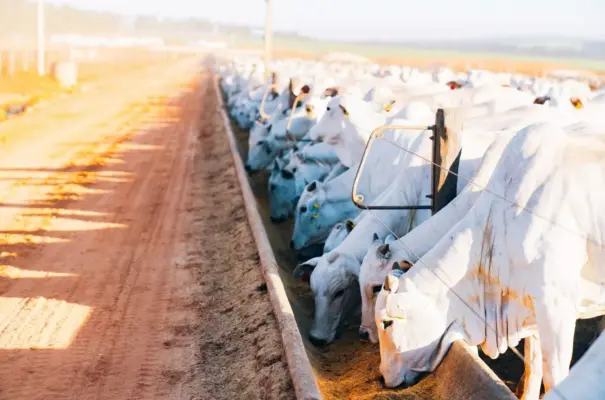
Technologies are redefining livestock feeding, bringing about a structural transformation that makes production systems more efficient and sustainable. From this arises precision nutrition, a strategy based on decision-making grounded in information. The focus is to increase efficiency through greater cattle weight gain and reduced input waste.
The approach is based on the use of zootechnical data, software specialized tools and strategic inputs to formulate diets adjusted to the animals’ nutritional requirements at each productive stage, a practice already widely discussed by institutions such as Embrapa.
The model opposes traditional practices in which herds were fed in a standardized way, without much differentiation among animals and without an informational basis. The result was nutritional losses for the animals, greater excretion of waste and high costs for the producer. These inefficiencies are corrected through modern nutrition models, in which diets are formulated according to weight, age, physiological stage and the animal’s production objective.
The end of undernutrition and overnutrition
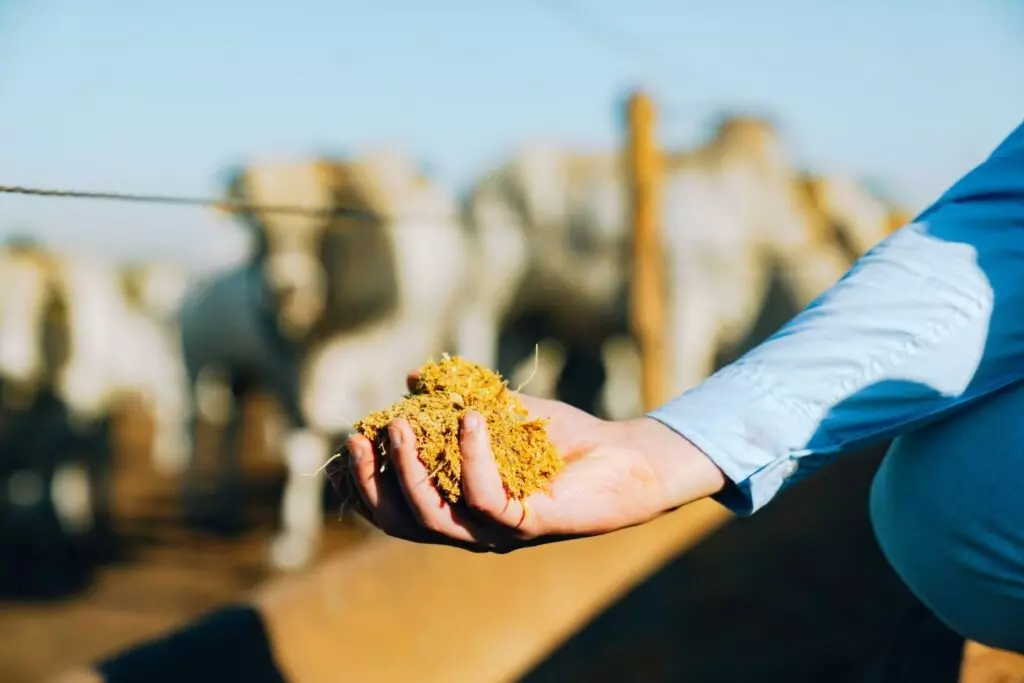
While more demanding animals (young animals in accelerated growth, for example) received fewer nutrients than they needed, others received them in excess. In the first scenario, problems such as lower average daily gain, delayed slaughter and worse feed conversion were observed; in the second, there was waste of protein and energy, higher cost per arroba, greater excretion of nitrogen and phosphorus and an amplified environmental impact, according to a report by the United Nations Food and Agriculture Organization (FAO).
Each animal category has a specific nutritional requirement: therefore, the diet must reflect its particularities. This is achieved through the fine adjustment of energy and protein, following the guidelines provided by the National Research Council (NRC), a global reference on nutritional requirements. They illustrate that small variations in the balance between energy and protein can significantly alter weight gain. “Energy,” in this context, refers to the fraction of feeds—such as corn, pasture or silage—that the animal can effectively convert into metabolic function and growth. It is this energy that sustains the body’s vital functions and, when available in adequate amounts, allows nutrients to be directed toward weight gain.
Therefore, the balance between energy and protein is decisive: if energy is insufficient, the animal prioritizes body maintenance and reduces the growth rate; when well adjusted, it enhances protein utilization and favors more efficient muscle tissue deposition. In this scenario, even small variations in the energy density of the diet can result in relevant differences in productive performance.
Experimental studies with finishing cattle (that is, animals in the final phase of the production cycle) evaluate specific precision nutrition strategies. Researchers at Oxford compare diet adjustments based on individual weight, expected growth rate, actual intake, feed composition and performance targets. Animals fed with precision showed average daily gain (ADG) equal to or greater than animals in the conventional group.
Software specialized play a role in precision nutrition
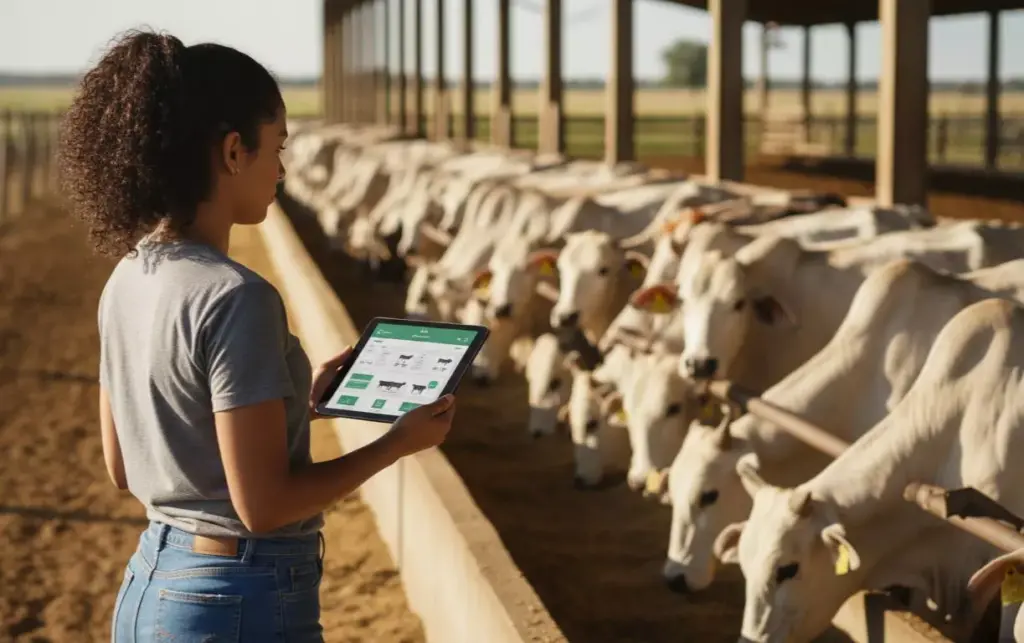
One of the pillars of modern precision nutrition is the presence of software that formulate diets based on real and up-to-date data about animal performance, feed composition and environmental conditions. These systems help producers make more accurate decisions by integrating complex information to generate precise recommendations.
The Cornell Net Carbohydrate and Protein System (CNCPS) is one of the most established examples in the field. Developed by Cornell University in Ithaca, New York, it calculates nutritional requirements and predicts performance based on detailed biological models.
Another widely used software is the Large Ruminant Nutrition System (LRNS), created by researchers at Texas A&M University. Although it uses the same computational engine as the CNCPS, it allows finer adjustments according to animal type, environment, management and the physicochemical characteristics of feeds available on the farm. With this, it is possible to simulate different nutritional scenarios and predict impacts on weight gain, intake and nutrient excretion.
The combination of ongoing research, public and private field initiatives and the use of specific software for livestock forms the ecosystem needed to minimize the impacts of global warming, improve production and overcome adversities faced by producers in vulnerable regions. Thus, strategies become based on science and data—not on trial and error.
Environmental impact, efficiency and the production cycle
Beyond economic impacts, precision nutrition contributes to environmental issues on a global scale. International bodies such as the Intergovernmental Panel on Climate Change (IPCC) and the FAO emphasize that relatively simple nutritional adjustments can generate significant beneficial effects in reducing carbon emissions and in the rational use of natural resources.
There is a direct relationship: the more efficient an animal is at converting feed into weight gain, the less the amount of resources—such as grain, water and land—needed to produce each kilogram of meat. This means that more efficient systems demand fewer inputs along the chain and, consequently, have a lower environmental impact per unit produced.
In this context, technologies applied to agricultural production play a strategic role in mitigating impacts and increasing the efficiency of food systems. Advances indicate that it is possible to reduce losses, optimize resource use and, consequently, decrease the intensity of emissions associated with production.
Sources:
264 Evaluation of Precision Feeding on Production Efficiency Responses in Finishing Beef Cattle
Cornell Net Carbohydrate and Protein System (CNCPS)
Food Security
Greenhouse gas emissions from pig and chicken supply chains
Mathematical Nutrition Models
Precision nutrition combines production and sustainability in dairy cattle
Nutrient Requirements of Beef Cattle: Eighth Revised Edition