

Share


As the world\’s biggest football competition approaches, interest in the behind-the-scenes preparation of athletes also grows. Far beyond training and tactics, there is a quiet work that happens daily off the pitch: nutrition.
In a report by BBC News Brasil, nutritionists and specialists show how players\’ diets have come to play a prominent role in the physical preparation of modern national teams. Today, nutrition, hydration and muscle recovery are part of the sporting strategy, just as much as technical training. But what can a diet focused on high performance teach us off the field? Although elite athletes have specific needs, many of the principles of sports nutrition can be adapted to the routines of ordinary people — respecting age, metabolism, level of physical activity and lifestyle.
According to the scientific consensus of the International Olympic Committee (IOC), published in the British Journal of Sports Medicine, appropriate nutritional strategies influence muscle recovery, maintenance of lean mass, hydration, energy availability and athletic performance. The document also highlights the importance of individualized meal planning, taking into account training intensity, energy expenditure, body composition and the timing of physical recovery.
In practice, this means that sports nutrition goes far beyond supplements or single meals before matches. The consensus emphasizes that carbohydrates help maintain energy during prolonged exercise, proteins participate in muscle recovery and maintenance, and adequate hydration directly affects physical performance and recovery capacity.
Although these recommendations are aimed at high-performance athletes, some of these principles can also be applied to the routine of ordinary people — respecting age, metabolism, routine and level of physical activity.
In other words, the central point is not extreme diets or miracle solutions. On the contrary. The foundation of sports nutrition remains the combination of varied, nutritionally dense foods.
- Performance starts well before training
- Supplements help, but do not replace meals
- But, after all, what do players eat before and after the game?
- From the pitch to the plate: how the athletes diet diet can help you
Performance starts well before training
In the pursuit of improving performance, stamina or daily health, supplementation, protein shakes or specific diets adopted by athletes may seem like possible solutions for those who do not exercise professionally. However, even for professionals, sporting performance does not depend only on supplements, but primarily on the construction of consistent eating habits.
Protein, for example, is fundamental for muscle recovery and health maintenance, as shown in an article by the Harvard T.H. Chan School of Public Health. But the overall quality of the diet matters more than isolated nutrients, the publication points out. Meats, eggs, milk, legumes, fruits, vegetables and whole grains remain the recommended foundation for a balanced diet.
In this context, animal-based foods continue to play a relevant role in providing high biological value proteins, as well as essential nutrients such as vitamin B12, iron, zinc and selenium. According to a report from the Food and Agriculture Organization of the United Nations (FAO), these nutrients are associated with muscular, immune and cognitive health.
Read also: New U.S. dietary guidelines reinforce the central role of meat in the diet
Supplements help, but do not replace meals

The popularization of sports nutrition has also driven the consumption of dietary supplements. Products like whey protein, protein bars and fortified drinks have become part of the routine of people who exercise. In many cases they can serve as nutritional support or a practical solution in busy routines. The problem begins when these products start to replace complete meals or when they are associated with the idea that a single nutrient is responsible for physical performance.
The British Dietetic Association (BDA) reinforces that the strategy known as “food first” — that is, prioritizing foods before supplementation — remains the most recommended approach for most physically active people.
Furthermore, excessive protein without professional guidance also raises warnings. The overconsumption of protein supplements can pose risks especially for individuals predisposed to kidney problems or with pre-existing metabolic diseases.
But, after all, what do players eat before and after the game?
Before matches, players usually prioritize meals with carbohydrates, adequate hydration and easily digestible foods. According to a Sportbuzz report, the goal is not only to “gain energy,” but to ensure physical stability throughout the match, reducing fatigue and gastrointestinal discomfort.
This strategy helps show that sports nutrition does not mean excess, but functionality. Eating properly before physical activity, for example, can impact energy, concentration and recovery — even in amateur training or a busy day-to-day routine.
According to Luciana Haddad, a digestive surgery physician and adjunct professor at the Faculty of Medicine at USP, muscle recovery after exercise depends on the replacement of proteins, which are essential for the repair and growth of muscle fibers. Meat is an excellent source of high biological value proteins, that is, it contains all the essential amino acids for muscle protein synthesis. She explains in detail each compound present in meat and its benefits for the body in this article.
From the pitch to the plate: how the athletes diet diet can help you
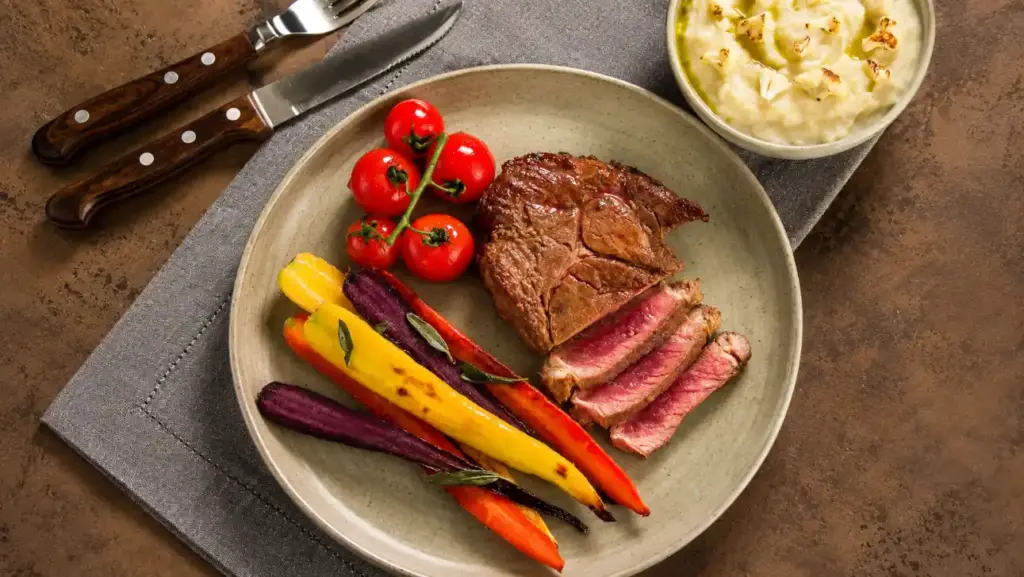
In practice, the logic of sports nutrition can be applied outside the world of professional athletes. Maintaining regular eating patterns, consuming adequate protein and avoiding excess ultra-processed foods are habits that help everyone from recreational exercisers to people who want more energy for work, study or healthy aging. But in the end, there is no “standard diet” for athletes!
Despite curiosity about national team menus, there is no universal formula for sports nutrition. Each athlete has different needs determined by factors such as training intensity, body composition, metabolism and position on the field. Perhaps this is the biggest lesson: the diet must be compatible with each person\’s particularities and lifestyle.
The same logic applies to the general public. The ideal diet for a sedentary person, a growing adolescent or someone who exercises daily will not be the same.
Professional athletes\’ nutritional preparation is based on consistency, balance, hydration, recovery and meal planning — not on instant solutions. This logic also applies to those far from the stadiums.
Instead of looking for nutritional shortcuts, it is recommended to look at the overall dietary pattern. The Dietary Guidelines for the Brazilian Population, from the Ministry of Health, reinforces the importance of prioritizing unprocessed or minimally processed foods and reducing the consumption of ultra-processed foods in daily life.
Getting enough sleep, maintaining adequate hydration, consuming a variety of foods and ensuring a balanced intake of nutrients remain fundamental pillars for both athletes and ordinary people.
In the end, sports nutrition may teach less about high performance and more about sustaining health throughout life.
Read also: Beef and athletes: why this is a successful partnership?
Reference links
- BBC News Brasil – World Cup 2022: how is a football player\’s diet?
- British Dietetic Association (BDA)
- FAO – Contribution of terrestrial animal source food to healthy diets for improved nutrition and health outcomes
- Dietary Guidelines for the Brazilian Population
- Harvard T.H. Chan School of Public Health – Protein
- IOC Consensus Statement – Dietary Supplements and the High-Performance Athlete
- Revista de Nutrição – Overall diet quality of female football players
- Sportbuzz – What do players eat before entering the field