Share


At a butcher shop display counter or on a restaurant menu, two cuts with the same name can have considerably different prices. The explanation may lie in the animal’s breed, the selection of the raw material, the marbling, or the aging and finishing processes that make a cut premium.
Achieving a distinctive dining experience, combining greater tenderness, juiciness and flavor, involves decisions made from cattle raising through processing and preparation.
Marbling: the fat that is part of the experience
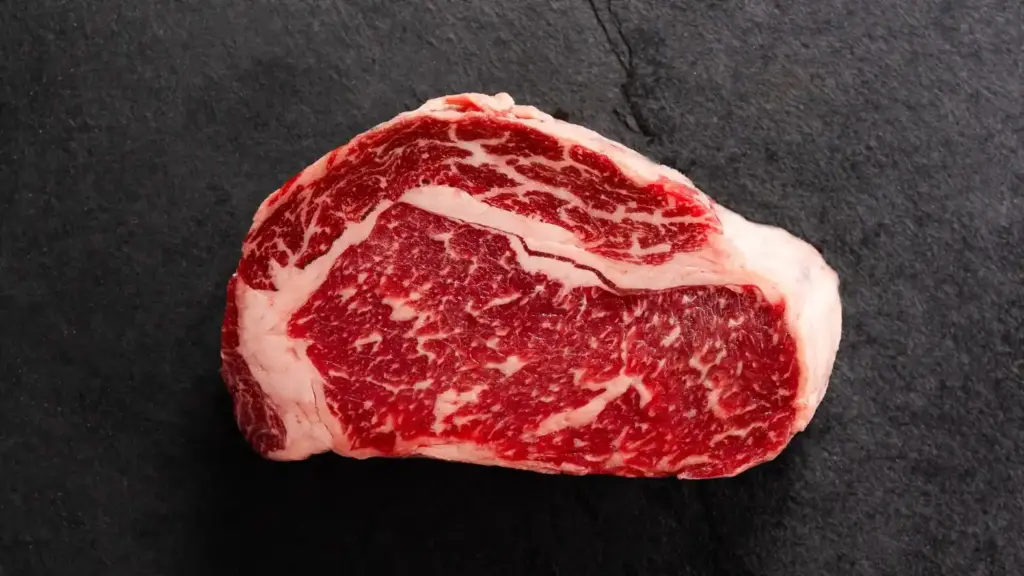
The small light-colored spots and veins distributed throughout the muscle are known as marbling. They correspond to intramuscular fat and differ from the fat cap that covers the outside of some cuts.
Marbling contributes to the perception of juiciness and flavor in cooked beef. Its amount and distribution also help explain why cuts that appear similar can offer different experiences. Meat & Livestock Australia (MLA) uses these attributes when assessing marbling, with criteria specific to each system.
Even so, marbling and tenderness are not synonymous. Muscle structure and the amount of connective tissue also influence how resistant beef is to chewing. The Beef Cattle Research Council points out that a high degree of marbling alone does not guarantee an excellent eating experience. Protein structure, the animal’s age at slaughter and collagen content also influence tenderness.
That is why the choice of beef also depends on the desired result. One person may value the juiciness of a more highly marbled cut, while another may be looking for a leaner cut or one with a higher collagen content. In other words, quality must be assessed together with the characteristics of the cut and the preparation method.
How genetics and feeding influence beef
Genetics contributes to an animal’s ability to deposit fat between its muscles and develop specific carcass characteristics. Herd improvement makes it possible to select these traits over generations, but their potential must be supported by suitable feeding and management conditions.
According to the Beef Cattle Research Council, genetic selection for growth and marbling has contributed to the evolution of Canadian beef quality, for example. The organization also highlights the role of factors such as diet, finishing time and herd composition in this outcome.
Feeding, in turn, can modify the deposition and composition of fat, as well as influence sensory attributes. In a study involving Angus and Hereford cattle, corn finishing produced a greater amount of intramuscular fat than forage-based systems. However, the study found no consistent differences in tenderness between the treatments.
Tenderness also depends on aging and management
Beef quality continues to develop after slaughter. During aging, carried out under controlled storage conditions, natural enzymes act on muscle structures and help improve tenderness.
According to the MLA, this effect varies between muscles and decreases over time. There is therefore no set number of days that produces the same result in every cut. However, premium brands such as Cabaña Las Lilas and Estância 92, from Minerva Foods, adopt a minimum aging period of 15 days as their standard.
Care for the animals also plays a role in this process. Stressful situations before slaughter can reduce the muscle’s energy reserves and interfere with the drop in pH that occurs as muscle is transformed into meat. A high pH can affect color, shelf life and eating characteristics, as explained by the MLA in its material on sensory quality. For the organization, a pH above 5.70 is already considered a high indicator.
That is why animal welfare matters in its own right and is also part of the care required to preserve raw-material quality. Genetics and feeding need to be supported by appropriate management, processing and storage.
Read also: Animal welfare also affects beef quality
How is quality classified internationally?
International systems do not measure exactly the same characteristics. Some classify the carcass; others combine information to predict the eating experience of each cut.
In the United States, the USDA quality grading system considers marbling and maturity. The best-known categories include Prime, Choice and Select, each with different intramuscular fat requirements. The Beef Research technical material explains how these factors combine to define the categories.
In Australia, the AUS-MEAT scale visually assesses marbling from 0 to 9. The Meat Standards Australia (MSA) marbling assessment uses a more detailed scale, taking into account the amount and distribution of fat. The two scores are determined independently because they follow different criteria.
But the MSA program goes beyond marbling: it records factors such as physiological maturity, fat cover and pH, assigning a quality grade for the eating experience of cuts. Its recommendations also take aging and cooking method into account.
Are a special cut and premium beef the same thing?
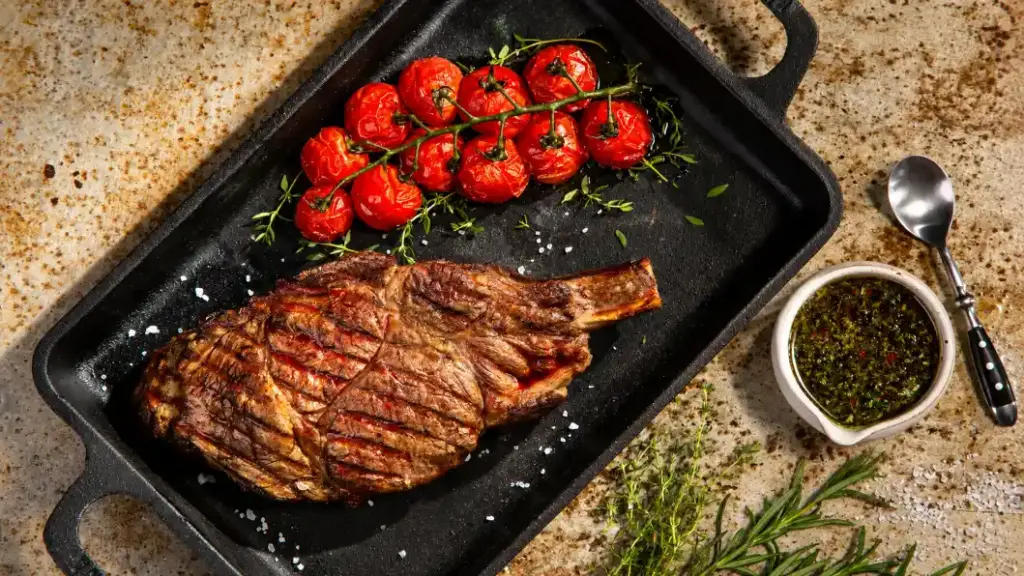
A special cut describes the way a piece is separated from the carcass and presented. Premium beef refers to the characteristics of the raw material and the criteria used to select it.
This distinction is presented by Luciano de Andrade, manager of Minerva Foods’ special lines, in the article about the different names for beef. Precise butchering can create new products and culinary applications, but it must be accompanied by raw material consistent with the promised experience.
Prime Rib, for example, retains the bone from the ribeye area, changing its presentation and the dynamics of preparation. Cuts such as Flat Iron and Denver Steak, meanwhile, result from techniques that separate individual muscles and make greater use of sections of the beef forequarter.
Thus, the name of the cut alone is not enough to justify its quality. The selection of the beef, the finishing and the preparation must support the culinary proposition presented to the consumer.
From selection to the table
For those choosing beef for a unique and unforgettable sensory experience, expectations involve both the result of that meal and the desire to repeat it. Cabaña Las Lilas, a Minerva Foods brand, is an example of positioning aimed at fine dining, associated with the selection of animals from British breeds and attributes such as tenderness, flavor and a distinctive texture. In its portfolio, the Black line highlights marbling as one of the elements of the sensory experience.
- Minerva Foods — Cabaña Las Lilas.
- My Minerva — O que está por trás dos nomes diferentes da carne?.
- MLA — Marbling.
- MLA — MSA Grading.
- MLA — How ageing affects beef eating quality.
- MLA — Factors affecting eating quality.
- MLA — Meat safety and traceability.
- Beef Research — Beef Grading.
- Beef Cattle Research Council — Genes Behind the Scenes.
- Beef Cattle Research Council — How Does Forage Finishing Affect Product Quality?.
- Beef Cattle Research Council — Tender Beef, Tough Funding Cuts.