
Share


“Red meat inflames the body” has become a recurring claim in content about food and health. The phrase, however, brings together different phenomena in a single conclusion: an immediate reaction by the body, a persistent inflammatory process, and changes in markers detected only through testing. Before putting a food on trial, it is necessary to understand what science calls inflammation and under what conditions diet can influence it.
Inflammation is a defense response triggered when the body identifies a threat or injury, caused, for example, by microorganisms, parasites, immune reactions, or physical and chemical agents. Its purpose is to combat the cause of the damage and begin tissue repair. This reaction may be evident, as it is in the case of an injury, or remain low-grade and without specific symptoms for prolonged periods.
It is primarily this persistent inflammation that appears in discussions about food. Its development, however, is not usually the result of a single food, but of the interaction between dietary pattern, amount and frequency of consumption, lifestyle, microbiome, and individual health conditions. According to General Pathology at the Federal University of Acre (UFAC), the process is divided into two main categories:
- Acute inflammation: begins rapidly, is short-lived, and is primarily characterized by edema (swelling) and the migration of leukocytes (neutrophils) to the extravascular tissue, as well as vascular changes (such as vasodilation and increased permeability) that manifest as pain, swelling, redness, heat, and loss of function.
- Chronic inflammation: lasts longer and is marked by the presence of lymphocytes, cells that coordinate the defense response, and macrophages, which identify and eliminate harmful agents and cellular debris. It may also simultaneously involve tissue destruction, blood-vessel proliferation, fibrosis (an attempt at healing), and necrosis. Its signs and symptoms vary according to the cause and the affected area and may include persistent or recurring pain, swelling, loss of function, and, in some cases, more nonspecific manifestations such as fatigue and malaise.
Although chronic inflammation is triggered by persistent infections, prolonged exposure to toxic agents, or autoimmunity, dietary pattern and the body’s specific response to red meat are essential to maintaining organic balance.
Does red meat really inflame the body?
The question of whether red meat inflames the human body often receives simplistic and definitive answers, but scientific reality reveals a much subtler scenario, one that depends on consumption patterns and each person’s individual biology. For many years, the traditional suspicion that red meat was harmful to the heart focused almost exclusively on saturated fat, which is known to raise LDL cholesterol. However, recent studies show that the harmful effects of this fat are not sufficient to explain on their own the cardiovascular risks associated with abundant red-meat consumption. In fact, there is a much more complex and important mechanism mediated by the gut microbiome: the vast collection of bacteria that naturally inhabits our digestive system.
Read also: Lean red meat may help protect the heart in older adults
The true inflammatory trigger does not lie in the meat itself, but in a chain of events that begins in the intestine. Individuals who consume large amounts of red meat develop an abundance of specific gut bacteria. These microorganisms break down carnitine, a nutrient abundant in the food, and convert it into a chemical compound called TMAO (trimethylamine N-oxide). Elevated levels of TMAO circulating in the blood directly inflame the arteries, accelerate atherosclerosis, and increase the likelihood of blood-clot formation.
The major misconception to clear up is that this process is entirely circumstantial and reversible. As vascular surgeon Dr. Daniel Benitti warns, “the problem is not eating meat; it is eating too much meat and having too little variety in the menu.” When consumption is moderate and balanced with a fiber-rich variety of foods (such as vegetables, fruit, and beans), beneficial bacteria are nourished, preventing TMAO-producing microbes from proliferating.
In addition, including fermented foods (such as yogurt and kimchi) helps support gut health.
Learn more: Grass-fed cattle are richer in omega-3
The nutritional role of meat: a question of balance
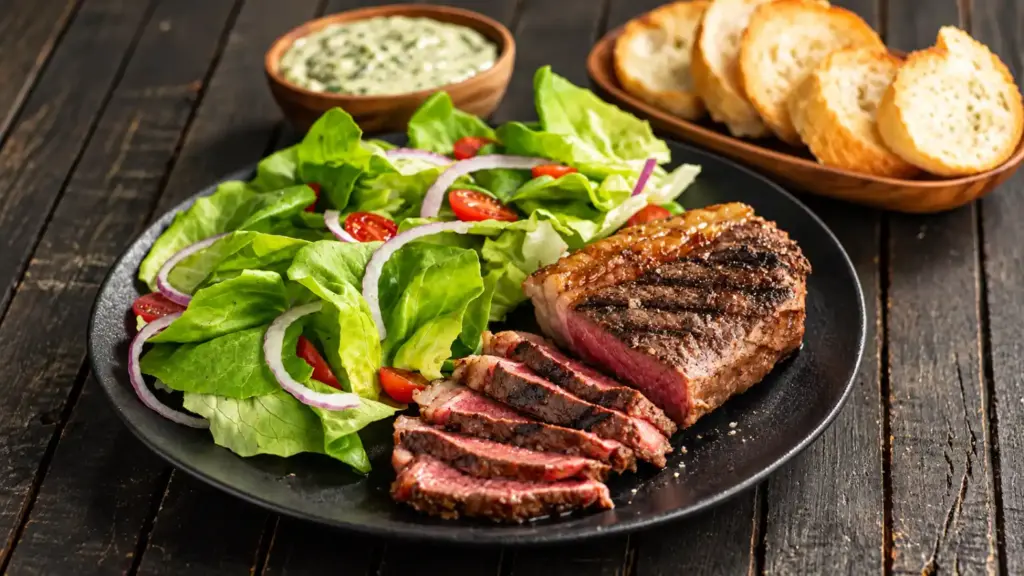
Once it is understood that inflammation depends on consumption patterns and the gut, it becomes clear that red meat should not be labeled a villain or simply discarded, since it plays an extremely important nutritional role by providing essential nutrients in a balanced way.
Lean red meat stands out as a rich source of nutrients essential to human health, providing highly digestible, high-biological-value proteins that contain all the essential amino acids.
According to a study published in the journal Nutrition & Dietetics, a 100 g serving of lean meat can provide more than 25% of the Recommended Daily Intake (RDI) of protein, niacin, phosphorus, zinc, iron, and vitamins B6 and B12, as well as more than 10% of the RDI of riboflavin, pantothenic acid, and selenium, in addition to other nutrients, as shown in the following table:
| Nutrient/compound | Benefit to the body | Amount per 100 g of lean meat |
| Protein | Provides essential amino acids for the formation and maintenance of muscles, tissues, enzymes, and other structures in the body. | More than 25% of the RDI |
| Heme iron | Participates in hemoglobin formation and the transport of oxygen throughout the body. Its heme form has high bioavailability. | More than 25% of the RDI for iron |
| Zinc | Contributes to immune-system function, protein synthesis, wound healing, and cell division. | More than 25% of the RDI |
| Phosphorus | Plays a role in the formation and maintenance of bones and teeth and participates in the production and storage of cellular energy. | More than 25% of the RDI |
| Niacin (vitamin B3) | Participates in energy metabolism, helping the body convert nutrients from food into energy. | More than 25% of the RDI |
| Vitamin B6 | Participates in protein metabolism, neurotransmitter formation, and immune-system function. | More than 25% of the RDI |
| Vitamin B12 | Is necessary for blood-cell formation, DNA synthesis, and proper nervous-system function. | More than 25% of the RDI |
| Riboflavin (vitamin B2) | Participates in energy production and important metabolic reactions in cells. | More than 10% of the RDI |
| Pantothenic acid (vitamin B5) | Plays a role in the metabolism of carbohydrates, fats, and proteins and in energy production. | More than 10% of the RDI |
| Selenium | Is part of antioxidant enzymes that help protect cells from oxidative damage and participates in thyroid function. | More than 10% of the RDI |
| Magnesium | Participates in muscle and nerve function, energy production, and bone maintenance. | 25 to 28 mg — about 6% of the daily requirement |
| Creatine | Helps make energy rapidly available to muscles, especially during high-intensity exertion. | About 350 mg |
| Carnosine | Acts as an antioxidant and helps protect cells from oxidative stress. | About 365 mg |
| Taurine | Participates in cellular and metabolic functions, including muscle activity and antioxidant mechanisms. | 77 to 110 mg |
| Carnitine | Transports fatty acids to the mitochondria, where they can be used to produce energy. | Cattle: about 60 mg; sheep: up to 209 mg |
Red meat, arterial inflammation, and the role of the microbiota

The key to reconciling red meat with the prevention of TMAO-induced arterial inflammation lies in a strong point of convergence between U.S. guidelines and cardiovascular medicine: the role of the gut microbiome. The U.S. health committee clarifies that healthy proteins and fats should not be consumed in isolation, but rather combined with vegetables and fruit. According to official government documents, this association between protein and vegetables is the foundation for supporting muscle health, metabolic function, and, above all, gut health.
As vascular surgeon Dr. Daniel Benitti explains, the risk of producing inflammatory substances from red-meat consumption is directly linked to excessive consumption combined with a monotonous, fiber-poor diet. Without a variety of fiber-rich foods to “feed” the good bacteria, harmful bacteria proliferate excessively and begin metabolizing the carnitine in meat, transforming it into TMAO — the actual cause of arterial inflammation, atherosclerosis, and clots.
So how can you eat meat mindfully?
The answer to this question gained a new and important chapter with the recent Dietary Guidelines for the United States (2025–2030). In a historic shift away from the carbohydrate-focused model of the old 1992 food pyramid, U.S. government agencies (USDA and HHS) launched the official “Eat Real Food” program (“Eat Real Food”), repositioning high-quality proteins, including red meat, and healthy fats as the structural foundation of meals. The primary goal of this reformulation is to combat the serious national public-health crisis marked by high rates of obesity, type 2 diabetes, and cardiovascular disease.
Under this new paradigm, red meat is officially recognized for its high nutrient density and for naturally providing complete proteins and essential micronutrients. Accordingly, the new guidelines set a daily target of 1.2 to 1.6 grams of protein per kilogram of body weight.
Therefore, to enjoy red meat as a nutritional centerpiece safely and mindfully, its consumption should be structured around the following principles:
Prioritize “Real Food” (Real Food)
Follow the official definition in the American guidelines by choosing meat in its natural or minimally processed state, prepared with few ingredients and without industrial oils, added sugars, preservatives, or artificial flavorings.
Ensure a fiber-rich, varied diet
Avoid consuming red meat on its own. Accompany meals with a wide variety of vegetables and fruit (the guidelines suggest aiming for three servings of vegetables and two servings of fruit per day), as well as beans. These fibers nourish beneficial bacteria and prevent harmful TMAO-producing microbes from multiplying.
Include fermented foods
As Dr. Benitti points out, introducing items such as yogurt and kimchi into everyday meals provides beneficial microorganisms that are essential for supporting and defending the gut ecosystem.
Alternate your protein sources
To reach the recommended daily target of 1.2 to 1.6 g/kg of protein, vary your diet by also consuming white meat, eggs, seafood, whole-milk dairy products, nuts, seeds, and legumes.
Prioritize meat from animals raised primarily on pasture (grass-fed)
Whenever possible, choose meat from animals raised on pasture (grass-fed). Williams’s 2007 study shows that meat from animals raised under this system has a much healthier lipid profile and is an important source of long-chain omega-3 fatty acids (such as EPA and DHA) compared with meat from animals raised in prolonged confinement and fed exclusively on grain.
- 6 Ways to Fit Meat Into a Healthy Mediterranean Diet – Oldways
- 30-Minute Bulgur Pilaf (Turkish Recipe) – Hungry Paprikas
- Alimentos inflamatórios: quais são eles? – Nav Dasa
- Ferro não é tudo igual – My Minerva Foods
- Inflamação aguda e crônica – UFAC
- Low-Grade Inflammation and Ultra-Processed Foods Consumption: A Review – Nutrients
- Linking anaerobic gut bacteria and cardiovascular disease – Nature
- Nutritional composition of red meat – Peter Williams
- Por que a carne vermelha inflama? Devo parar de comer? Mas eu tenho Lipedema.- BNT
- Effects of Total Red Meat Intake on Glycemic Control and Inflammatory Biomarkers: A Meta-Analysis of Randomized Controlled Trials