Learn how to adjust your nutrition to avoid gastrointestinal discomfort, maintain energy levels, and optimize muscle recovery.
Gathering family and friends around the barbecue is more than a tradition. Research shows why this shared experience is also associated with well-being.
After exercise, muscle recovery depends on protein—but also on the combination of proper nutrition, hydration, and rest.
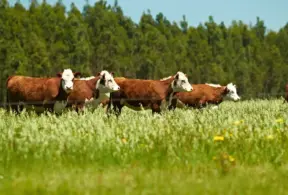
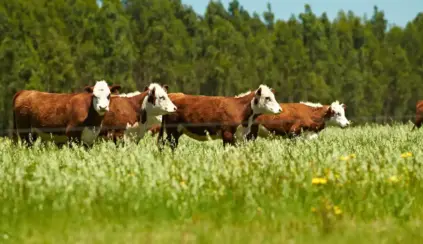
Understand the difference between the two cattle feeding systems and how each one shapes your culinary experience.
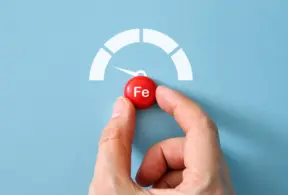
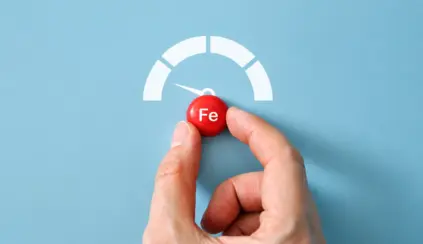
Heme iron, found in animal-source foods, is more efficiently absorbed by the body. Learn how to maximize your iron intake—and support your health—with this essential mineral.
The progressive loss of muscle mass and strength, known as sarcopenia, does not affect only older adults.
Carbohydrates, protein, and the type of physical activity all influence pre-workout nutrition. Learn why there is no one-size-fits-all pre-workout strategy.
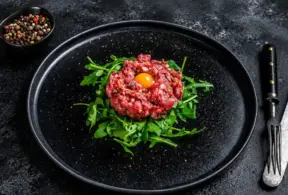
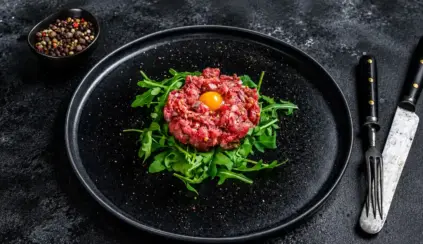
Carpaccio, steak tartare, and kibbeh nayyeh are classic dishes that demonstrate how food safety depends on the way meat is handled, stored, and prepared.
The risk is not necessarily in how rare the meat is cooked, but rather in the preparation method, the cut selected, and the potential for microbiological contamination.
Scientific reviews and international guidelines are shifting the debate away from saturated fat and toward the impact of industrial food processing on cardiovascular health.
As the world’s biggest football tournament approaches, athletes’ nutrition is shining a spotlight on an important question: are supplements valuable allies or simply an illusion?
The new guidelines establish targets for high-quality protein consumption through 2030, with beef positioned at the center of this agenda.