Beef and beans can provide similar amounts of iron, but they differ in the form of the mineral and its absorption. Understand the roles of heme iron, vitamin C, and phytates.
The origin of a food does not alone determine its quality, as its fatty acid profile, processing, and the amount consumed also influence its effects.
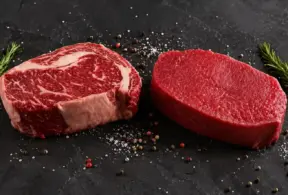
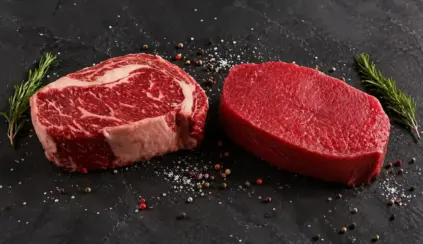
The amount and location of the fat influence both the nutritional composition and the outcome of each preparation. Learn how to make the best choice.
The molecule is the same, but the concentration, method of consumption, and associated nutrients differ between the food and the formulated product.
Zinc from meat and zinc from plant sources differ primarily in bioavailability. Understand how phytates influence the body's absorption and utilization of the mineral.
Vitamin B12 from meat and supplements differs in concentration and in how it reaches the digestive system. Learn how absorption occurs and when each strategy might be recommended.
In a year marked by the FIFA World Cup, experts explain why the principles of sports nutrition can help ordinary people achieve greater energy, balance, and quality of life.
Learn what defines lean red meat and why it is important for your health.
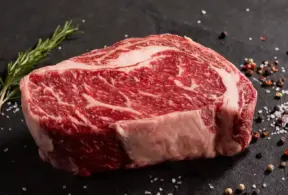
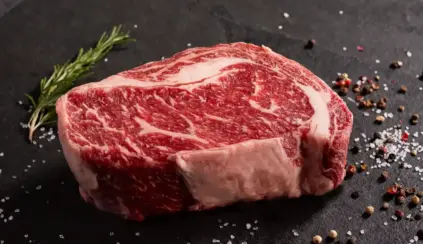
Flavor, tenderness, and juiciness result from a combination of different characteristics of beef. One of them is the distribution of fat within the muscle tissue, which also influences the nutritional composition of each cut—the famous “marbling”.
These components play a role in the building and renewal of tissues but must be obtained through the diet.
Stored mainly in the muscles, this compound is part of an energy system activated during periods of greater physical demand.
Bioavailability is the proportion of an ingested nutrient that becomes available to be absorbed and used by the body. Therefore,...