
Share


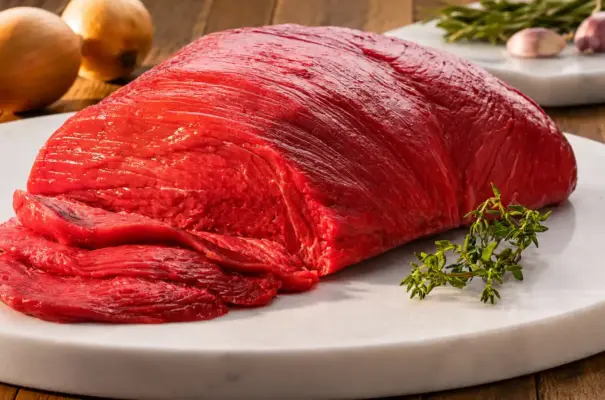
When it comes to the nutritional value of beef, protein usually takes center stage. However, the food also provides important vitamins and minerals for the body’s functioning, including iron, zinc and B vitamins. Beef provides this nutrient along with high biological value proteins, iron, zinc and other compounds. This combination contributes to its nutritional density, as explained in My Minerva’s content on ways to make the most of the benefits of beef in everyday life.
Vitamin B12 is part of this group of micronutrients. Because the human body cannot produce enough of it, it must be obtained through food, fortified products or, in specific situations, through guided supplementation.
Also known as cobalamin, B12 is a water-soluble vitamin found naturally in animal-based foods. In beef, it remains associated with the food’s proteins and is released during digestion.
After this release, the vitamin binds to intrinsic factor, a protein produced in the stomach. It then moves on to the small intestine, where absorption takes place. Therefore, B12 utilization depends not only on the amount consumed, but also on the proper functioning of the digestive system.
Browse the content:
- Why is vitamin B12 from beef important for health?
- What does science say about vitamin B12 from beef?
- Who benefits from consuming vitamin B12 from beef?
- How to include vitamin B12 from beef in the diet?
- Myths and facts about vitamin B12 from beef
- Vitamin B12 from meat is always better absorbed
- Only supplements provide vitamin B12
- People who eat meat do not have vitamin B12 deficiency
- Beef is an important source of vitamin B12
Why is vitamin B12 from beef important for health?
Vitamin B12 plays a role in the proper formation of red blood cells, DNA synthesis and the maintenance of the nervous system. It also acts in reactions related to cell metabolism and cell division.
When its levels drop too low, symptoms such as fatigue, weakness, megaloblastic anemia and neurological problems may appear. Megaloblastic anemia occurs when the body produces larger, improperly developed red blood cells, a condition that may also be linked to folate deficiency, a nutrient essential for DNA synthesis and the formation of new cells.
However, eating foods with vitamin B12 does not provide an absolute guarantee against deficiency. Changes in the stomach or intestines, certain clinical conditions and the prolonged use of some medications can impair absorption.
What does science say about vitamin B12 from beef?
According to an article published by My Minerva, 100 grams of beef provide, on average, between 2.5 and 2.6 micrograms of vitamin B12. This amount can vary depending on the cut, the composition of the food and the portion consumed. Beef liver, for example, has an even higher concentration of this nutrient.
Intake recommendations vary according to the institution used as a reference. The National Institutes of Health sets 2.4 micrograms per day for adults, while the European Food Safety Authority considers a daily intake of 4 micrograms adequate for this population.
These differences do not mean that one reference is necessarily wrong. They stem from the scientific criteria used by each institution. In addition, the amount present in the food does not automatically correspond to the total absorbed, since this process depends on intrinsic factor and the integrity of the digestive system.
The topic is also explored in the article Meat is one of the few natural sources of B12, published by My Minerva.
Who benefits from consuming vitamin B12 from beef?
Getting enough vitamin B12 is important for the entire population, since its functions are related to blood cell formation and the functioning of the nervous system. Even so, some groups need to pay closer attention to this nutrient.
Pregnant and breastfeeding women have increased needs, while children and adolescents go through periods of growth and intense cell division. Older adults also deserve attention, as digestive changes associated with aging can make it harder to release and absorb the vitamin present in food.
People who use metformin or medications that reduce stomach acidity, as well as those who have undergone gastrointestinal surgery or have diseases that impair absorption, may develop deficiency even if they consume dietary sources of B12.
Those who restrict or eliminate animal products need to seek fortified foods or guided supplementation. In these situations, evaluation by a doctor or nutritionist helps determine the most appropriate strategy.
How to include vitamin B12 from beef in the diet?
Beef can be part of balanced meals, alongside rice, beans, vegetables, greens and other foods that broaden the diet’s range of nutrients. In addition to beef cuts, vitamin B12 is also naturally present in fish, poultry, eggs, milk and dairy products.
Varying food sources and the cuts consumed helps build a more diversified diet. My Minerva’s content on the nutrients found in red meat presents other components found in the food, such as iron, zinc and B vitamins.
However, increasing meat consumption on your own does not necessarily solve a deficiency. When the problem is related to absorption, fortified foods or supplements may be needed, always according to guidance from a health professional.
Myths and facts about vitamin B12 from beef
Vitamin B12 from meat is always better absorbed
Partially true. Beef provides vitamin B12 naturally, but absorption depends on digestion, the presence of intrinsic factor and intestinal function. For this reason, it cannot be said that it will always be better absorbed than vitamin B12 in fortified foods or supplements.
Only supplements provide vitamin B12
Myth. Vitamin B12 is naturally present in animal-based foods such as beef, fish, poultry, eggs, milk and dairy products. Supplements are used when the diet does not meet needs or when there is difficulty absorbing it.
People who eat meat do not have vitamin B12 deficiency
Myth. Even people who eat meat can have insufficient vitamin B12 levels. This can happen due to digestive changes, clinical conditions or the use of medications that interfere with nutrient utilization.
Beef is an important source of vitamin B12
True. Beef naturally provides vitamin B12 and can contribute to the intake of this nutrient when part of a balanced diet. However, the amount consumed and each person’s ability to absorb it must also be considered.