Share


How can we ensure food security for a global population projected to reach 9.7 billion people in the coming decades without opening new land, according to United Nations projections, while reducing emissions and easing pressure on natural resources? That question is at the center of the debate on sustainability in agriculture and, especially, in livestock.
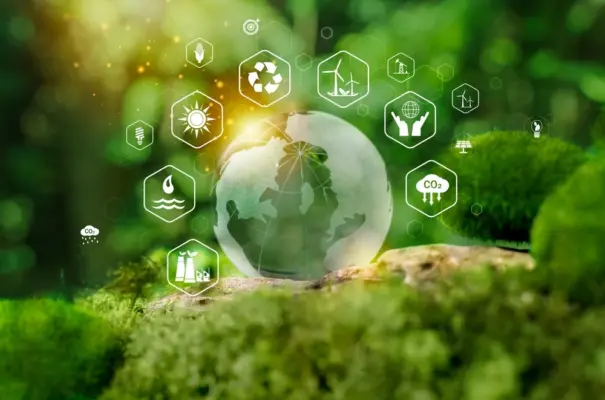
This context reflects the breadth and complexity of the concept of sustainability, which includes the ability to balance production, economic viability, social responsibility and environmental conservation in a single equation. In other words: produce more food competitively, using fewer resources and with lower impact intensity.
In livestock, this involves discussions about efficient land use, restoration of degraded pastures, traceability, animal welfare, genetics, nutrition, resource and input management, and technological innovation.
This broad and diverse universe is what you will find in the “Consumer” section of the My Minerva Foods portal — a content platform that translates technical knowledge into accessible, contextualized information, presenting the benefits of beef in their entirety.
Why livestock is at the center of the sustainability debate
Livestock occupies a strategic position in the sustainability discussion precisely because it concentrates, at the same time, part of the challenges and part of the solutions.
The sector is fundamental to supplying protein, generating employment, regional development and food security, especially in countries with a strong agricultural vocation, such as Brazil.
At the same time, the sector is at the center of debates about greenhouse gas (GHG) emissions, land use, deforestation, water consumption, traceability and animal welfare. This centrality means the sector is constantly challenged to demonstrate how it can increase production, reduce impacts and respond to global climate and regulatory demands.
Produce more with less: the logic of the new livestock
The concept “produce more with less” is gaining traction. In practice, this means increasing productivity without expanding into new areas, reducing pressure on natural resources and improving production efficiency through science, innovation and technology.
Strategies such as restoring degraded pastures, resource and input management, integration of agricultural activities, the use of algorithms and artificial intelligence in the field are transforming livestock across regions. The logic no longer pits productivity against sustainability, but shows that production efficiency and impact reduction tend to go hand in hand.
A debate based on science
This is the approach that guides the sustainability editorial of the My Minerva Foods portal. The content is based on data, research, scientific articles and practical experiences to explore complex topics in a contextualized way, contributing to a more qualified debate about the challenges and transformations of contemporary livestock.
By connecting science, technology, sustainability and food production, the editorial seeks to broaden understanding of the role of livestock in modern food systems, going beyond the common simplifications found on social media and bringing readers closer to an increasingly strategic technical debate for the future of global food production and the preservation of the planet for this and future generations.