
Share


Foot-and-mouth disease (FMD) is a highly contagious viral disease that affects cloven-hoofed animals, including cattle, pigs, sheep, goats, and wildlife species such as deer and peccaries. Caused by a virus of the Aphthovirus genus, it spreads easily through the air, direct contact between animals, and contaminated equipment, vehicles, and clothing.
In infected animals, the disease causes fever and painful lesions in the mouth, feet, and udder, impairing feeding, mobility, and milk production. In severe cases, particularly among young animals, it can be fatal.
The economic impacts are also significant. In addition to reducing herd productivity and generating costs associated with control and eradication measures, disease outbreaks can lead to restrictions on international trade. Affected countries may lose access to key export markets for meat and other animal products, disrupting entire production chains and causing billions of dollars in losses.
For decades, foot-and-mouth disease was one of the main sanitary challenges facing the global livestock industry. In 2025, Brazil reached a historic milestone when it was recognized as foot-and-mouth disease-free without vaccination by the World Organisation for Animal Health (WOAH), a development that reshapes the country’s position in the global animal protein market.
The new status indicates that Brazil has eliminated the circulation of the virus without relying on continuous vaccination while meeting stringent surveillance and disease-response requirements.
According to WOAH, official disease-free recognition is granted only to countries that can demonstrate the absence of the disease and maintain robust monitoring systems.
According to the Brazilian government, this achievement is the result of a continuous effort to strengthen animal health defenses, improve coordination among states, and enhance border controls.
The Impact on International Trade
The recognition goes beyond a technical achievement and has direct implications for global trade. WOAH notes that disease-free status facilitates international commerce by increasing confidence among importers and exporters, as sanitary status is one of the key factors considered in trade negotiations.
As a result, Brazil strengthens its global competitiveness and expands export opportunities for meat and other animal products in high-value markets.
A Shift in the Disease Control Model
The new status also marks a structural transformation in the way the disease is managed.
The transition was led by Brazil’s Ministry of Agriculture and Livestock through the Strategic Plan of the National Foot-and-Mouth Disease Surveillance Program (PNEFA), which guided the gradual withdrawal of vaccination while strengthening sanitary surveillance.
In addition to eliminating one stage of the production process, the new approach places greater emphasis on traceability, early detection of potential outbreaks, and rapid response to sanitary emergencies.
In practice, this means less reliance on large-scale vaccination campaigns, lower direct costs for producers, and increased investment in intelligence-based disease surveillance systems.
Greater Demands: Surveillance, Traceability, and Control
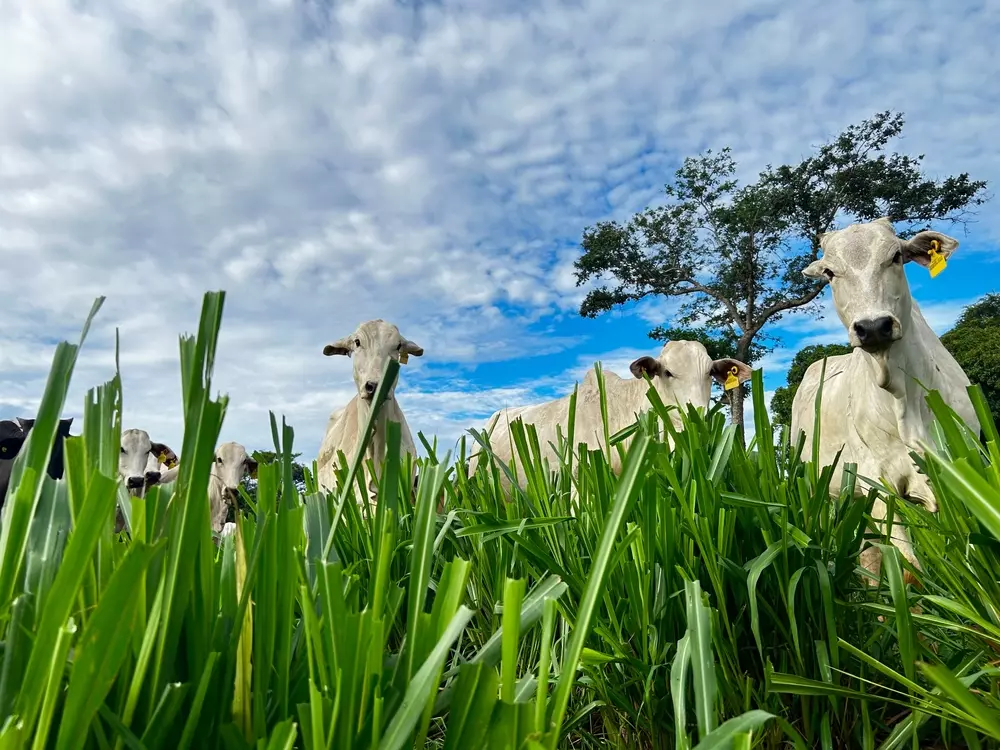
Maintaining disease-free status depends on consistent epidemiological surveillance systems, strict control of animal movements, and the ability to respond quickly to any suspected case—criteria established by WOAH through its international sanitary standards.
In this context, animal health strategies evolve from a model based on mass immunization to an integrated risk-management approach built on traceability, information sharing, and coordination across the production chain.
What Changes Going Forward
More than a technical recognition, the new status redefines Brazil’s role in the international meat market. The achievement consolidates an important sanitary advancement, strengthens global confidence, and expands access to higher-value export markets.
At the same time, it brings a new level of responsibility. Maintaining high standards of control, surveillance, and traceability is no longer a competitive advantage—it becomes a fundamental requirement for sustaining this position over the long term.
References:
Plano Estratégico do Programa Nacional de Vigilância para a Febre Aftosa