

Share


Navigate through the content:
- What soccer teaches us about fueling the body
- Carbohydrates are not the absolute priority in every workout
- Where does protein fit into this story?
- The clock also influences the outcome
When players take the field for a decisive match, preparation has already begun hours before kickoff. Nutrition plays a strategic role, but the ideal lineup must also include training, rest, hydration and even personalization.
According to experts interviewed by BBC News Brasil, athletes’ diets are designed to meet the specific demands of each sport, taking into account intensity, duration of effort and performance goals. And that logic is not just for professional athletes.
Although many people look for a one-size-fits-all pre-workout formula, science shows that nutritional needs vary according to the type of physical activity performed. What works for a player who runs, accelerates and changes direction for 90 minutes may not be the best strategy for someone who lifts weights, cycles or simply does recreational exercise.
What soccer teaches us about fueling the body
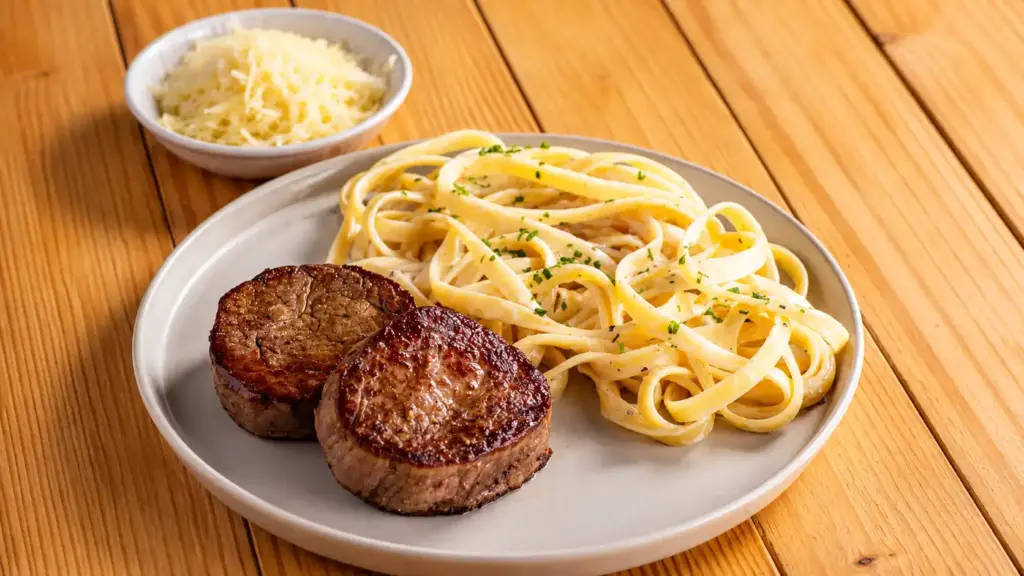
In soccer, players’ bodies must cope with bursts of intense running, deceleration and recovery throughout the match. This makes glycogen stores — in other words, the way the body stores carbohydrates — an important factor in performance.
According to a study published in Pudmed, carbohydrate intake before and during a match improves speed and the number of sprints (very high-intensity efforts performed over a short period), reduces the drop in kicking accuracy and speed, increases time to fatigue and improves cognitive function. Glucose levels drop during the first 15 minutes of the second half without affecting performance.
A review published in the journal Nutrients highlights that carbohydrate availability remains one of the main factors linked to the ability to sustain prolonged, high-intensity intermittent exercise. When energy reserves fall, physical and cognitive performance tends to decline.
That is why meals eaten before matches and training sessions often include carbohydrate-rich foods such as rice, pasta, bread, fruit and cereals. In a report by SportBuzz, nutritionists explain that the goal is to ensure energy availability without compromising athletes’ digestive comfort.
Carbohydrates are not the absolute priority in every workout

Although it is important for endurance sports or high-intensity exercise, the amount of carbohydrates needed depends on the context.
In short or lower-volume activities, such as a moderate weight-training session or a walk, the immediate need for energy supply tends to be lower. In these cases, the overall quality of the diet throughout the day usually matters more than a specific meal immediately before exercise.
That is one reason why universal recommendations should be avoided. The same meal that benefits an athlete about to play a match may be too much for someone doing a moderate-intensity activity.
Where does protein fit into this story?
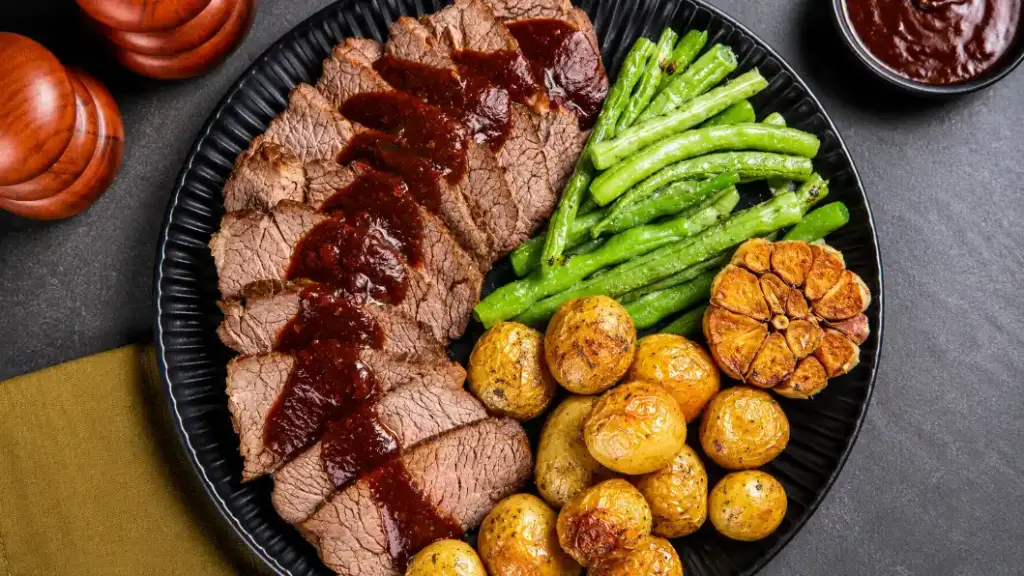
If carbohydrates usually get the spotlight when the topic is energy, proteins play another role: providing the amino acids needed for the muscle maintenance and adaptation processes triggered by exercise.
According to a study published in Pudmed, combining carbohydrates with protein after exercise also appears to offer advantages over consuming carbohydrates alone. Research suggests that this strategy may delay the onset of fatigue and reduce the perception of effort during a match, supporting both performance and muscle recovery.
The clock also influences the outcome
In addition to meal composition, the interval between eating and physical activity also deserves attention. The joint position statement of the Academy of Nutrition and Dietetics, Dietitians of Canada and the American College of Sports Medicine stresses that nutrition planning should take into account factors such as individual tolerance, workout timing and the characteristics of the sport practiced.
A full meal eaten two or three hours before training allows for a greater variety of foods. When the interval is shorter, lighter options tend to be better tolerated. Fruit, toast, bread with jam, yogurt or fruit smoothies are some examples that provide energy without overloading digestion.
This helps explain why two athletes competing in the same sport may follow different strategies. The digestive system, training routine, competition schedule and even personal preferences all influence nutrition decisions.
The main lesson from the pitch may be precisely this: pre-workout nutrition is not a ready-made recipe. It is a tool that works best when adapted to each person’s context, needs and goals.
- Contemporary Carbohydrate Nutrition in Sport
- Copa 2022: como é a dieta de um jogador de futebol?
- O que os jogadores comem antes de entrar em campo?
- Position of the Academy of Nutrition and Dietetics, Dietitians of Canada, and the American College of Sports Medicine: Nutrition and Athletic Performance
- Protein ingestion and exercise adaptations