Share


The composition of beef is determined before the meat is cut, based on factors such as genetics, diet, age, production system, and the natural distribution of muscle and fat within the animal. Cutting the meat does not change its composition; rather, it selects portions that already have distinct characteristics.
As a result, some cuts contain less visible or intramuscular fat, while others have greater marbling or a thicker external fat cover. Leaner cuts continue to provide high-quality protein, iron, zinc, and vitamin B12, but with a lower proportion of fat.
Lean red meat is beef with lower amounts of total and visible fat. This characteristic depends on the cut and on whether the visible layer is removed before preparation or consumption.
The classification does not mean that the meat is completely fat-free, since fat is part of its natural composition. In addition, a small amount may remain distributed among the muscle fibers, forming intramuscular fat, or marbling.
Composition also varies according to genetics, diet and the animal’s characteristics. Therefore, the same cut may differ in its amount of fat. Embrapa describes lean beef as a food with high nutritional density because it provides protein, B-complex vitamins and minerals such as iron and zinc.
My Minerva addresses these differences in the article Does red meat cause obesity?, which highlights the existence of cuts with lower amounts of fat within the diet.
Why is lean red meat important for health?
Even with a lower fat content, lean red meat continues to provide complete proteins, made up of all the essential amino acids. These compounds contribute to the construction, maintenance and renewal of muscles and other tissues.
The food also provides heme iron, a form of the mineral with good bioavailability; vitamin B12, which is related to blood cell formation and the nervous system; and zinc, which contributes to immunity and cell division.
Choosing lean meats can help balance protein and fat intake. However, the quality of the diet depends not only on one cut, but also on portion sizes, consumption frequency, side dishes and the cooking method.
My Minerva provides more details about this nutritional profile in the article Ten ways to maximize the benefits of beef in everyday life.
What does science say about lean red meat?
Evidence shows that lean beef can be part of balanced dietary patterns. However, the findings should be interpreted within the context of the overall diet, rather than as isolated effects of a single food.
The clinical trial Effect of varying quantities of lean beef as part of a Mediterranean-style dietary pattern evaluated different amounts of lean, unprocessed beef in a Mediterranean-style dietary pattern. The results indicated that including red meat did not cancel out the cardiometabolic benefits of the diet adopted by the participants.
Another study, Healthy Dietary Patterns with and without Meat Improved Cardiometabolic Disease Risk Factors, observed improvements in different risk factors both in a healthy vegetarian pattern and in a healthy diet that included lean beef. This reinforces the importance of the overall dietary pattern.
The Dietary Guidelines for the Brazilian Population also presents meals with meat, legumes, vegetables, grains and beans, prioritizing variety and preparations based on in natura or minimally processed foods.
Who benefits from eating lean red meat?
Lean red meat can be part of the diet of people seeking sources of complete protein and micronutrients while wishing to control the total amount of fat in their meals.
Children and adolescents use protein during growth, while physically active people need amino acids for tissue maintenance and recovery. Among older adults, adequate protein intake also helps preserve muscle mass, strength and functionality.
Women of childbearing age and pregnant women need to monitor their iron intake, while people with inadequate diets may have greater difficulty meeting their protein and micronutrient needs.
These needs do not mean that a single recommendation is appropriate for everyone. My Minerva explores the subject in greater depth in the article The importance of meat, especially for women, pregnant women, children and older adults.
How can lean red meat be included in the diet?
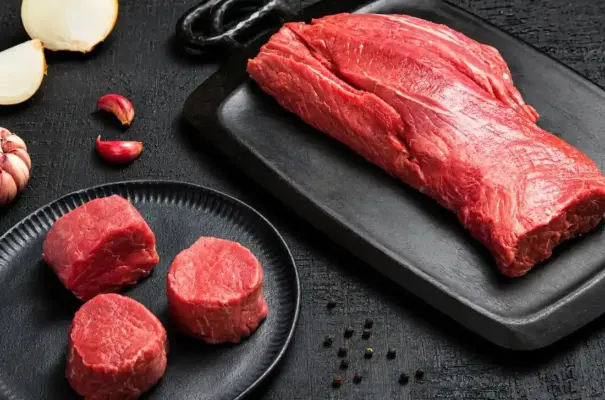
Topside, eye of round, top round, bottom round, shank and rump with no visible fat are among the cuts often chosen for preparations with lower amounts of fat. However, composition may vary, and removing visible fat helps reduce the amount present in the meal.
The cooking method also affects the result. Boiled, roasted or stewed recipes make it possible to prepare the meat without adding large amounts of oil. Frying, fatty sauces and other ingredients, on the other hand, can increase the energy content even when a lean cut is used.
Meat can be combined with rice, beans, legumes and vegetables, creating a meal with protein, fiber, carbohydrates, vitamins and minerals. Varying cuts, preparations and protein sources also contributes to a diverse diet.
For people with specific needs, such as fat control, cardiovascular disease or metabolic disorders, the amount and frequency should be determined with professional guidance.
Myths and facts about lean red meat
All red meat contains the same amount of fat
Myth. The amount varies according to the cut, the animal, the presence of visible fat and the level of marbling. Therefore, it is not correct to attribute the same composition to all beef.
Lean red meat still provides complete protein
Fact. Removing fat or having less fat does not eliminate the food’s protein. Lean cuts continue to provide all nine essential amino acids. My Minerva explains these characteristics in its article on the quality and digestibility of red meat protein.
Removing visible fat reduces the amount of fat
Fact. Removing the visible layer before preparation or consumption can reduce the total fat in a serving. However, intramuscular fat remains distributed throughout the tissue and cannot be removed in the same way.
Lean red meat contains no fat
Myth. The term “lean” indicates a lower amount, not a complete absence. Even cuts with little visible fat may contain small amounts of intramuscular fat.
Lean meat can be eaten without limits
Myth. The amount should take individual needs and the overall diet into account. Being lean does not mean that meat should occupy the entire plate or replace legumes, vegetables, beans and other sources of nutrients.
Lean red meat provides only protein
Myth. In addition to complete protein, it provides heme iron, zinc, vitamin B12 and other nutrients. The exact composition, however, varies according to the cut and preparation.
- The importance of meat for women, pregnant women, children and older adults
- Does red meat cause obesity?
- Ten ways to maximize the benefits of beef
- Effect of varying quantities of lean beef as part of a Mediterranean-style dietary pattern
- Dietary Guidelines for the Brazilian Population
- Healthy Dietary Patterns with and without Meat Improved Cardiometabolic Disease Risk Factors
- Myths and facts about beef consumption