Share


Can cattle considered first-rate have part of their carcass classified as second-rate beef? This question highlights a contradiction that has shaped the way beef has been classified and consumed in Brazil for decades. While cuts such as picanha, tenderloin, and striploin have traditionally been associated with so-called first-rate beef, cuts such as chuck, shoulder, brisket, and shank have been placed on the other side of this divide.
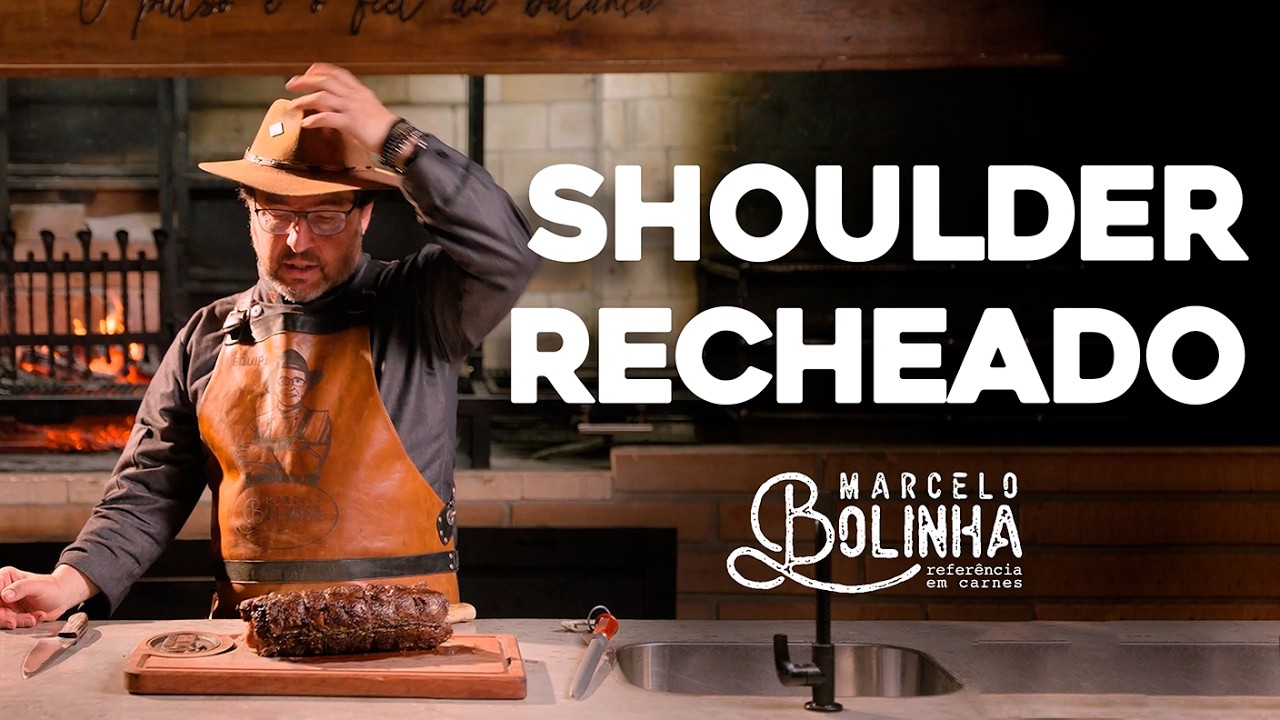
That boundary, however, is being redrawn. Traditionally less-valued cuts have gained ground on the grill and in gastronomy, while new deboning and presentation methods have begun to explore muscles that were once sold as part of larger cuts. “There is no second-grade beef in a first-grade steer,” sums up butcher and pitmaster Marcelo Bolinha, former owner of the traditional Açougue do Bola in Porto Alegre, Rio Grande do Sul, and currently head of Marcelo Bolinha Carnes. “Even the neck or a muscle, which are tough cuts, will become tender depending on how they are prepared,” he continues.
According to the specialist, fibers, fat, texture and muscle structure vary from one cut to another and determine how each piece responds to heat. The difference, therefore, lies less in a hierarchy between better and worse meats and more in the characteristics of each cut and how it is used.
Forequarter gains ground
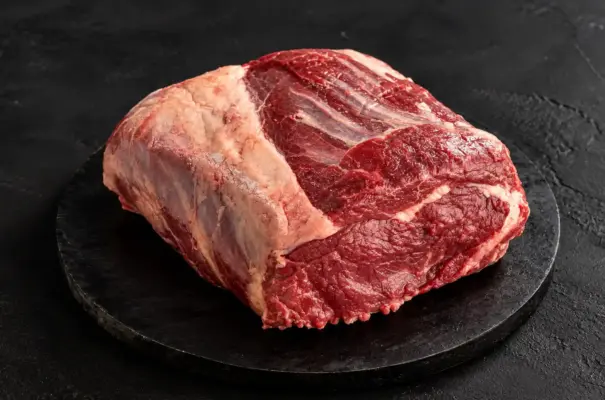
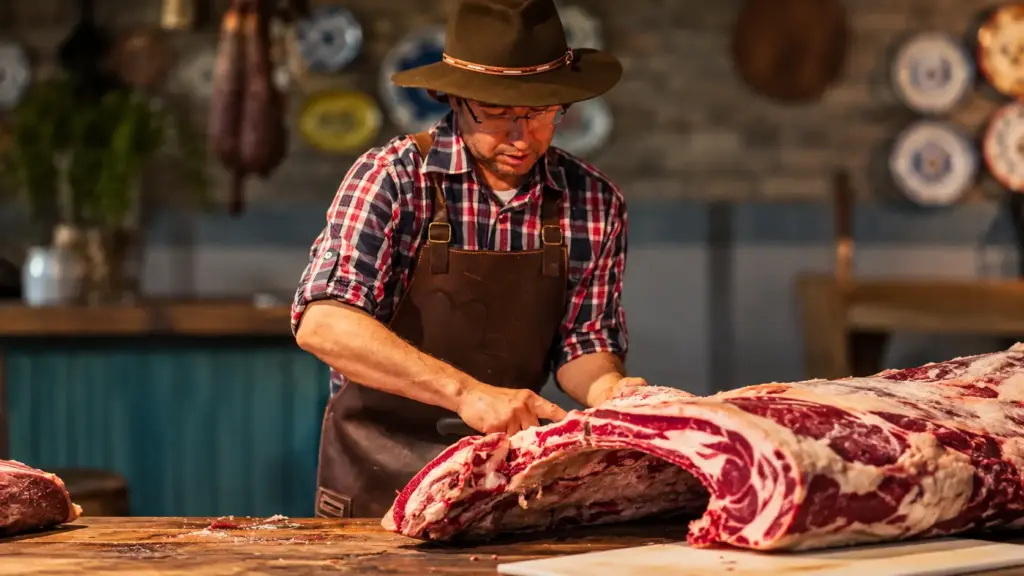
Part of this change involves making better use of the beef forequarter. Deboning makes it possible to separate muscles with distinct characteristics from larger cuts and find new uses for pieces that, for a long time, had lower commercial value.
Bolinha cites the shoulder as an example. Muscles once sold as part of a larger cut began to be separated and presented to consumers as specific cuts, as in the so-called “shoulder picanha.” The center of the chuck is another piece he highlights for its potential on the grill. “The cuts were already there. We just made them without a name,” he recalls.
Brisket followed a similar path. Traditionally associated with longer cooking methods, it has also gained ground through techniques such as smoking and slow roasting. Ribs and other forequarter cuts went through the same process of gaining value.
Preparation changes the result
The differences between cuts become most apparent over the fire. Naturally tender pieces may respond well to high temperatures and short cooking times. Others, with firmer fibers or a higher amount of connective tissue, need more time and different techniques to reach the desired texture.
Bolinha’s own experience is a practical example. In a preparation using the raquete, a cut taken from the shoulder, he says he removed the nerve running through the piece, opened up the meat and prepared a stuffed version.
The example shows how understanding a cut’s structure can change the way it is used. Rather than discarding a piece because it is known to be tougher, technique makes it possible to work with its characteristics and find other ways to bring it to the table.
This knowledge also broadens purchasing options. Shoulder, brisket, chuck, shank and ribs can be chosen for their flavor, texture and the type of dish one intends to prepare, rather than simply because they cost less than traditionally more highly valued cuts.
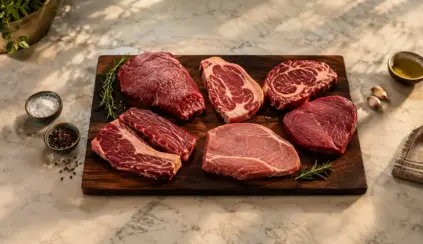
To learn about the characteristics of the main cuts and find out which ones work best on the grill, in a skillet, in the oven or in long cooking preparations, also see: From grill to pot: how to choose the best beef cuts.
First- or second-grade?
The growing appreciation of new cuts has not sidelined picanha, filet mignon or strip steak, nor erased the differences between parts of the carcass. What has changed is the space given to pieces that once had more limited uses or less prestige.
For Bolinha, this knowledge should also reach consumers at the time of purchase. The person behind the counter needs to understand the characteristics of the meat, explain its possibilities and provide guidance on preparation, as well as on the impact of the raw material and the cut’s characteristics. It is in this combination that Bolinha’s provocation resonates: in a good animal, there are different cuts, with different uses and characteristics. Not necessarily better and worse meats.