Share


Believe it or not: the amount of nutrients on your plate is not the only thing you need to know. It is also important to understand how your body is able to absorb them. According to science, the classic phrase “you are what you eat” requires a subtle adjustment: “you are what you absorb.”
Eating a colorful plate full of nutrients is excellent, but the journey before those nutrients actually reach the cells is long and filled with obstacles. This is precisely where the concept of bioavailability comes in.
Athletes focused on high performance, people concerned with longevity, or anyone simply looking for a little more energy throughout the day can benefit from understanding how, during this metabolic journey, different foods are used by the body and why beef and other animal proteins stand out for certain nutrients.
What is bioavailability?
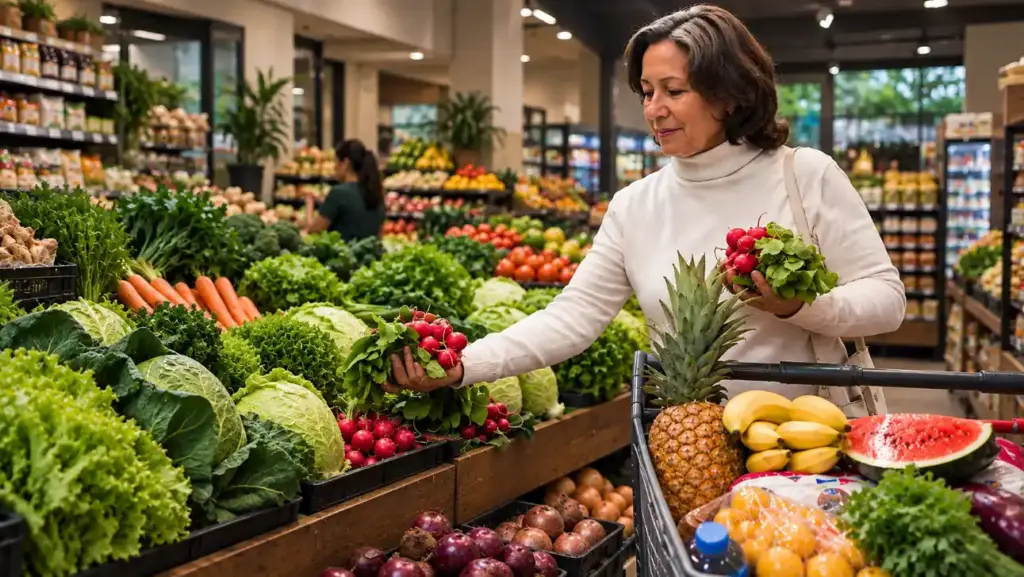
Simply put, bioavailability is the fraction of a nutrient that becomes available for absorption by the digestive tract and can be used by the body in its biological and vital functions.
This is because not every nutrient is used by the body in the same way. Chemical components in the food itself, or the way it is prepared, can often reduce its absorption. This is the case with so-called “antinutrients,” natural substances found in some foods that can hinder the utilization of certain minerals. They include phytates, compounds found mainly in grains, seeds and legumes, and oxalates, found in vegetables such as spinach. These substances can bind to minerals such as iron and calcium in the intestine, reducing their absorption, according to a study published by the Revista de Nutrição.
For this reason, focusing solely and exclusively on food nutrition tables can be a trap. The amount of a nutrient present in food does not, by itself, reveal how much of it will be available to be absorbed and used by the body.
In practice, bioavailability varies according to the nutrient, the food source and the way the body is able to absorb and use it. Protein, iron, vitamin B12 and zinc help show how these differences appear in everyday eating.
Beef protein: high digestibility and bioavailability
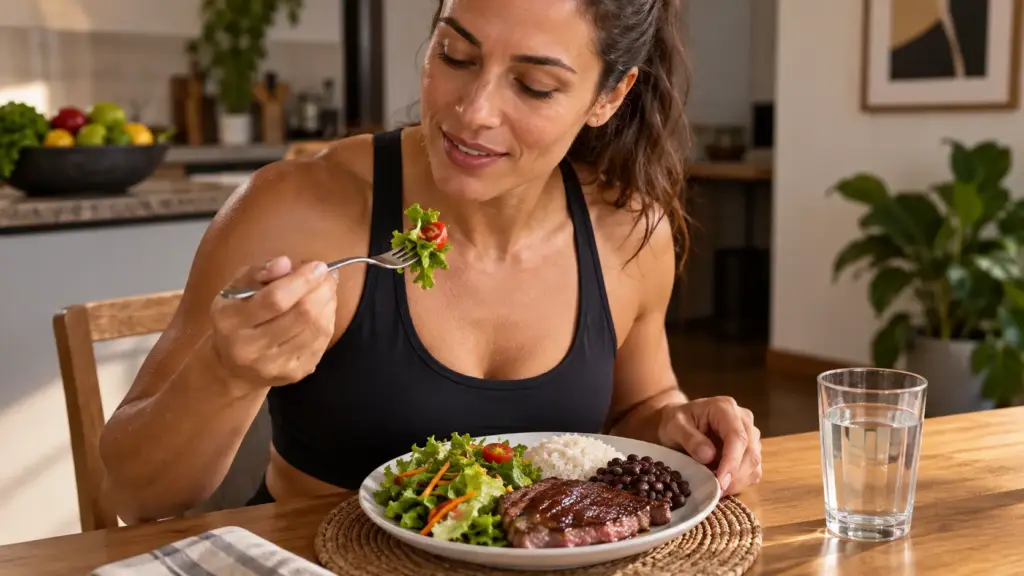
Beef is a good example of how nutrient bioavailability affects the way food is utilized. In the case of protein, it combines high digestibility with a complete profile of essential amino acids — those the body does not produce and needs to obtain from food. According to a study published in the journal Animal and highlighted by the My Minerva Foods portal, the degree of protein bioavailability and digestibility is 94% for beef, 86% for whole wheat, and 78% for beans and lentils.
The difference is also related to the structure of the foods. Plant sources may contain fiber and antinutrients that interfere with the utilization of certain nutrients. Therefore, to obtain an equivalent protein supply, it may be necessary to combine different plant foods and, depending on the source, consume larger portions. This protein quality is especially relevant to processes such as muscle building, tissue regeneration and hormone production.
Heme iron: superior absorption
The higher bioavailability of beef is not limited to protein. Iron is another important example of how the chemical form of a nutrient affects how much the body can use. This point is especially relevant because iron-deficiency anemia is among the most common nutritional deficiencies in the world.
There are two types of iron found in foods:
- Heme iron: found in animal-based foods such as beef, pork, poultry and fish. It is absorbed more efficiently by the body, at rates ranging from 15% to 35%.
- Non-heme iron: present in vegetables such as beans, spinach and dark leafy greens. Its absorption is more difficult and unstable, ranging from just 2% to 20%. This type of iron is also more strongly affected by other compounds in the meal.
In addition to providing heme iron, meat can also promote the utilization of non-heme iron present in vegetables eaten in the same meal. This phenomenon is known as the meat factor, or the “meat effect.” A study published by the American Society for Nutrition shows that the presence of meats such as beef, pork, lamb, poultry and fish increased the absorption of non-heme iron by two to four times in a meal with low availability of this mineral.
Vitamin B12 and zinc: concentration and bioavailability
Another important point when discussing bioavailability concerns vitamin B12, also known as cobalamin. Essential for the functioning of the nervous system and the proper formation of blood cells, this vitamin is produced by certain microorganisms and reaches animal-based foods along the food chain. Its deficiency can lead, among other changes, to megaloblastic anemia.
Although poultry such as chicken also provides vitamin B12, red meat — and especially liver — contains significantly higher concentrations of this nutrient, as shown in the table below. While the values are approximate and may vary according to the food and the analytical method, the table helps illustrate these differences in concentration:
| Food | Vitamin B12 content – µg (micrograms) |
| Liver | 26 to 58 µg/100 g |
| Red meat (beef and lamb) | 1 to 3 µg/100 g |
| Chicken | Small amounts |
| Dairy products | 0.3 to 2.4 µg/100 g |
| Eggs | 1 to 2.5 µg/100 g |
Source: Australian Wagyu Association
The table values show how much vitamin B12 is present in 100 g of each food, but not how much of this vitamin will actually be absorbed and used by the body. This utilization varies according to the food source and the amount consumed.
In some studies, for example, the bioavailability of B12 from eggs was below 9%, while significantly higher rates, frequently above 50%, were observed in different types of meat. It is precisely this combination of the nutrient’s presence and the body’s ability to use it that helps explain the relevance of meat as a source of vitamin B12.
Liver deserves special consideration: it contains very high concentrations of cobalamin, although the proportion absorbed may decrease when large amounts of the vitamin are consumed at once, due to the limited capacity of the intestinal mechanism responsible for its absorption.
With regard to zinc, meat also has a bioavailability advantage. A study published by the Revista de Nutrição de Campinas (SP) points out that the presence of phytates, common in diets based on grains and soy, severely compromises the bioavailability of zinc in the intestine. Red meat, in turn, provides the mineral without these compounds, promoting its utilization by the body.
How can you increase nutrient bioavailability?
Understanding how nutrient absorption is influenced by the composition of meals makes it possible to make more strategic choices at the table. Some combinations and habits can promote this utilization:
- Combine meat with sources of vitamin C: eating a beef steak accompanied by vegetables rich in vitamin C, such as bell peppers and broccoli, or seasoned with lemon, may particularly promote the absorption of non-heme iron present in the other foods in the meal;
- Avoid coffee or black tea immediately after meals: the polyphenols in these beverages may reduce the absorption of non-heme iron. Wait at least an hour after lunch before having that cup of coffee;
- Vary your animal protein sources: beef, pork, poultry, fish and eggs have different nutritional profiles. Alternating among them helps diversify the supply of protein, vitamins, minerals and different types of fat in the diet.
- Environmental Sciences, Faculty of Agriculture, Tottori University, Tottori 680-8553, Japan
- Effect of Interaction of Various Foods on Iron Absorption – LAYRISSE MIGUEL, MARTÍNEZ-TORRES CARLOS , ROCHE MARCEL
- Ferro não é tudo igual! – My Minerva
- Mineral bioavailability in vegetarian and omnivorous meals served in a university restaurant – Egle Machado de Almeida SIQUEIRA Juliana Frossard Ribeiro MENDES Sandra Fernandes ARRUDA
- Qualidade e digestibilidade da proteína da carne vermelha são maiores em relação aos vegetais, diz estudo – My Minerva
- The Effect of the Meat Factor in Animal-Source Foods on Micronutrient Absorption: A Scoping Review
- Vitamin B12 Sources and Bioavailability – FUMIO WATANABE1 School of Agricultural, Biological and
- When it comes to vitamin B12, red meat tops the charts.