


Share


Among weight-training practitioners and endurance athletes (runners, cyclists, triathletes and swimmers), it is common to associate training volume with progress: the more sessions, intensity and days per week, the greater the gains would be. However, the physiological response to exercise contradicts this view. Now let’s understand what the best balance is between training volume and the conditions needed to truly improve.
Training works as a stimulus that produces an adaptation, which is the set of biological adjustments that make the body better able to repeat that effort. This is how strength gains occur. Endurance and muscle mass gains come later, during recovery. Without sufficient time and resources for this phase, the accumulation of training load tends to stabilize performance or even reduce it, despite frequent and intense training.
This recovery is supported by three areas that tend to receive less attention than the training plan: nutrition, sleep and rest. It is during this interval that the body repairs muscle tissue, replenishes energy stores and consolidates the adaptations induced by exercise.
In the following sections, you will also find the signs to recognize when training has gone too far and recovery has fallen behind, as well as practical guidance for training better.
Training is the stimulus; adaptation comes later
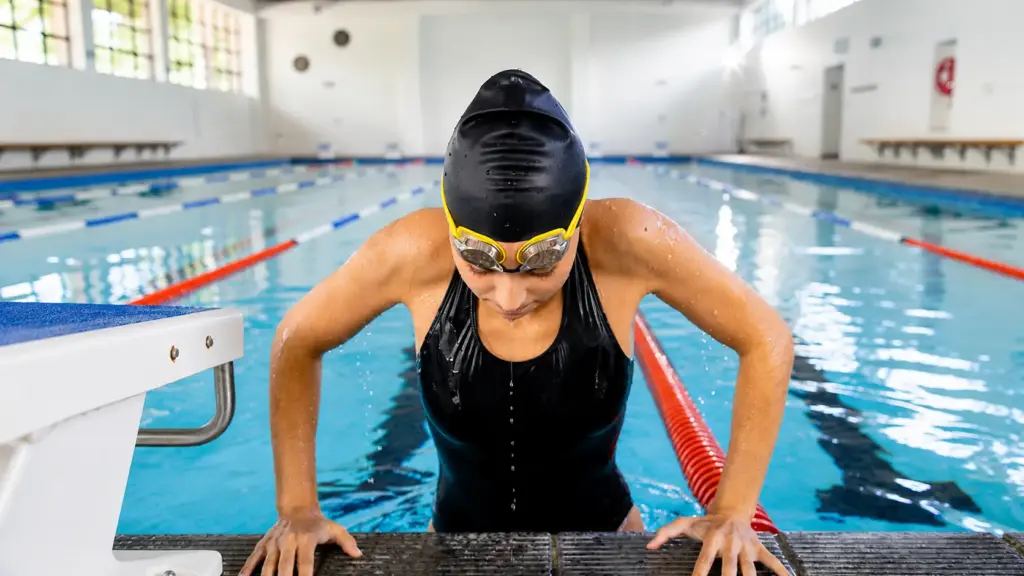
Immediately after an intense session, the body undergoes a temporary decline in capacity. Strength and endurance exercise cause microdamage to muscle fibers, deplete part of the glycogen stores and trigger metabolic stress and localized inflammation. These responses are the physiological trigger for adaptation, not a side effect to be avoided.
Tissue repair takes place in the hours and days that follow. When recovery is sufficient, the body rebuilds muscle structure slightly above its previous level, in a process known as supercompensation. It depends on three conditions: time, nutritional building blocks and rest. If a new stimulus arrives before the cycle is complete, what accumulates is fatigue, not gain.
The consensus statement from the European College of Sport Science and the American College of Sports Medicine summarizes the principle in an interesting way: effective training combines overload with adequate recovery, and fails when it combines overload with insufficient recovery.
When “more” becomes less: overreaching and overtraining
The body can tolerate short periods of intense training with reduced recovery. This phase is called functional overreaching and is even used deliberately in training blocks, in which load is accumulated over several days, performance temporarily declines and, after a period of rest, returns above the initial level.
The problem arises when the imbalance between load and recovery continues for too long. In this scenario, nonfunctional overreaching sets in, with a persistent decline in performance and recovery taking weeks to months. At the extreme end of the spectrum is overtraining syndrome, a prolonged maladaptation that compromises the hormonal, immune and neurological systems, affects mood and can take months to years to reverse.
An important caveat is necessary: overtraining syndrome is rare and is concentrated primarily among elite athletes. For those who train recreationally or at an amateur level, the predominant risk is not excessive training in the technical sense, but insufficient recovery. Inadequate sleep, food intake below one’s needs and everyday stress add to the exercise load, and the outcome is similar: stagnant performance, persistent fatigue, changes in mood and sleep, and a greater propensity for injuries.
Sleep: the main recovery window

If I could choose a single recovery variable for people to take seriously, it would be sleep. During deep sleep, the body releases growth hormone, intensifies tissue repair and protein synthesis, and replenishes the muscle glycogen used during training.
Sleeping too little reverses this process. Sleep deprivation increases cortisol, reduces anabolic hormones such as testosterone and GH, raises inflammatory markers such as IL-6 and impairs energy replenishment. Less sleep combined with a greater training load is also associated with a higher risk of muscle injury.
The good news is that the opposite pathway works. Extending sleep improves performance, pain sensitivity and the anabolic response involving GH/IGF-1. The classic study of collegiate basketball players showed that increasing time in bed to approximately 10 hours for several weeks improved sprint speed, shooting accuracy and reaction time.
The practical recommendation for people who train hard is 7 to 9 hours per night, tending toward the upper end as the training load increases. Sleep should not be considered a luxury, but rather part of training.
Nutrition: building blocks for reconstruction
Exercise creates the demand for adaptation, but nutrition provides the substrates used in this process. Without an adequate supply of protein and energy, the capacity for repair and supercompensation is limited, regardless of the quality of the training.
Protein
For gaining and maintaining muscle mass, the International Society of Sports Nutrition recommends a daily intake of 1.4 to 2.0 g of protein per kilogram of body weight for most people who train. Distribution throughout the day carries similar importance to the total amount. Doses of 0.25 to 0.40 g/kg per meal, equivalent to approximately 20 to 40 g from a high-quality source, consumed every 3 to 4 hours, optimize muscle protein synthesis more efficiently than concentrating most of the intake in a single meal. The presence of leucine, an essential amino acid, helps trigger this stimulus.
Carbohydrates
After long or intense sessions, muscle glycogen stores are reduced, and replenishing them determines the quality of the next workout. Diets with an adequate carbohydrate intake, in the range of 8 to 12 g/kg/day for athletes with high training volumes, maximize these stores. Severely restricting carbohydrates during periods of intense training promotes the accumulation of fatigue.
Beef
It is a complete protein source, containing all the essential amino acids and a significant amount of leucine, which makes it effective for supporting muscle recovery. It also provides nutrients directly linked to performance and regeneration, such as highly bioavailable heme iron, creatine, zinc and vitamin B12. No single food meets the entire demand, but a good protein source on the plate covers a significant part of this equation without relying on supplementation.
There is also an interaction between nutrition and sleep that often goes unnoticed. Consuming 30 to 40 g of a slow-digesting protein, such as the casein found in milk, before bed increases protein synthesis throughout the night, taking advantage of the period when repair processes intensify. In other words, a slow-digesting food releases amino acids gradually, maintaining the supply of building blocks for the muscles during the hours of sleep, when there are no new meals.
The role of nutrition also becomes evident in the opposite scenario. A review devoted to overtraining syndrome identifies insufficient energy and nutrient intake as one of the factors contributing to maladaptation to training. A dietary deficit combined with a high exercise load compromises performance instead of sustaining it.
How to tell whether you are training too much and recovering too little
There is no single blood test that definitively diagnoses excessive training. The picture emerges by looking at the overall pattern over time. Some signs that deserve attention include:
- Performance stagnating or declining despite maintaining or increasing effort;
- Fatigue that does not go away after a night’s sleep;
- Persistent muscle soreness between sessions;
- A resting heart rate higher than your normal level;
- Worse sleep, irritability and declining motivation;
- The feeling that your usual workout has become much harder.
The most reliable parameter is your own trend over the weeks, not the value recorded on a particular day. When the overall curve points downward and the signs above accumulate, the solution rarely lies in training more. It lies in recovering better.
Training better in practice
Training better means planning recovery with the same care used to plan the training load. Some principles that support this approach include:
- Schedule rest days and lighter weeks deliberately. Rest is part of periodization, not a failure of discipline.
- Treat sleep like training. Get 7 to 9 hours, with a consistent routine and good sleep hygiene, especially after heavy or late-night sessions.
- Distribute protein throughout the day, not only after training. Include complete sources at each main meal.
- Do not cut energy intake while increasing the load. Consume enough carbohydrates to replenish glycogen.
- Adjust training to your actual recovery status, not to what was written in the plan three weeks ago.
Increasing volume only translates into gains when recovery is sufficient to transform the stimulus into adaptation. Training determines the demand; sleep, nutrition and rest determine how much of that demand the body can absorb and return in the form of performance.
References:
Bird SP. Sleep, Recovery, and Athletic Performance: A Brief Review and Recommendations. Strength Cond J. 2013;35(5):43-47.
Chennaoui M, Vanneau T, Trignol A, et al. How does sleep help recovery from exercise-induced muscle injuries? J Sci Med Sport. 2021;24(10):982-987. PMID: 34074604.
Fiala O, Hanzlova M, Borska L, et al. Beyond physical exhaustion: Understanding overtraining syndrome through the lens of molecular mechanisms and clinical manifestation. Sports Med Health Sci. 2025;7(4):237-248.
Jäger R, Kerksick CM, Campbell BI, et al. International Society of Sports Nutrition Position Stand: protein and exercise. J Int Soc Sports Nutr. 2017;14:20. PMID: 28642676.
Kerksick CM, Arent S, Schoenfeld BJ, et al. International Society of Sports Nutrition position stand: nutrient timing. J Int Soc Sports Nutr. 2017;14:33. PMID: 28919842.
la Torre ME, Monda A, Messina A, et al. The Potential Role of Nutrition in Overtraining Syndrome: A Narrative Review. Nutrients. 2023;15(23):4916. PMID: 38068774.
Mah CD, Mah KE, Kezirian EJ, Dement WC. The effects of sleep extension on the athletic performance of collegiate basketball players. Sleep. 2011;34(7):943-950. PMID: 21731144.
Meeusen R, Duclos M, Foster C, et al. Prevention, diagnosis, and treatment of the overtraining syndrome: joint consensus statement of the European College of Sport Science and the American College of Sports Medicine. Med Sci Sports Exerc. 2013;45(1):186-205. PMID: 23247672.