Share


Science has already shown that protein-rich meals tend to promote greater satiety than those with a higher proportion of carbohydrates. What was still unclear was how the hormones involved in this process respond to different amounts of protein. To investigate this relationship, researchers at the University of Copenhagen in Denmark conducted a clinical trial that evaluated the response of gastrointestinal hormones associated with satiety after the consumption of different doses of protein.
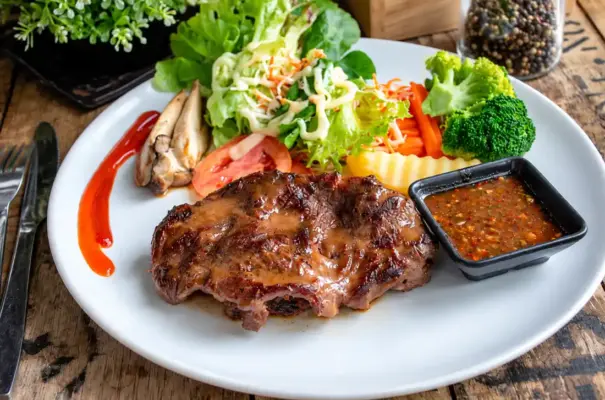
In the study, volunteers consumed three meals with the same calorie content (pork pâtés with rice and mushrooms, accompanied by controlled amounts of fat and fiber). The only difference between the dishes was the proportion of animal protein: normal (14%), medium-high (25%) and high (50%). Every 30 minutes for four hours, the scientists analyzed the participants’ blood and administered appetite questionnaires.
More protein increased satiety signals in the body
During the four hours after the meals, the researchers observed that increasing the amount of protein caused changes in different hormones involved in controlling hunger, satiety and the body’s use of energy. The meal with the highest protein content also altered the response of glucose and other hormones linked to metabolism. When 50% of the calories came from protein, the meal resulted in smaller increases in glucose (the sugar present in the blood), insulin and GIP, an intestinal hormone involved in glucose control by stimulating the release of insulin. Insulin, in turn, is the hormone that enables glucose to be used by cells as an energy source.
Ghrelin, a hormone associated with stimulating hunger, behaved differently. Normally, its levels fall after eating. Between 30 and 150 minutes after the meal, this decline was smaller when 50% of the calories came from protein. Despite this seemingly contradictory result, the overall hormonal responses were accompanied by greater satiety and less hunger reported by the participants.
The impact on the sensation of hunger
The differences also appeared in the participants’ perceptions. The greater the amount of protein in the meal, the greater their feelings of satiety and fullness.
Compared with the meal containing 14% protein, which was used as the reference in the study, the meal with 25% increased satiety by 7% and the feeling of fullness by 6%. With 50% protein, these increases reached 16% and 19%, respectively.
Hunger followed the opposite pattern: it was 15% lower after the meal with 25% protein and 25% lower after the one with 50%. In the latter case, the peak hunger recorded during the analyzed period was also 56% lower than after the reference meal.
Between three and four hours after the meal, the researchers also observed an increase in CCK (cholecystokinin) in the group that consumed more protein. This hormone is released by the digestive system after eating and contributes to the satiety signals sent to the brain.
According to the researchers, these hormonal changes may help explain, at least in part, why meals higher in protein tend to increase satiety.